


Table of Contents
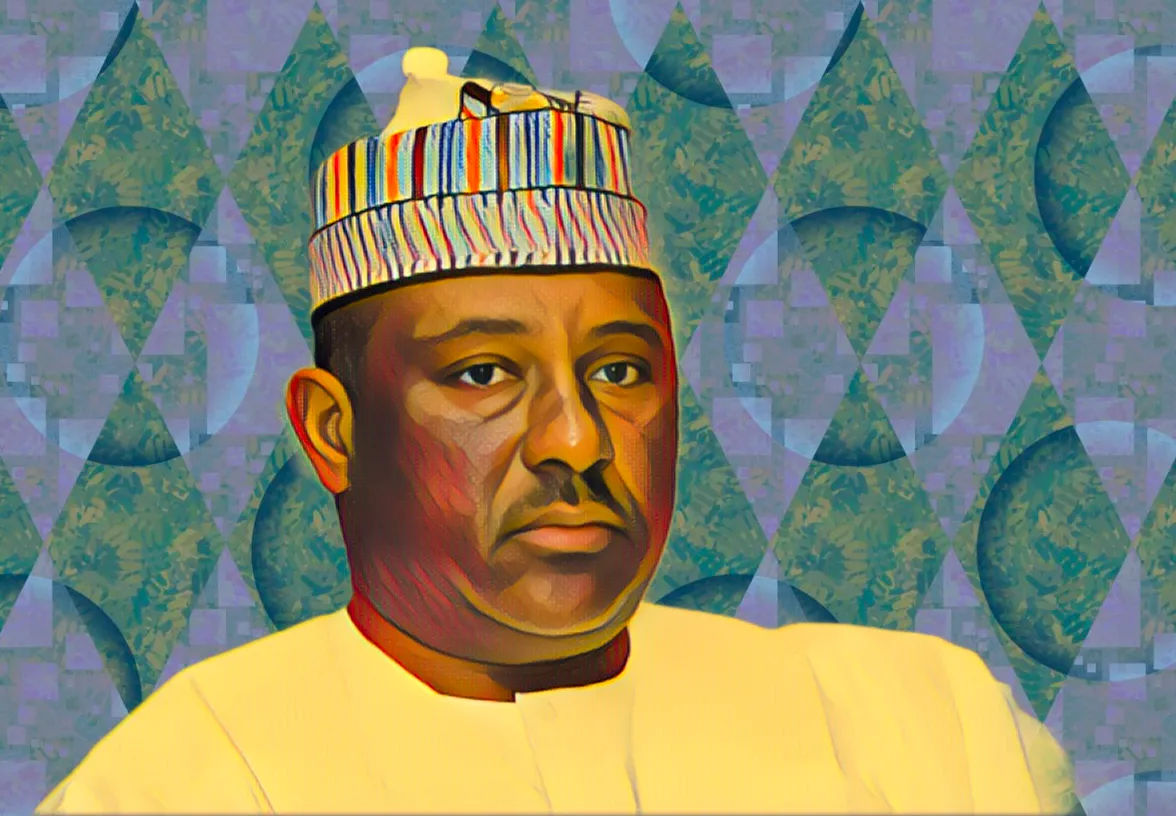
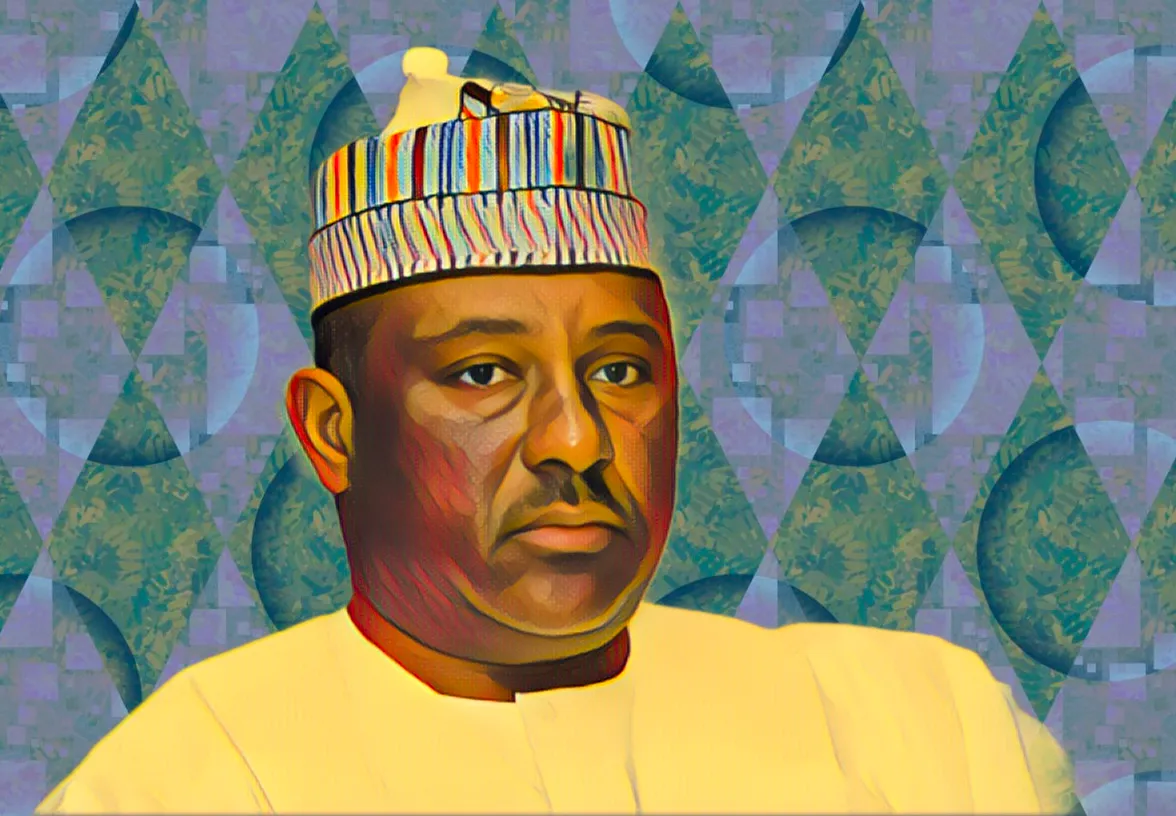
Kola Karim has watched Nigeria squander oil booms before. He is not in the mood to watch it squander this one.
The chairman of Shoreline Group, one of Nigeria's better-known indigenous energy companies, used a recent televised appearance to deliver a message that was more impatient than inspirational: Nigeria has the resource base to be a globally dominant oil and gas supplier, and the window to act is open right now, not at some future moment when the country's chronic production problems have been tidied up.
"Nigeria needs to continue developing its natural resources to step into the role of a key player during global supply gaps," Karim said, framing the argument around near-term opportunity rather than long-term aspiration.
The timing was deliberate. Conflict between the United States, Israel and Iran has effectively shut down commercial shipping through the Strait of Hormuz, the narrow waterway through which roughly one-fifth of globally traded oil passes every day. Tankers have reversed course. Insurers have withdrawn war-risk coverage. Buyers who depend on Persian Gulf barrels are suddenly looking very hard at who else can supply them, and at what cost.
Karim's pitch is that Nigeria should be the answer to that question, and keeps failing to be.
The production numbers are stubborn. Nigeria was pumping approximately 1.46 million barrels per day as of January 2026, a figure that reflects years of partial recovery from pipeline theft, underinvestment and the turbulence that followed when Shell, Total and other majors sold down their onshore Nigerian positions. The ceiling, by most serious estimates, is materially higher. The gap between what Nigeria produces and what it could produce has been a permanent feature of its oil sector for so long that some analysts have stopped treating it as a near-term variable.
Karim's argument is essentially that scale is the fix. Greater investment, cleaner regulations and industrialized operations can convert Nigeria from a country that repeatedly misses its own targets into one that global buyers can actually count on. It is a case he has been making for some time. What has changed is the context around it.
His ambitions extend beyond crude. Karim has argued consistently that Nigeria's gas reserves represent an underused asset that could generate far more value if commercialized properly. Shoreline has explored mini LNG plants and integration into the West African gas pipeline as routes to monetization. The urgency around gas has sharpened as European buyers who were already diversifying away from Russian supply have found themselves facing new disruptions, and as power-starved economies across West Africa continue to look to Nigeria for energy they cannot generate reliably at home.
On the refining side, Karim has pointed to the Dangote facility as a structural shift in Nigeria's position. The refinery, which hit its 650,000-barrel-per-day nameplate capacity in February 2026 and is already exporting diesel and jet fuel to neighbors including Ghana and Cameroon, begins to address the absurdity that defined Nigeria for decades: Africa's largest crude producer exporting raw oil only to buy back refined products at a premium. That model drained foreign reserves and gave Nigeria none of the downstream value its resource base should have generated.
Karim has also tried to make a broader argument about what Nigerian companies are capable of. Shoreline moved earlier this year to acquire producing oil assets in the United States, an unusual step for an indigenous Nigerian independent, and one Karim described publicly as a bid to demonstrate that African energy companies can operate on the global stage rather than remain permanently regional. The framing matters to him. He has spent years pushing back against the assumption that local competence stops at the border.
The credibility problem is real and Karim knows it. Nigeria has announced production targets with some regularity and hit them with considerably less. Theft, vandalism, regulatory uncertainty and slow-moving investment decisions have combined to keep output chronically below where it should be, and the history makes some observers skeptical of dominant-player ambitions when the basics remain unresolved.
His answer to that skepticism is essentially the same answer he has given before: that the cure for Nigeria's production problems is not caution but commitment, that clearer rules and larger investment flows can industrialize operations in a way that makes theft and disruption harder to sustain at scale.
The underlying strategic bet he is making is one shared by most serious oil executives who have not fully drunk from the energy transition cup: that hydrocarbon demand will not fall fast enough to make reliable producers irrelevant, and that the countries which can deliver barrels and gas molecules consistently, at competitive cost, with governance that investors can price, will capture an outsized share of whatever market remains. Nigeria, in Karim's telling, has the raw material to be one of those countries. What it has lacked is the urgency to act like it.
That urgency, at least, appears to be available now.