

Table of Contents
One of Kenya's most storied business dynasties is ready to let outsiders in.
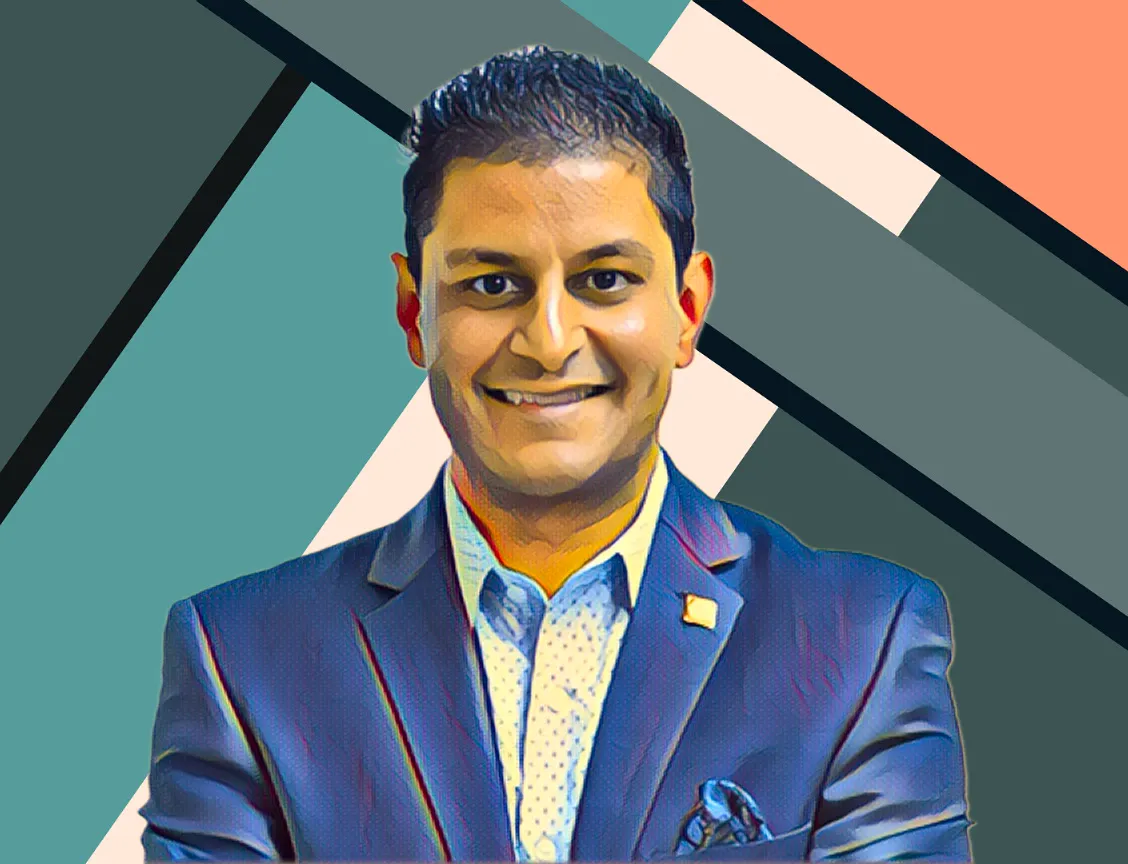
Darshan Chandaria, the chief executive of Chandaria Industries Ltd., said he is setting up a family office to sharpen the conglomerate's governance and open a formal investment channel into the group's sprawling portfolio of businesses. The move signals a significant shift in how the family, which has run its empire quietly from Nairobi for more than six decades, intends to grow in the years ahead.
Chandaria Industries is not a company most people outside East Africa would immediately recognize, but its products are in virtually every home and office across the region. The group is the largest manufacturer of tissue and hygiene products in East and Central Africa, turning out everything from toilet paper and serviettes to feminine hygiene products and cotton wool under brands like Velvex, Nice and Soft and Toilex. Annual revenues were estimated at roughly $486 million in 2025. Beyond manufacturing, the group has planted its flag in real estate, venture capital, insurance, banking and solar energy.
The family office, Darshan said, is designed to do two things at once: tighten internal governance across a business that has grown considerably more complex over the decades, and create a structured pathway for outside capital to come in. The group's various divisions, Darshan confirmed, include hygiene manufacturing, real estate and financing.
It is a model that Kenya's wealthiest families are increasingly looking at as their empires mature and the question of what comes next becomes harder to ignore. Family offices give multigenerational businesses a professional wrapper around decision-making and succession, while also making it easier to bring in institutional partners who might be put off by the informality that often characterizes family-run operations.
The Chandaria story itself is a version of the larger narrative of Asian immigrant families who helped build modern East Africa. The group traces its roots to 1964, when the family started a small tissue converting operation in Nairobi. Darshan's grandfather had arrived from the Indian province of Gujarat decades earlier, part of a wave of South Asian migrants drawn to East Africa during the British colonial era. What began as a single roll of paper being converted into tissue has grown into a conglomerate with operations in Kenya, Tanzania, Uganda, India, the UAE and the United Kingdom, employing more than 3,000 people directly and supporting tens of thousands more through its paper recycling supply chain.
Darshan, who holds a business degree from Cardiff University and completed Harvard Business School's Senior Executive Program, took over as group CEO and has spent the past decade pushing the business into new territory. He founded Chandaria Capital in 2017, a Nairobi-based venture capital fund that now has more than 15 portfolio companies across Africa and beyond. He has backed startups in logistics, fintech and e-commerce, betting that the next generation of African economic growth will run through technology.
The family office being built around Chandaria Industries is distinct from that venture capital arm but reflects a similar instinct: a recognition that a business of this scale needs formal structures if it is going to attract the kind of institutional partners and governance standards that global investors expect.
Africa's family office sector is still relatively small compared to what exists in Europe, the Middle East or Asia, but it is growing fast. Industry analysts have estimated that the number of formal family offices on the continent could double within the next decade, driven by a new generation of business leaders who trained internationally, watched how sophisticated capital works elsewhere, and are now applying those lessons at home.
Chandaria is hardly the only Kenyan conglomerate grappling with these questions. But the family's willingness to announce a formal investor gateway is a signal of where African business is heading: toward greater transparency, professional governance and a genuine appetite to bring in outside capital on structured terms rather than on family-only handshakes.
Whether the family office ultimately leads to an IPO, a private equity partnership or simply a better-organized balance sheet remains to be seen. What is clear is that Darshan Chandaria is not content to run the business the way his grandfather left it.