


Table of Contents
African Rainbow Minerals delivered a sharp turnaround in the first half of its 2026 financial year, swinging back to R1.9 billion ($113.9 million) in operating profit after posting a R409 million ($24.5 million) operating loss in the same period a year earlier — a result that signals the miner is gaining traction after a bruising stretch of weak commodity prices and rising costs.
Revenue for the six months ended Dec. 31, 2025, climbed 31% to R8.4 billion ($503.9 million) from R6.4 billion ($383.9 million) in the prior comparable period. Profit attributable to equity holders rose to R2.4 billion ($144 million) from R1.4 billion ($83.9 million). Headline earnings per share came in at 866 cents ($0.52), up from 775 cents ($0.46) a year earlier.
The board responded by lifting its interim dividend to 500 cents ($0.30) per share from 450 cents ($0.27) in the first half of fiscal 2025, bringing the total payout to approximately R1.044 billion ($62.6 million).
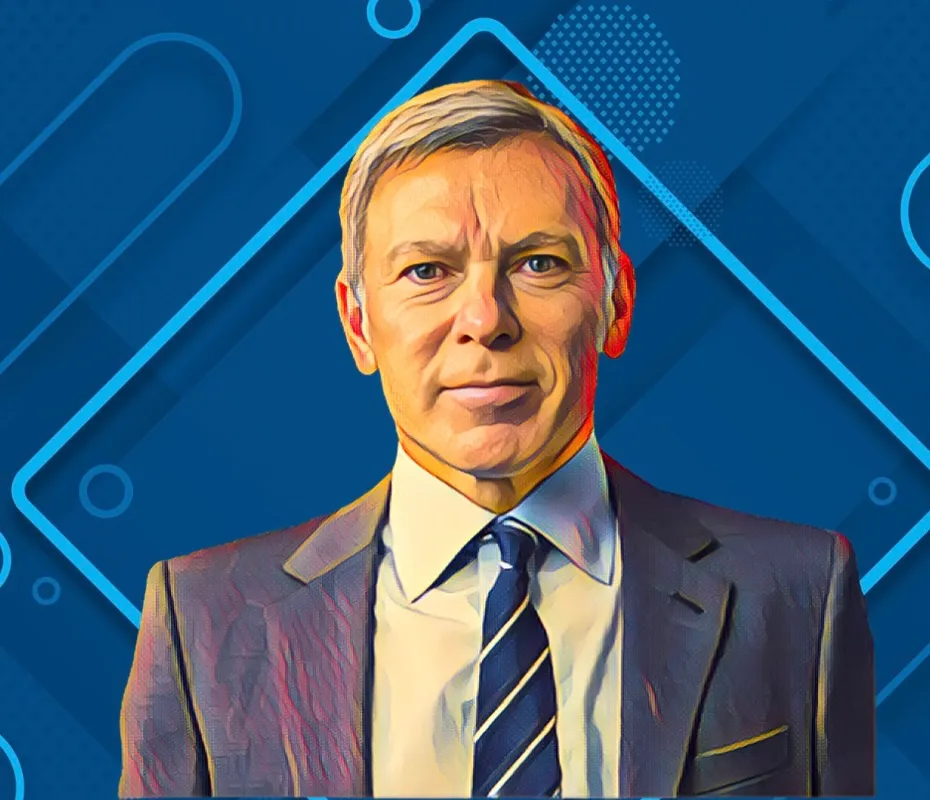
The results land at a complicated moment for the company. In February, founder Patrice Motsepe stepped down as executive chairman after JSE rule changes barred a board chair from simultaneously serving as an executive director. Motsepe, who built ARM from a marginal gold mining operation in the late 1990s into one of South Africa's most diversified mining houses, moved into the role of non-executive chairman. Jacques van der Bijl was named chief operating officer at the same time.
The leadership transition did not disrupt momentum. The numbers ARM posted Thursday are at the upper end of the range the company flagged in a February trading statement, where it said headline earnings per share would land between 814 cents and 891 cents.
The commodity backdrop
ARM operates across iron ore, manganese, platinum group metals and thermal coal, meaning its fortunes are spread across very different markets with very different near-term outlooks.
Iron ore faces headwinds. Global supply from Australia and Brazil remains robust, and the anticipated ramp-up of the Simandou project in Guinea from 2027 is expected to add meaningful new tonnage to an already well-supplied market. Chinese steel production continues to soften as domestic construction demand weakens and steelmakers shift toward electric arc furnaces, which consume less iron ore. Elevated port inventories add to the pressure.
The manganese picture is more nuanced. Production from GEMCO, a major Australian supplier, has recovered following cyclone-related shutdowns, which has pushed near-term supply higher. Prices and rand strength are expected to squeeze high-cost South African producers. Yet ARM notes that declining inventories and restocking activity could provide price support, and longer-term demand from battery applications is building gradually.
PGMs are the brightest part of the commodity outlook. Mine production is falling as ore bodies mature and producers cut capital spending. Recycling is growing, but not fast enough to fill the gap. Autocatalyst demand is holding up as internal combustion engines and hybrid vehicles remain in production at scale, with Chinese vehicle exports and evolving emissions standards providing a floor. ARM expects PGM markets to remain in structural deficit through the end of the decade.
Thermal coal is being watched closely for developments in Indonesia, which is moving to reduce production to support prices and protect domestic supply. Any meaningful cut to Indonesian export volumes would tighten the seaborne market and potentially lift prices across coal grades.
Navigating a volatile stretch
ARM's management has spent the past year trying to position the company for both short-term resilience and long-term growth. That has meant pushing hard on underperforming assets, deferring non-essential capital expenditure, and working to ease the logistics and infrastructure constraints that inflate costs for South African miners.
The dividend increase suggests the board is comfortable that cash generation is improving. At 500 cents ($0.30) per share, the interim payout is 11% higher than a year ago and represents a meaningful signal of confidence from a board that has been cautious through the commodity downturn.
The Nkomati acquisition, which contributed to the jump in basic earnings alongside the Sakura disposal, also adds a copper dimension to a portfolio that has been mostly focused on bulk and precious metals. Copper is increasingly central to ARM's long-term strategy as the group pushes into critical minerals to diversify away from its traditional commodity base.
Motsepe's transition to non-executive chairman closes a chapter that stretches back nearly three decades. He bought marginal gold mine shafts from AngloGold in 1997 when gold prices were depressed and few wanted them, built ARMGold and listed it on the JSE in 2002, then engineered a merger with Harmony Gold and Anglovaal to create what would become African Rainbow Minerals in 2003. The company he hands to a strengthened executive team now has a market capitalization of approximately R46 billion ($2.76 billion) and operations spanning five commodity groups.
The first-half recovery suggests the restructuring work of the past year is showing up in the numbers. Whether the second half can sustain the momentum will depend heavily on where iron ore prices land and whether the PGM recovery ARM is banking on continues to materialise.