


Table of Contents
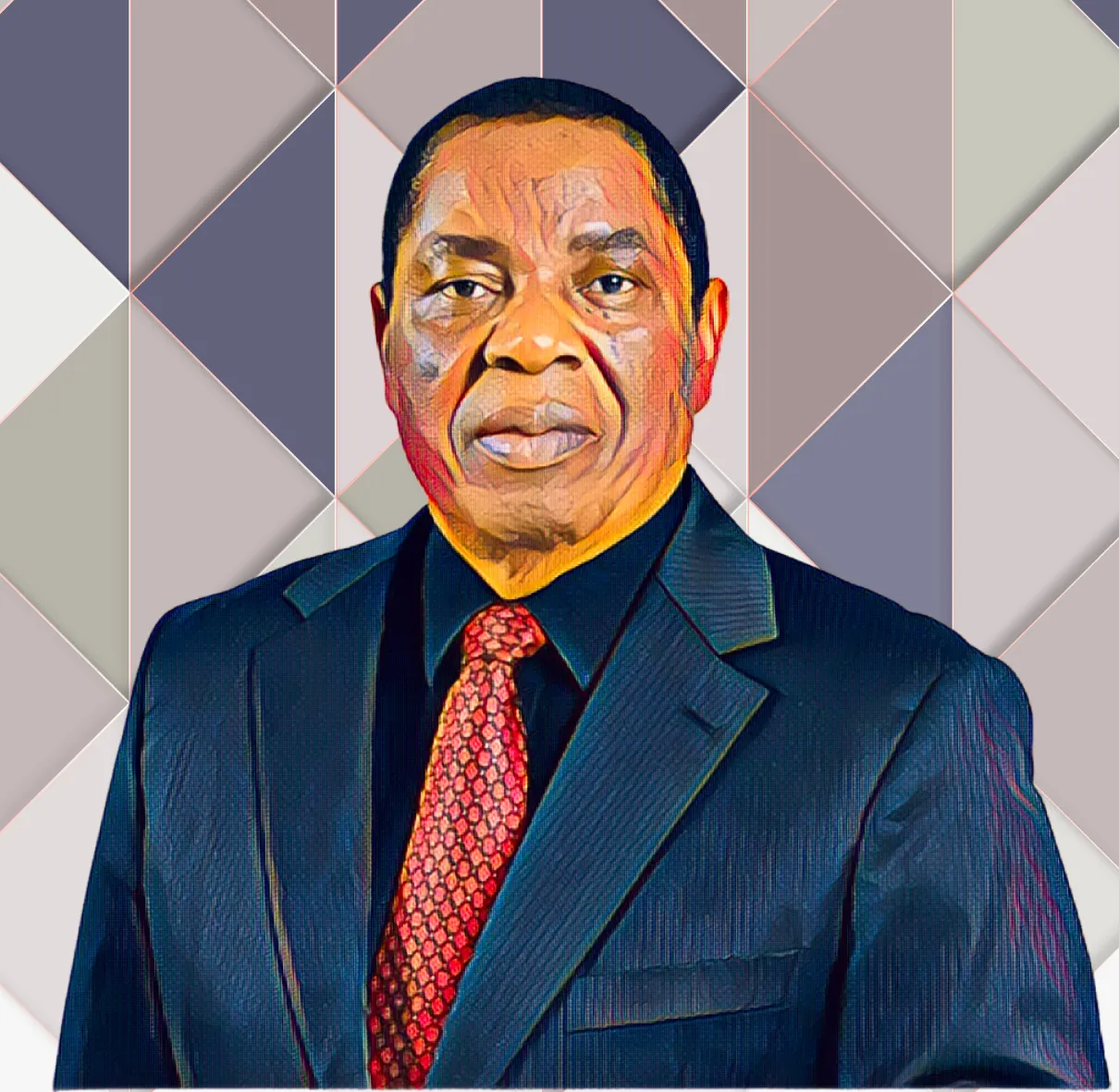
Patrice Motsepe is building out his mining empire, and this time the expansion runs through a port.
African Rainbow Minerals, the mining company controlled by South Africa's richest man, has confirmed it will join a consortium developing a new manganese export terminal at Ngqura Port in the Eastern Cape. The facility, a joint venture between the Manganese Producers Consortium and state-owned logistics company Transnet, is set to become the country's primary hub for getting manganese out to global markets.
ARM will sit alongside some of South Africa's biggest mining names in the consortium, including South32, Anglo American, and Tshipi e Ntle Manganese Mining, the latter controlled by Exxaro Resources.
The timing tracks with ARM's financial momentum. The company posted a 10% rise in interim earnings to R8.66 per share, a result that signals both growing profitability and the balance sheet capacity to take on large infrastructure commitments.
South Africa is not short of manganese. The country holds roughly 75% of the world's identified manganese ore reserves, most of it concentrated in the Kalahari Basin in the Northern Cape. More than 85% of that output is exported as raw ore or concentrate, accounting for about 36% of global seaborne manganese trade.
That volume has been quietly overwhelming the country's logistics network for years. The aging Port Elizabeth Manganese Terminal, which currently processes around 5.5 million tons per year, has reached the limits of what it can handle. Transnet plans to phase it out entirely and redirect exports through Ngqura, which will open with an annual capacity of 16 million tons and could eventually scale to 22 million tons.
Transnet is also working with private sector partners to upgrade the rail corridor connecting the Northern Cape mining region to the port, addressing a bottleneck that has long constrained export volumes.
ARM is entering this project from a position of strength.
Platinum group metals have been a significant driver. Platinum headline earnings jumped 200% to R704 million in the period. Basic earnings climbed 69% year on year to R2.35 billion, supported by gains from the sale of ARM's Sakura manganese processing facility and increased control of the Nkomati Nickel Mine.
The company's platinum joint ventures have been central to that performance. ARM operates with Anglo American at the Modikwa Mine and with Impala Platinum at the Two Rivers Mine, both of which have benefited from stronger PGM prices.
Coal and ferrous divisions faced pressure during the period, but the company still declared an interim dividend of R5 per share and reported a net cash position of R8.46 billion. That kind of financial cushion matters when committing to large, multi-partner infrastructure projects.
The Ngqura terminal lands at a moment when South Africa is pushing harder for local participation in the mining sector. Government policy has been nudging companies toward domestic ownership structures and downstream value creation, with the goal of keeping more revenue onshore while supporting employment and beneficiation.
ARM's involvement in the consortium fits that direction. It also comes as global demand for manganese is rising, driven by steel production on one end and battery manufacturing on the other, with electric vehicle growth pulling the latter higher.