

Table of Contents
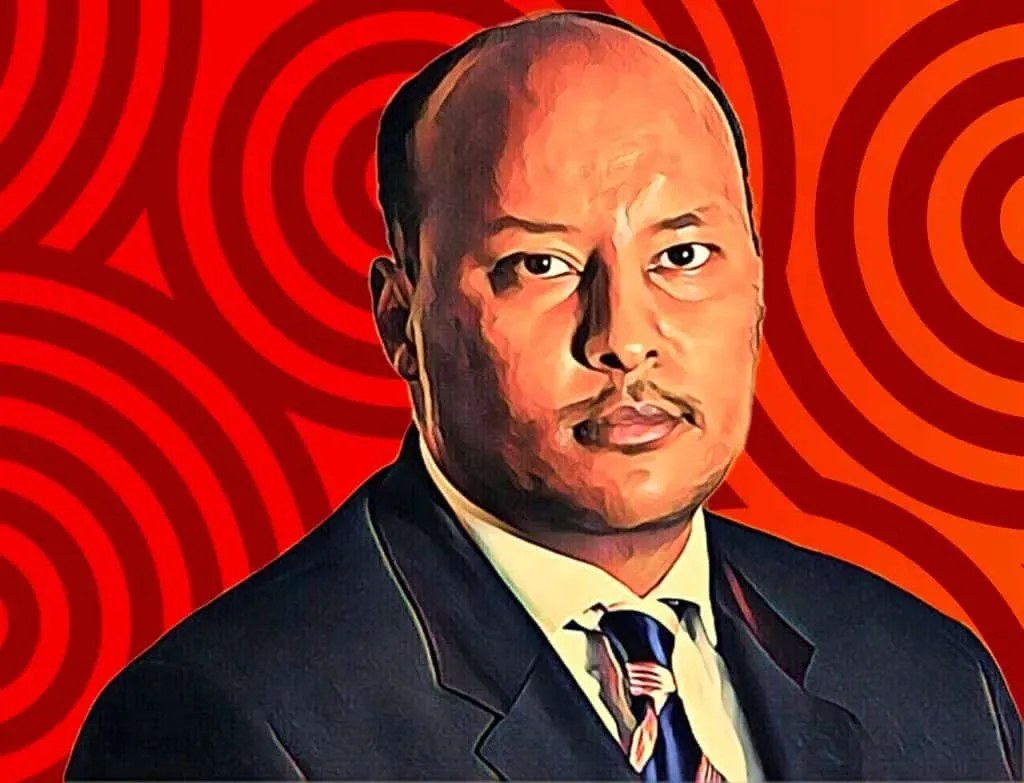
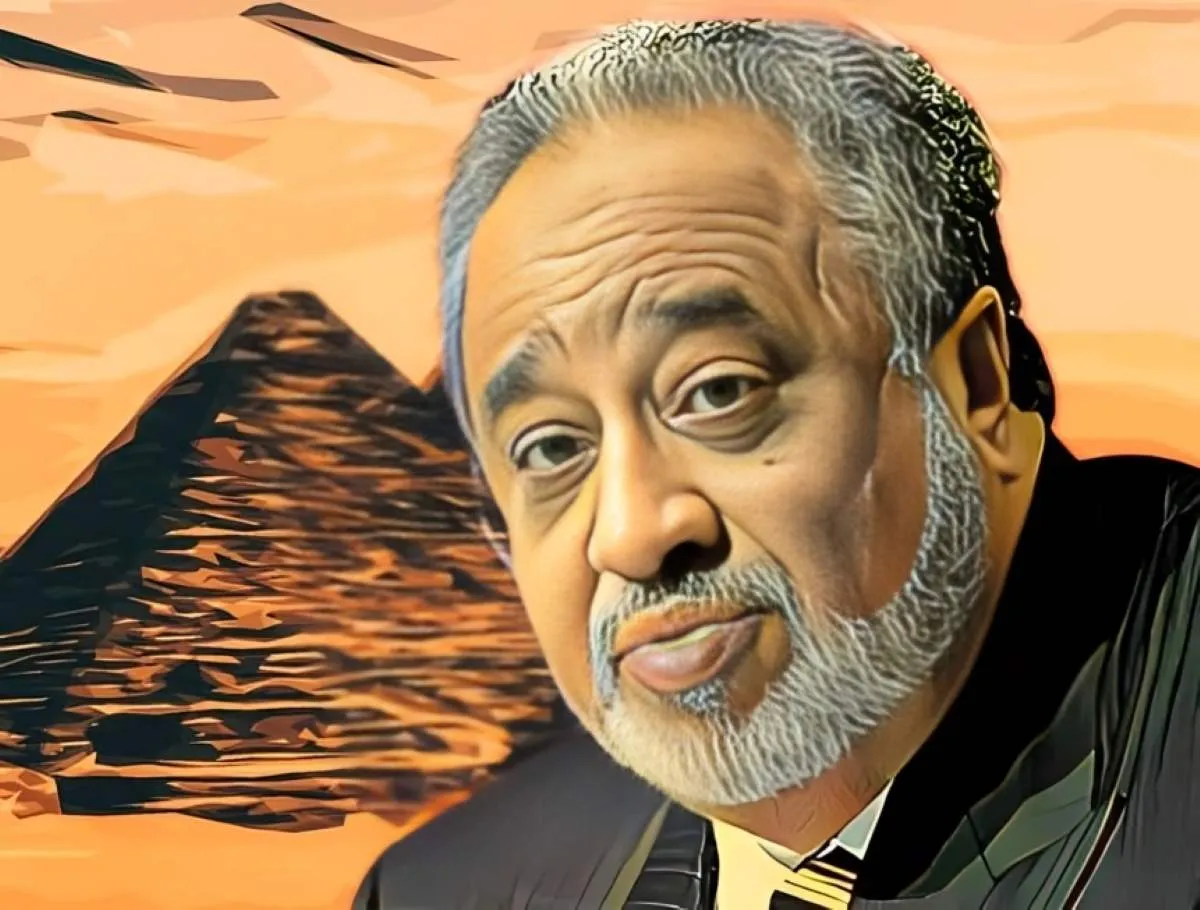
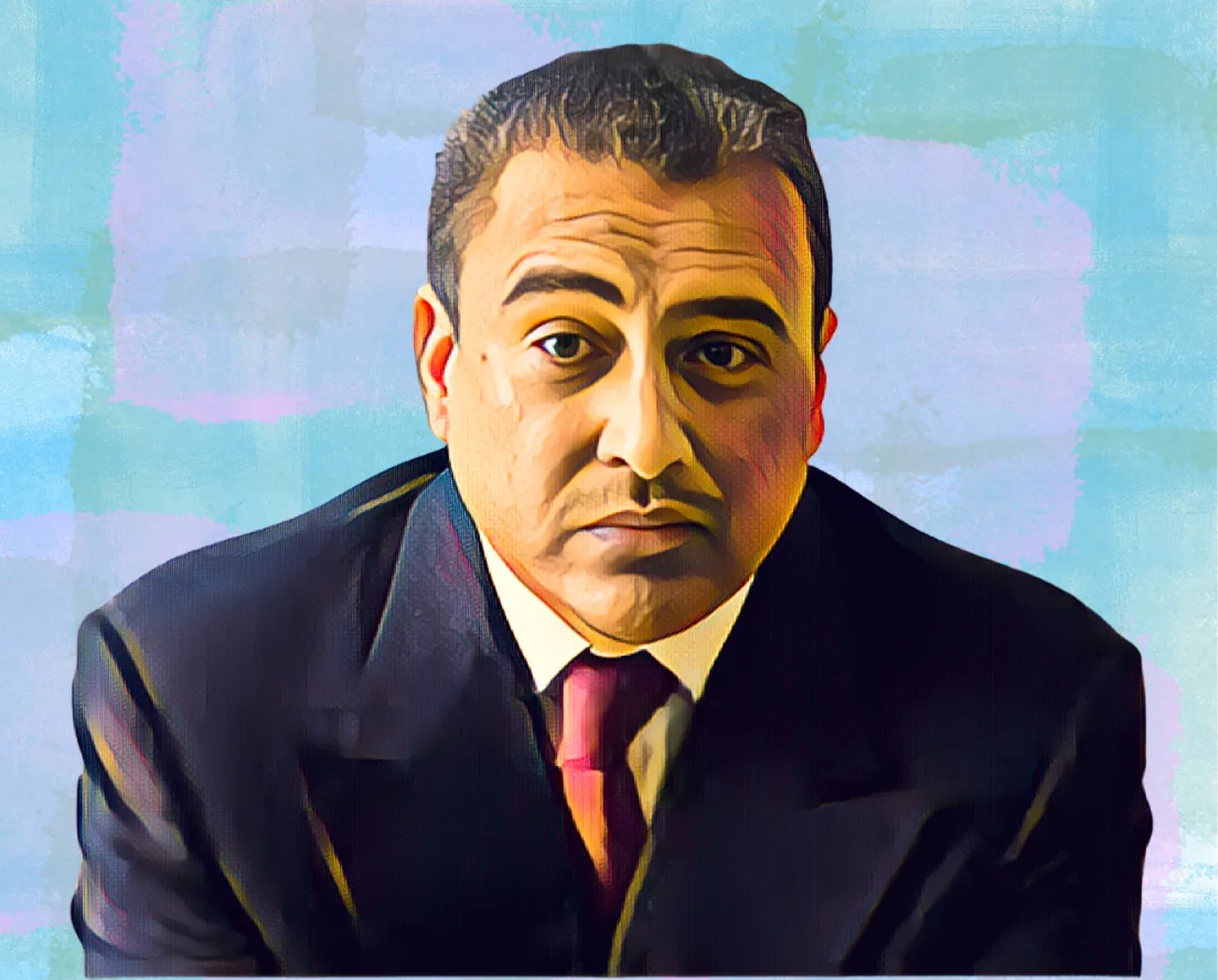
Abdourahman Boreh was once the most powerful businessman in Djibouti. He was a close friend of President Ismail Omar Guelleh, the architect of the country's port expansion, and the man who personally convinced Dubai to invest in the tiny Horn of Africa nation. He was also, it later emerged, collecting payments from both sides of every deal he brokered.
That double role sits at the heart of one of the most consequential and contentious infrastructure disputes in East Africa, one whose effects are now visible far beyond Djibouti, reaching into Somaliland, Ethiopia and the broader strategic rivalry between the UAE and its competitors along the Red Sea.
Boreh was born in Dire Dawa, Ethiopia, and grew up speaking fluent Amharic before building his career across the Horn. He holds dual Djiboutian and French nationality and spent years living in Dubai before eventually settling in London, where he has fought a succession of legal battles from exile. He first made serious money in the late 1980s and 1990s as the Horn of Africa's regional representative for British American Tobacco. It was straightforward commercial work, but it gave him contacts, capital and the confidence to move into harder infrastructure.
He used that foundation to build Soprim Construction S.A.R.L, which became one of Djibouti's principal construction and civil engineering firms, winning major government contracts as the country began modernising its port infrastructure. By the late 1990s, Boreh was not just a contractor. He was an investor, an adviser and an indispensable fixer between Djibouti's political leadership and foreign capital looking for a foothold on the Red Sea corridor.
In 2000, Boreh was the single largest private investor in the development of a new port and free zone complex at Doraleh. The Djibouti Dry Port, a large container yard and warehouse facility designed to serve landlocked Ethiopia's import and export trade, was his idea. It was a public-private model new to Djibouti, structured with the government holding a minority stake in exchange for providing land, and Boreh's principal holding company Boreh International as the largest single investor. The project worked. It increased the throughput of Ethiopian trade in the port and generated substantial employment.
By the time Boreh met Sultan bin Sulayem, the chairman of DP World, in 1999, he had already made his calculations. He developed the concept of outsourcing management of the entire Port of Djibouti to DP World, arguing it would modernise operations and eliminate the inefficiency and corruption that had plagued the old setup. The idea found favour with Guelleh, who was looking for foreign investment and strategic partnerships. Internal DP World emails later produced in court described Boreh as "the King Maker in Djibouti" who was "responsible for getting Dubai involved in Djibouti in the first place."
By 2003, Guelleh had appointed Boreh chairman of the newly created Djibouti Ports and Free Zone Authority, a position he held until 2008. In that role, Boreh negotiated the concession agreements that gave DP World control of the Doraleh Container Terminal under a 30-year deal. A free zone modelled on Dubai's Jebel Ali followed, and Boreh introduced Hussain Sultan, the chairman of the Emirates National Oil Company, to Guelleh, which led to the construction of the Horizon oil terminal and tank farm at Doraleh. In that deal too, Boreh held a 30% stake in the joint venture through his offshore company, while simultaneously negotiating its terms on Djibouti's behalf.
Beyond Djibouti, Boreh built a portfolio that stretched across the region and into the Gulf. At the time London courts began freezing his assets in 2014, his wealth was estimated at more than $100 million. The worldwide freezing order issued by a London court covered a property in Belgravia, a chateau in the south of France and substantial corporate assets. He maintained a villa in Dubai's Emirates Hills district, owned three apartments in the Dubai International Financial Centre jurisdiction and held interests in a Jebel Ali Free Zone company. He also held investments in Kenya and South Africa. Documents from the International Consortium of Investigative Journalists identified him as a shareholder in offshore companies registered in the British Virgin Islands, with separate structures in Samoa used to hold financial flows from the port deals. His principal offshore vehicle for the DP World consultancy payments was a company called S Flame, which routed funds through a Swiss bank account.
What emerged during subsequent London litigation was more complicated. Boreh had been receiving roughly $500,000 a year from DP World in what the company described as consultancy fees. Under cross-examination at the London High Court in 2015, Boreh acknowledged receiving a total of $1.3 million from DP World. Court documents also revealed that he had been promised a 15% stake in DP World Djibouti, the joint venture partner in the Doraleh terminal, including 5% in dividends and 15% of DP World's management fee. Djibouti's government called these payments kickbacks. The Horizon Oil Terminal arrangement, in which Boreh held 30% through an offshore company while negotiating on Djibouti's behalf, was described by the government's lawyers as a bogus deal. Asked under cross-examination whether he had drafted or read the relevant contract, Boreh told the court: "As far as they pay me, I signed."
Boreh's relationship with Guelleh fell apart in 2008 after he spoke publicly about the lack of democracy and indicated he would run for president. He left Djibouti in 2009 and was convicted in absentia of corruption and terrorism, receiving a 15-year sentence. The terrorism charges stemmed from a grenade attack in Djibouti City in March 2009. But the London High Court threw out those charges in March 2015 after the judge found that the dates on intercepted phone transcripts presented as evidence had been altered, making it impossible for the calls to have referenced an attack that had not yet occurred. The court concluded the case against Boreh was politically motivated and unfroze his assets, obliging the Djiboutian government to pay his legal costs.
A London Commercial Court cleared Boreh of misconduct in 2016, though earlier proceedings had found fault with aspects of his conduct. Djibouti continued pursuing civil claims for restitution of funds it said were obtained through abuse of office.
Meanwhile, the Doraleh concession itself was collapsing. Djibouti had grown increasingly dissatisfied with its terms, accusing DP World of deliberately limiting the terminal's throughput to protect its own Jebel Ali hub in Dubai. In February 2018, Guelleh issued a presidential decree terminating the concession and seizing the terminal. The government moved to bring in China Merchants Port Holdings as a partner.
DP World launched arbitration proceedings in London. Multiple rulings in 2021 by the London Court of International Arbitration sided with DP World on contractual grounds, confirming the unlawfulness of the termination. Then, on Sept. 29, 2025, a separate LCIA decision recognized the sovereign nature of Djibouti's act of termination and rejected DP World's claim for compensation, a ruling Djibouti interpreted as legal recognition of its authority over its own strategic infrastructure. The legal picture remained contested, with the two sets of rulings pointing in different directions.
DP World's response to the Djibouti setback was to pivot southward. The company poured capital into Berbera, a port in Somaliland, the self-declared republic in northern Somalia that remains internationally unrecognized. DP World now holds a 51% stake in the Berbera development. Ethiopia took a 19% stake. With Ethiopia handling the trade of nearly 130 million people, the ability to redirect even a fraction of that traffic from Djibouti to Berbera represents a serious economic threat to a country whose entire economy runs on port revenues.
Djibouti's President Guelleh has previously said he believed Boreh, now in exile, was playing a role in DP World's Berbera moves. That claim has not been substantiated in court. What is clear is that the strategic contest for the Red Sea corridor, in which Boreh was an early and pivotal figure, has grown far larger than any one individual. The resignation in early 2026 of Sultan Ahmed bin Sulayem, the longtime chairman and CEO of DP World, following disclosures about his relationship with Jeffrey Epstein, added another layer of reputational complexity to a company already navigating multiple legal battles across the Horn of Africa.
The Doraleh and Berbera saga has exposed a tension that runs through much of African infrastructure investment: the gap between private contracts negotiated by individuals and the sovereign interests of the states those individuals represent. Djibouti is a small country dependent on a single sector. DP World is a state-backed operator with a global network. Boreh was, for a time, the man in between.