

Table of Contents
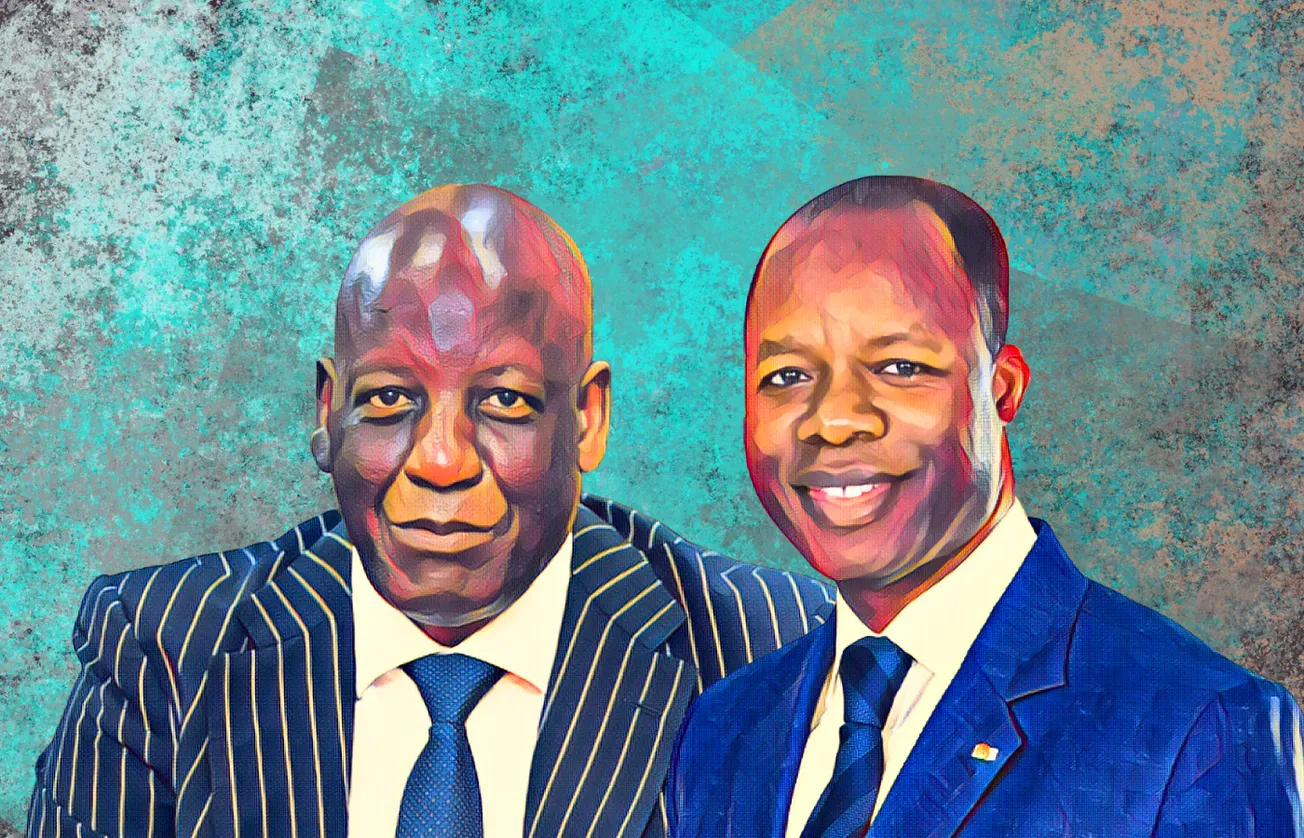
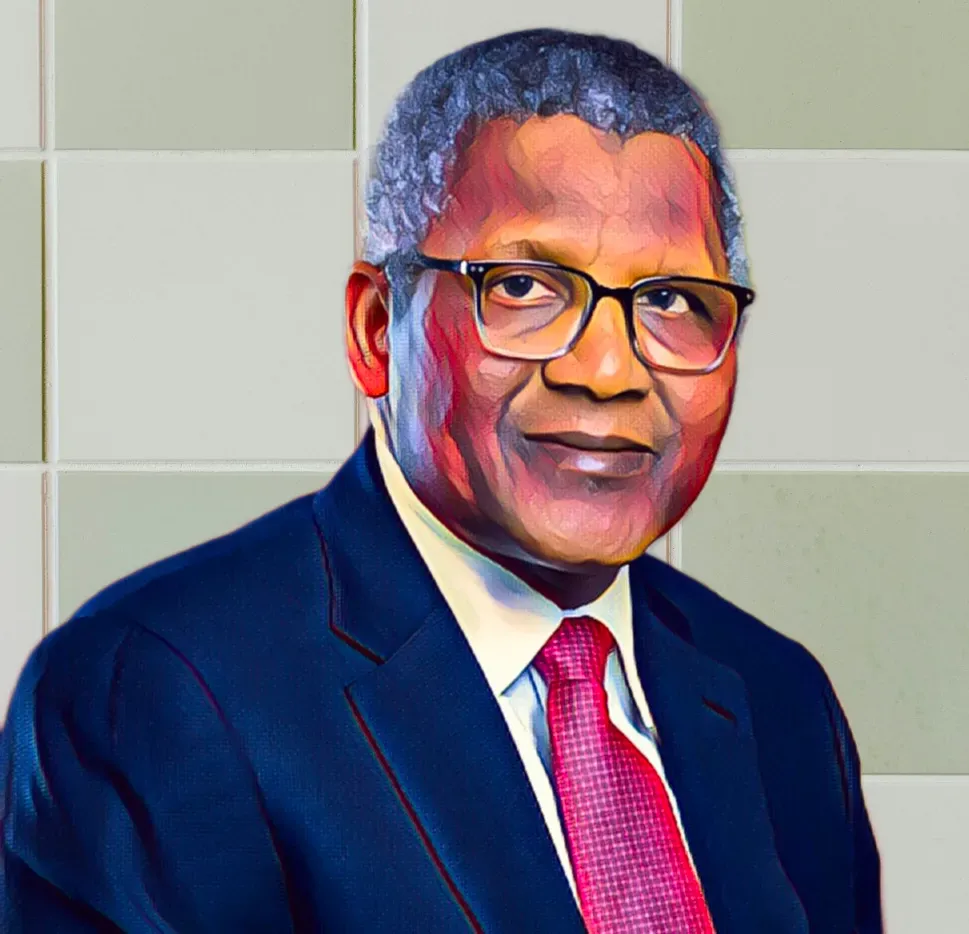
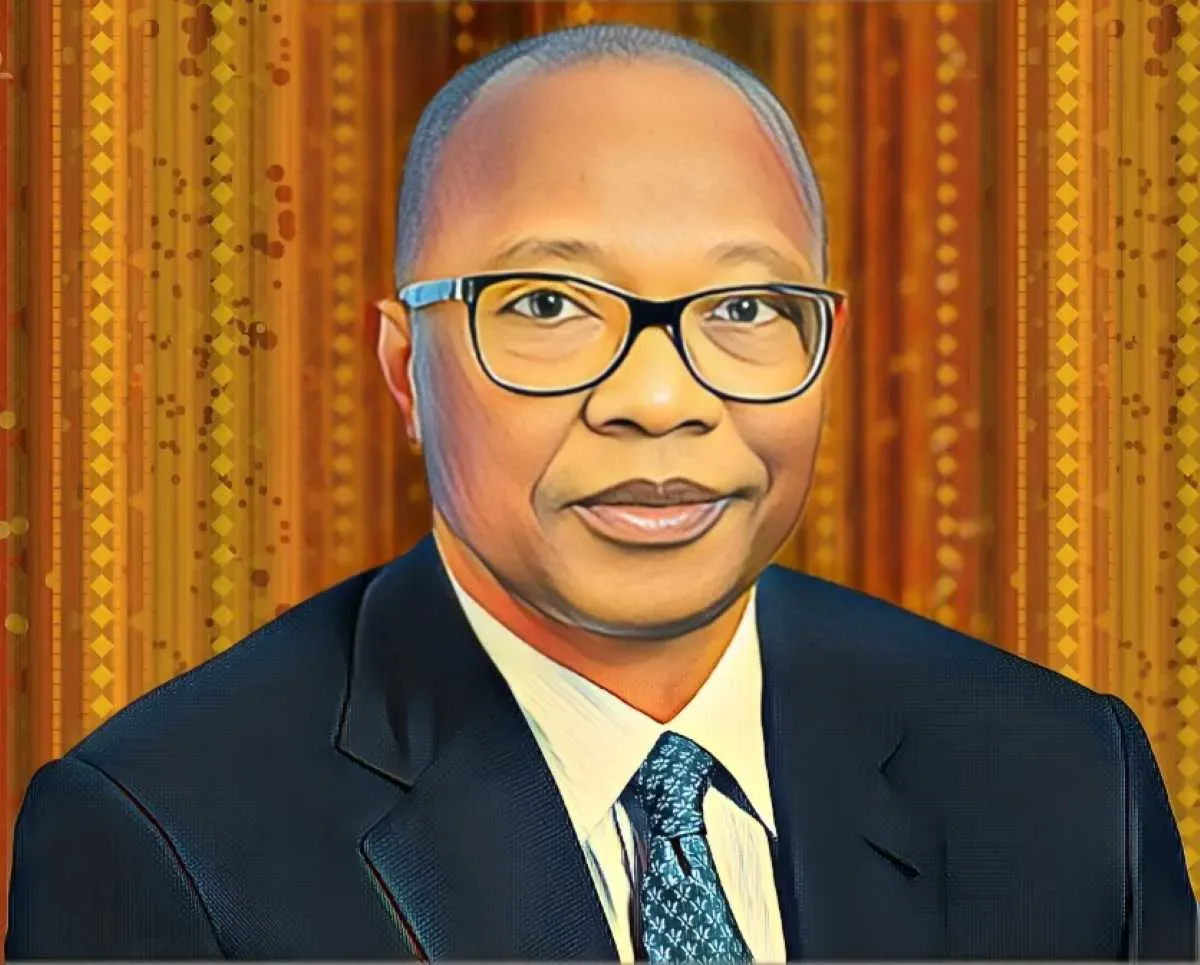
President Bola Tinubu has appointed Fola Adeola, the chartered accountant and entrepreneur who co-founded Guaranty Trust Bank in 1990, to chair a new presidential taskforce charged with designing the next phase of structural reforms in Nigeria's petroleum sector.
The Presidential Petroleum Reform and Value Optimisation Taskforce was announced Friday by Bayo Onanuga, the Special Adviser to the President on Information and Strategy. The body is described as a time-bound, high-level executive working group, not a standing committee, and will report directly to the president.
Adeola is best known as one of GTBank's founding figures, serving as its pioneer managing director from 1990 until 2002. He later established the Fate Foundation, an entrepreneurship development organization, which he still chairs. His appointment puts a private sector face on a reform push that Tinubu has been building since taking office in 2023.
Joining Adeola on the taskforce are Ademola Adeyemi-Bero, Osagie Okunbor, Abubakar Suleiman, Adaeze Aguele, Farouk Gumel, Phillipa Osakwe-Okoye and Seyi Bella. Mofoluwasho Fadayomi will serve as secretary.
The taskforce has a six-month window to produce three reform blueprints. The first covers immediate structural fixes, including draft legislative amendments, executive instruments and institutional restructuring proposals. The second targets a capital and liquidity acceleration plan aimed at unlocking between $5 billion and $10 billion in sectoral liquidity while protecting Nigeria's sovereign interests. The third is a 10-year national energy transformation strategy with measurable targets for production levels, foreign exchange earnings, GDP contribution and cost competitiveness.
An interim report is due after three months. The taskforce dissolves automatically once its final report is submitted and accepted.
Tinubu has directed all ministries, departments, agencies and regulators to give the taskforce full technical support and to submit inventories of ongoing initiatives so they can be aligned with the new framework. Existing committees and working groups already operating inside the sector have been instructed to fold their reporting structures into the taskforce to avoid duplication.
Onanuga described the creation of the body as "a strategic presidential instrument to accelerate petroleum sector reforms, strengthen governance architecture, optimise national energy assets, and position Nigeria's petroleum resources as a foundation for sustainable economic transformation."
The move comes as Nigeria's petroleum sector remains in the middle of a significant overhaul. Since 2023, the Tinubu administration has removed the long-standing petrol subsidy, unified the country's foreign exchange windows and pushed to raise crude oil production from roughly one million barrels per day toward a target of 1.5 million. The new taskforce is meant to lock in and extend those gains with a more structured reform architecture.