


Table of Contents
Aliko Dangote has locked in a $4.2 billion natural gas supply agreement with China's GCL Group, a 25-year pact that will channel energy directly into a urea fertilizer complex set to become the largest of its kind in East Africa.
The deal was signed in Lagos and pairs Dangote Industries Limited with GCL Group, China's leading private energy conglomerate. Under the arrangement, GCL will transport natural gas from the Calub gas field in the Ogaden Basin through a dedicated 108-kilometer pipeline to the fertilizer production facility in Gode, in Ethiopia's Somali Region.
The fertilizer plant carries a separate $2.5 billion price tag and is being built as a joint venture. Dangote Group holds a 60% equity stake, while Ethiopian Investment Holdings takes the remaining 40%. The facility is expected to begin operations in 2029 with an annual production capacity of 3 million tonnes, making it the largest modern fertilizer plant in East Africa. Once running, it will cover Ethiopia's entire domestic urea import demand and supply neighboring markets across the region.
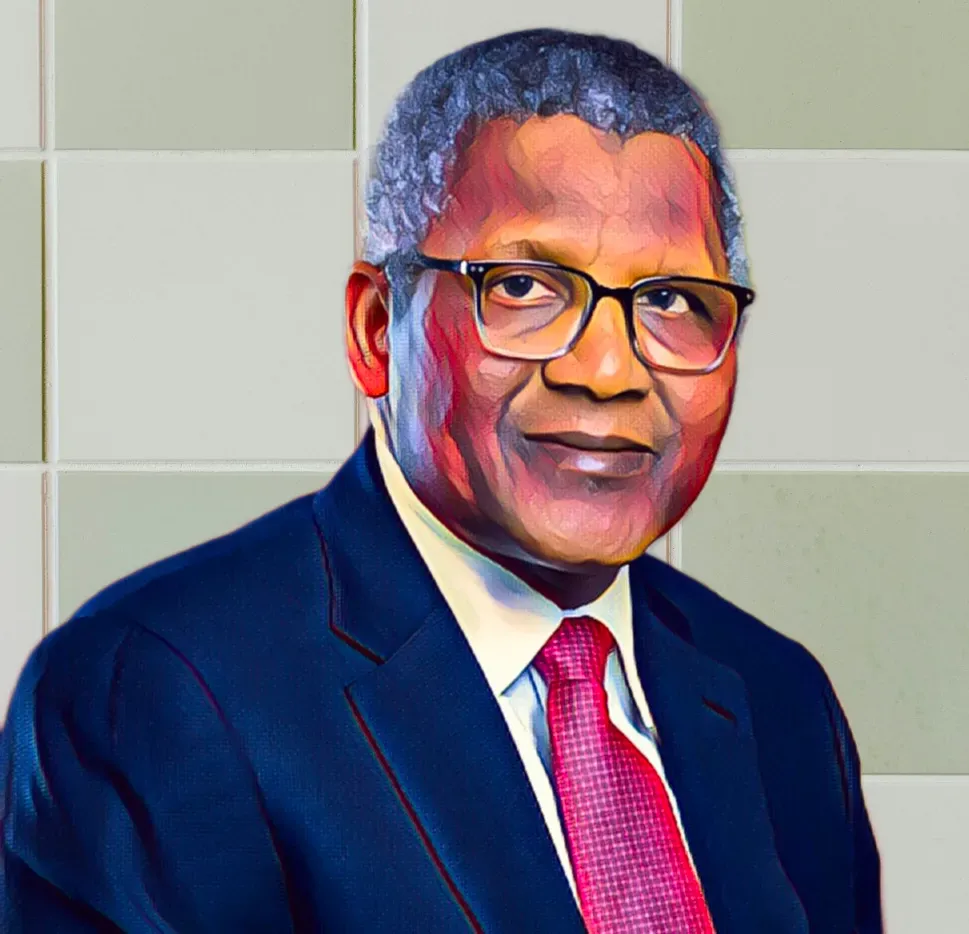
Dangote, the founder and chief executive of Dangote Industries and Africa's wealthiest person, framed the deal in direct terms. "Africa's energy industry cannot continue indefinitely exporting raw materials while importing finished products," he said. "We must pursue a new path of highly autonomous development. Through seamless integration and strategic cooperation with GCL, we will achieve an efficient closed-loop value chain from natural gas extraction to fertilizer production."
Zhu Gongshan, chairman of GCL Group, said the partnership marks a maturation in how Chinese companies engage with African economies, moving beyond an export-focused model toward something more structurally embedded. GCL has been active in Ethiopia for roughly 20 years, progressing from oil and gas exploration to constructing the country's first natural gas liquefaction project and steadily deepening its ties with senior government leadership.
The project's economics go beyond fertilizer. Industry analysts say that once operational, it will unlock the industrial potential of the Somali Region, create thousands of direct and indirect jobs, and drive infrastructure development across the area. The gas-based production pathway also aligns with the global trend toward lower-carbon industrial development.
Both parties noted the deal would not have been possible without strong support from the Ethiopian government. The project sits under China's Belt and Road Initiative and represents one of the most consequential China-Africa industrial transactions in recent years.