


Table of Contents
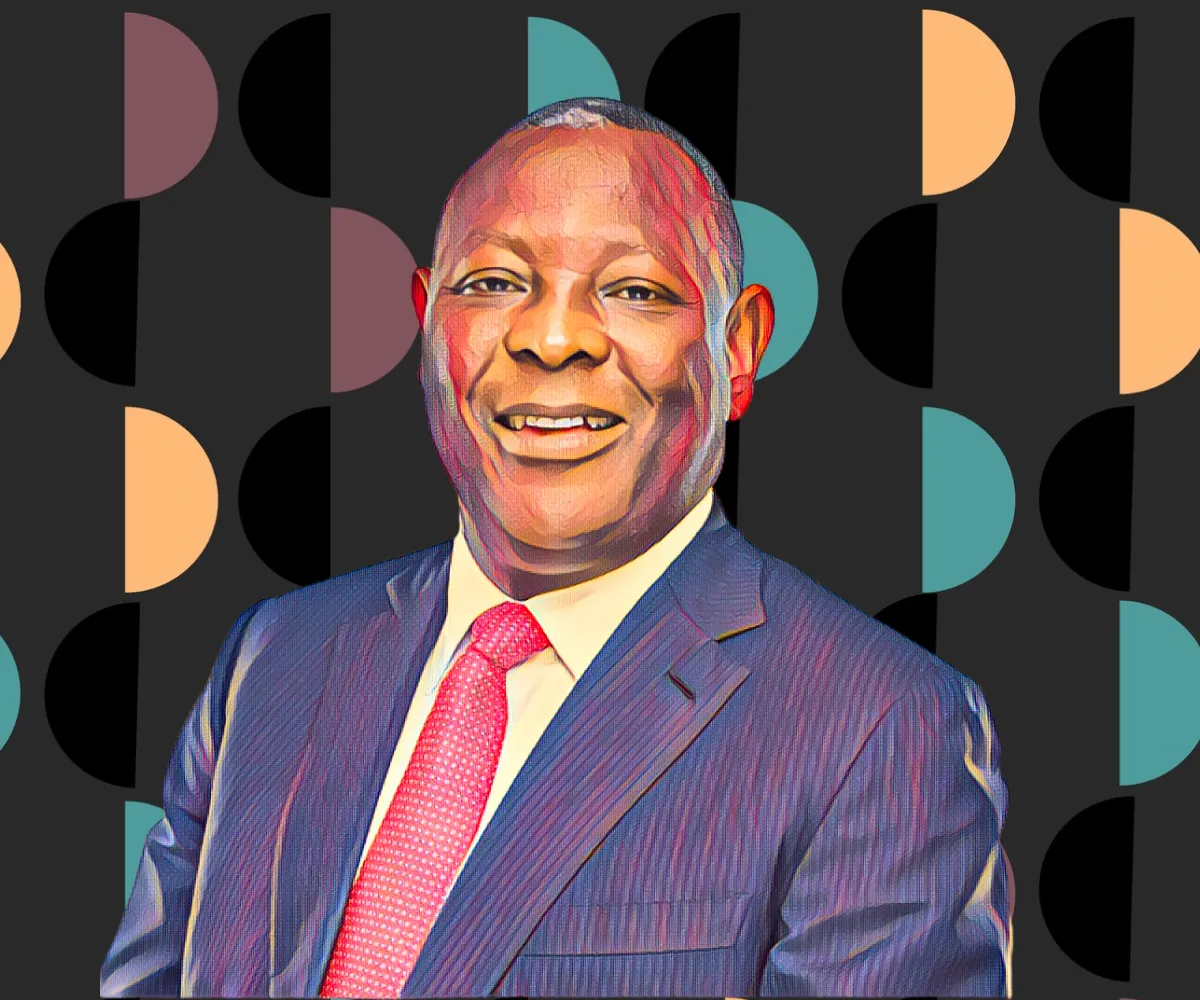
James Mwangi's Equity Group Holdings is dealing with another major fraud incident, this time in Rwanda, and the numbers are significant.
Equity Bank Rwanda confirmed Sunday that it lost approximately KSh 415.9 million, equivalent to Rwf 4.7 billion, in a fraud scheme that exploited its mobile money float system. The bank said no customer deposits were affected and normal operations continue, but the incident has drawn in law enforcement, regulators and, so far, 35 arrests.
Two of those arrested are bank employees involved in data center operations, according to the Rwanda Investigation Bureau, which is leading the probe. Thirteen others remain at large as investigators work to piece together how the scheme moved such large sums in a short window.
According to a bank official, the fraudsters used suspicious SIM cards to purchase unusually large mobile money floats, bypassing transaction limits that ordinarily regulate daily transfers. The scale was hard to miss. "What we saw were SIM cards buying float of up to US$72,000. Some of those SIM cards had never previously received even US$1," the official said.
Equity Bank Rwanda said its internal monitoring systems detected the irregular activity and triggered security and incident response protocols. The bank said the majority of the fraudulent transactions were reversed within 24 hours. Of the KSh 415.9 million involved, the bank has recovered about KSh 106 million, or Rwf 1.2 billion. Approximately KSh 309.7 million, around Rwf 3.5 billion, remains under recovery as investigations continue in coordination with the National Bank of Rwanda and law enforcement agencies.
The incident lands at a sensitive moment for Equity Group. In 2025, the bank dismissed more than 1,200 employees in Kenya following an investigation that uncovered deep collusion between staff and external fraudsters. Those losses exceeded KSh 1.94 billion, with some funds reportedly wired to offshore accounts including in Abu Dhabi.
Mwangi, Equity Group's chief executive, responded to that Kenya fraud wave by deploying artificial intelligence to sharpen the bank's detection capabilities. "When every fraud occurs we feed it to the AI to discover its uniqueness, and we then pull that transaction for screening," he said at the time. "We are making every effort because one fraud is too many, as that could be the only money a customer has in the account."
Mwangi said the AI-driven monitoring systems had already produced a 30 percent reduction in fraud cases across the group's operations. The Rwanda incident suggests the threat continues to evolve faster than any single countermeasure can contain it.
Equity Bank Rwanda said it is now reinforcing its cybersecurity infrastructure, upgrading transaction monitoring systems and tightening internal controls. It urged employees, partners and members of the public to report suspected misconduct through its confidential whistleblowing channels.