

Table of Contents
The Tony Elumelu Foundation has selected 3,200 young African entrepreneurs for its 2026 cohort, committing $5,000 in non-returnable seed capital to each of them and putting $16 million on the table in what the foundation is calling its most geographically and gender-diverse class yet.
The announcement was made Saturday by Somachi Chris-Asoluka, the foundation's chief executive, during a virtual media briefing ahead of the official unveiling on Sunday, March 22. Chris-Asoluka described the selection as a historic milestone in the foundation's 12-year history, citing the distribution of beneficiaries across the continent as particularly notable.
"The numbers you're going to see tomorrow, and the breakdown of those numbers, are incredibly exciting because they reflect our commitment to ensuring that no African entrepreneur is left behind, regardless of their gender or location," she said.
Each of the 3,200 entrepreneurs receives the $5,000 grant with no repayment obligation, alongside mentorship and lifelong access to the foundation's alumni network. Chris-Asoluka was direct about what sets the programme apart from conventional grant-making. "We don't just provide a grant and walk away; we have a lifelong relationship with our entrepreneurs because our goal is to see them grow into large-scale enterprises that create economic prosperity for all stakeholders," she said.
The 2026 class carries a new dimension. The foundation has built artificial intelligence and climate resilience training into the programme's core curriculum for the first time, responding to what Chris-Asoluka described as the inescapable demands of the current global market. All 3,200 entrepreneurs will receive what the foundation is calling "AI thinking" and green business management training as part of the package.
"In 2026, all businesses had to begin to integrate AI to remain competitive," she said, making clear that the foundation sees this year's cohort not just as the next wave of African small business owners but as potential leaders of the continent's technology and climate economy.
The 2026 class will be managed in four distinct groups and supported by a set of global partners including the Dutch government, Young Africa Unlimited and the United Nations Development Programme.
The foundation's own data offers a measure of how the programme has performed. Chris-Asoluka said internal monitoring shows a 75 percent survival rate for funded startups five years after receiving support, a figure that compares favourably to global failure rates for new businesses. She attributed that track record to the combination of capital, structured training, mentorship and advocacy that the foundation provides beyond the initial grant.
On the advocacy side, the foundation regularly brings entrepreneurs and policymakers into the same room to work through structural obstacles such as electricity access and tax burdens. Chris-Asoluka did not mince words about the stakes. "We work to help policymakers understand the absolute necessity of road networks and stable power for these entrepreneurs to thrive and compete on a global stage," she said.
Since its founding, the Tony Elumelu Foundation has disbursed more than $100 million in seed capital to more than 24,000 entrepreneurs across all 54 African countries, trained 2.5 million young Africans through its digital platform TEFConnect, and helped generate more than $4.2 billion in revenue across its supported businesses.
To those who did not make the 2026 cut, Chris-Asoluka offered a data point as encouragement: nearly 30 percent of the foundation's most successful alumni were only accepted on their second or third attempt.
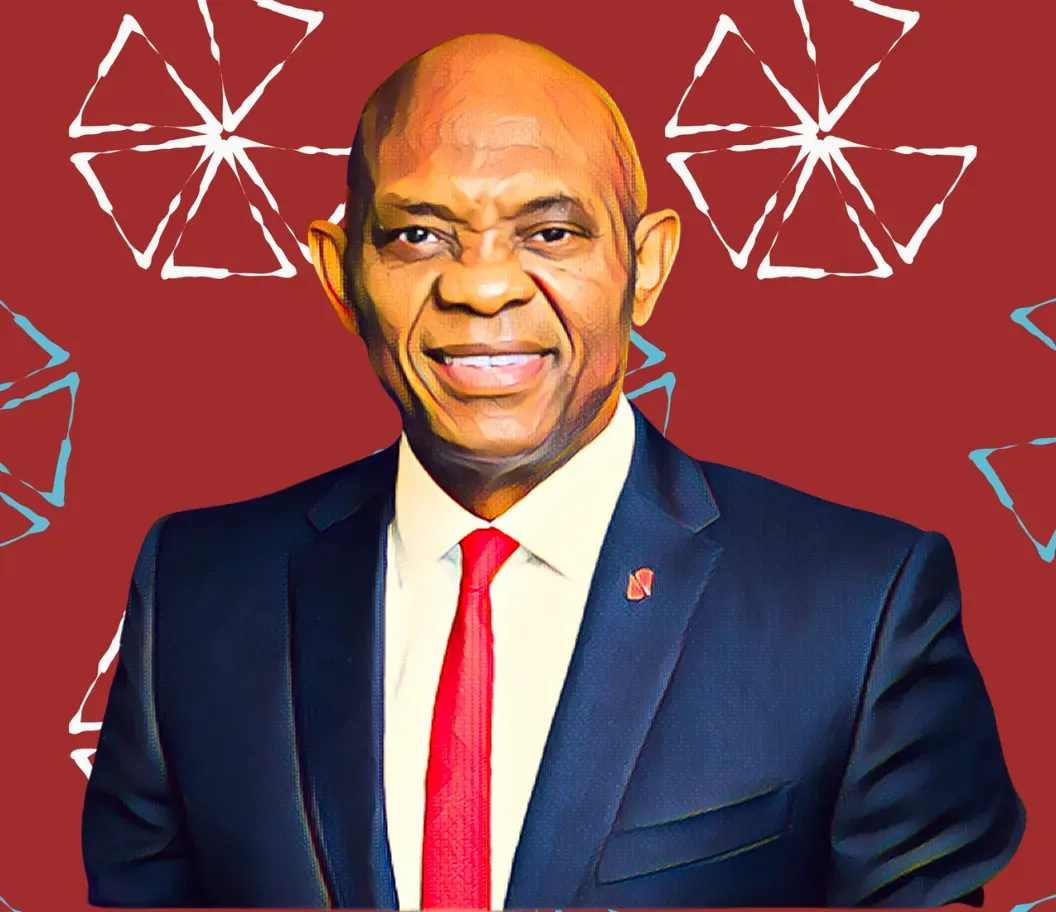
The foundation's work sits within the broader philosophy of Africapitalism, the concept advanced by its founder Tony Elumelu that positions the African private sector as the primary engine of the continent's social and economic development. "Entrepreneurs alone have the capacity, the resources, and the talent to create the millions of jobs our continent so desperately needs," Chris-Asoluka said.