


Table of Contents
South Africa is seeking a 12-month fuel supply contract with Aliko Dangote's Lagos-based refinery, part of a broader scramble by African governments to secure alternative energy sources as the ongoing US-Israel war on Iran disrupts petroleum supply chains across the continent.
Bloomberg reported the development Friday, citing multiple inquiries the 650,000-barrel-per-day Dangote Petroleum Refinery has received from African governments hunting for alternatives to their traditional Middle East suppliers. Ghana and Kenya have also made contact with the refinery, according to the report.
The trigger is the Iran conflict's pressure on the Strait of Hormuz, the narrow waterway through which nearly a fifth of the world's oil flows. Iran blockaded the strait on Feb. 28, putting Gulf refineries that supply much of Africa's finished petroleum products under strain. The disruption has been particularly sharp for eastern and southern Africa, where about 75 percent of refined fuel imports come from the Middle East, according to energy consultancy CITAC.
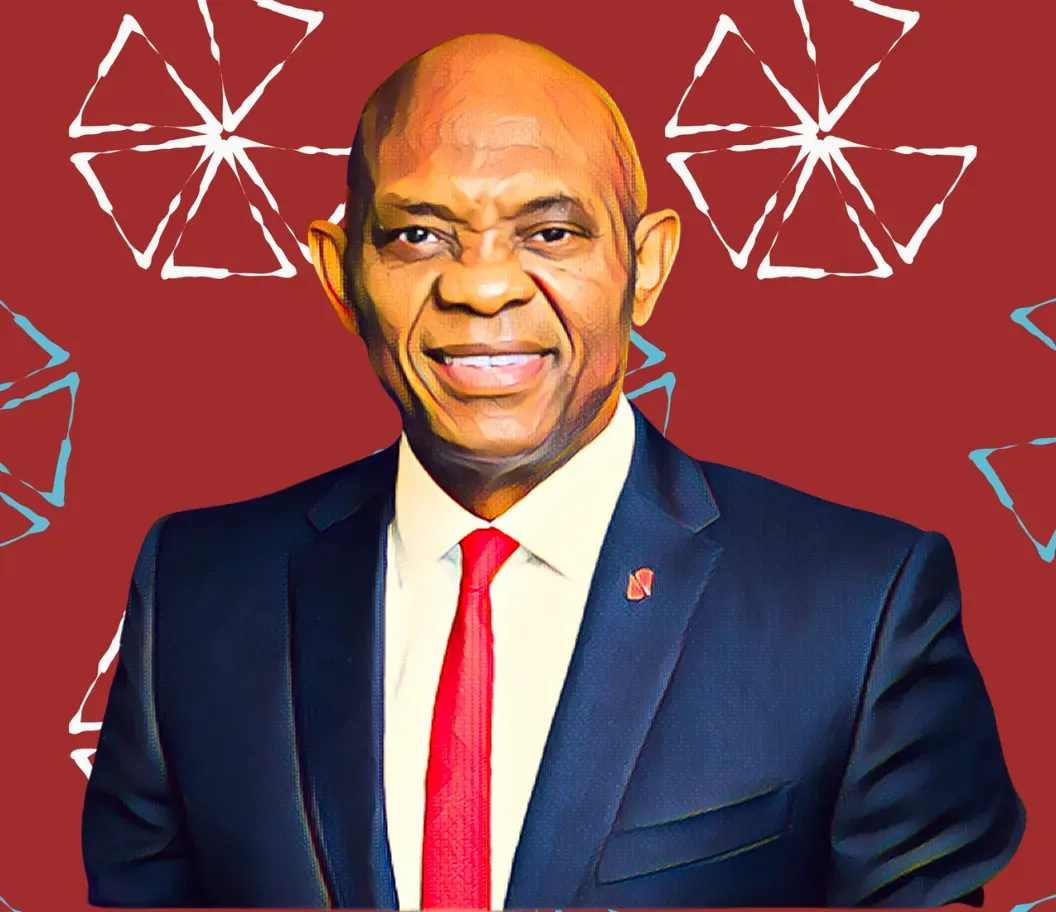
Dangote, Africa's richest man with an estimated net worth of $28.5 billion, put it plainly in a recent interview with The Economist. "Right now it is not about pricing, it's about availability. I think the situation will continue for a while," he said.
South Africa's government confirmed it is moving to diversify its supply lines. "The government is actively coordinating with industry stakeholders to secure both crude oil and refined petroleum products from a diversified range of sources," a South African government spokesperson told Bloomberg. Authorities added that the country has sufficient fuel for the coming weeks and that there is no immediate threat of shortages. Kenya made a similar assessment of its near-term position.
The Dangote refinery's ability to absorb all of Africa's new demand, however, is limited. About 75 percent of the plant's output is reserved for Nigeria's domestic consumption, leaving a relatively narrow export window. Analysts caution that even with the refinery running at capacity, it cannot fully bridge Africa's fuel deficit, particularly given the continent's thin strategic reserves. No African country is a member of the International Energy Agency, which requires members to hold at least 90 days of net oil import reserves.
Still, the refinery's emergence as a regional lifeline represents a turning point. The $20 billion facility took years to build and came onstream in 2024 after significant delays. It has since been ramping up production steadily, and its capacity already makes it one of the largest refineries on earth. Nigeria itself has felt the shift: the plant now supplies roughly 92 percent of domestic petrol demand, pushing fuel imports to historic lows and flipping the country's oil trade dynamics entirely.
The broader scramble for Dangote's output reflects a structural vulnerability that African governments are now being forced to confront. The continent's refining capacity has declined over years of underinvestment, and several countries that once had local refining capability have allowed those facilities to deteriorate or shut down entirely. That left eastern and southern Africa, in particular, exposed when the Middle East supply route came under pressure.
Africa is not alone in adjusting. The global oil market has been recalibrating since the Iran conflict escalated, with crude prices surging above $100 per barrel and buyers worldwide reassessing supply chain resilience. Within Africa, the speed at which governments have moved toward Dangote's refinery suggests the continent is beginning, slowly, to treat regional supply as a strategic asset rather than a fallback option.