

Table of Contents
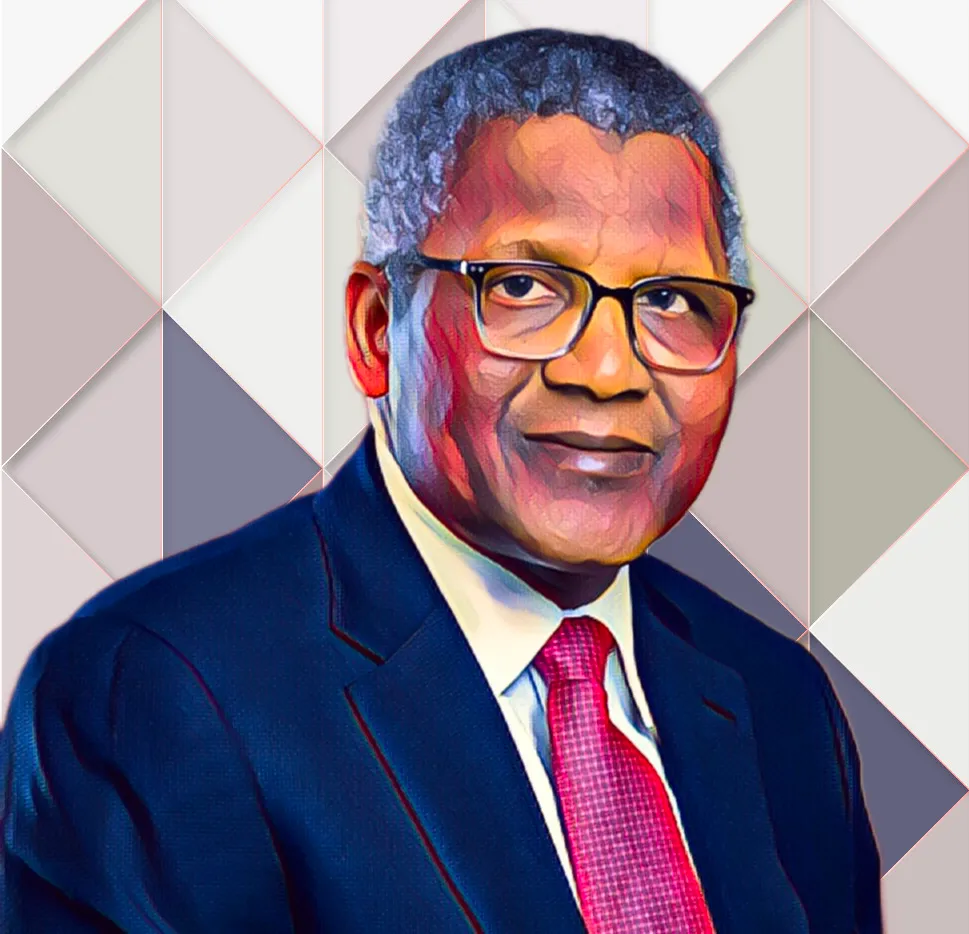
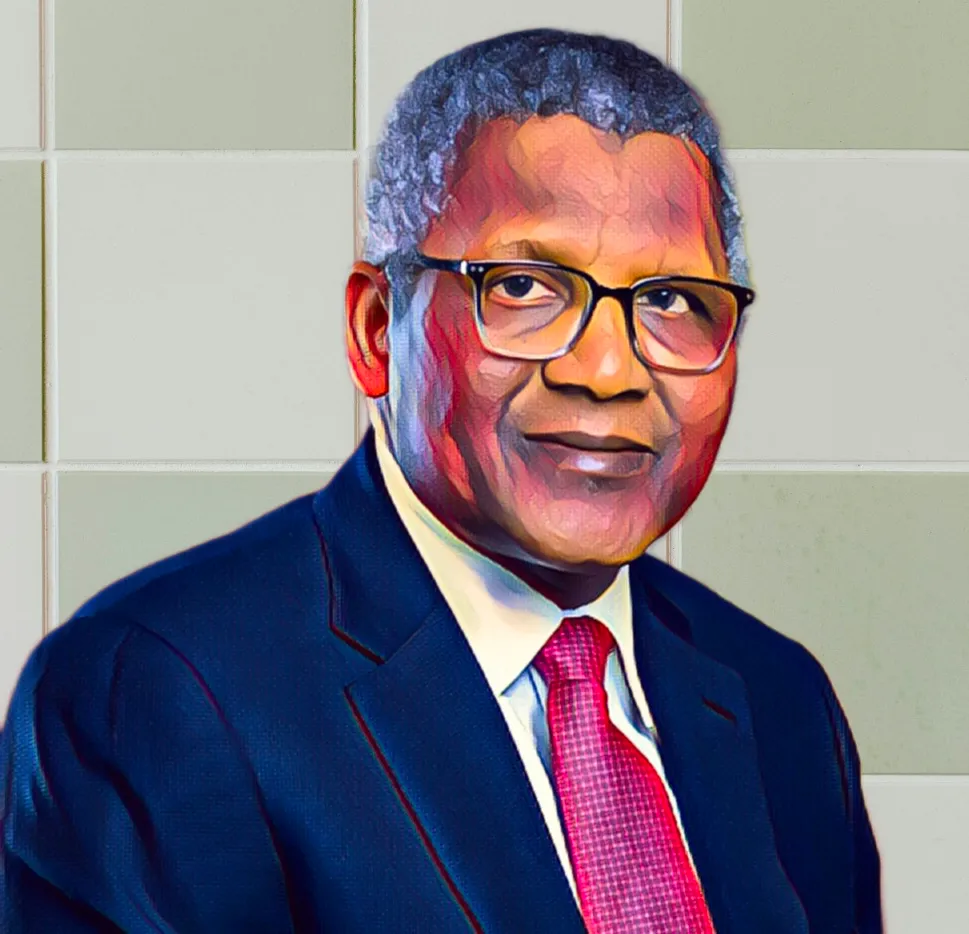
Nigerian billionaire Abdul Samad Rabiu has experienced a massive surge in his personal fortune during the first quarter of 2026. The founder and chairman of BUA Group increased his net worth by $4.47 billion, bringing his total valuation to $14.6 billion according to the Bloomberg Billionaires Index. The rise in wealth has propelled him to 197th among the world's richest individuals and the third wealthiest person on the African continent.
The year started with Rabiu holding a net worth of $10.4 billion, when he ranked as the fifth richest person in Africa, trailing international figures like Naguib Sawiris of Egypt. However, the rapid appreciation of his industrial assets shifted the rankings quickly. By early February, he surpassed Sawiris as his year-to-date gains climbed past the $1 billion mark. His global ranking rose steadily throughout the month as investor confidence in his core firms remained high. The speed of his ascent underscores how decisively BUA Group's diversified industrial model has resonated with markets during a period of heightened economic activity across Nigeria.
BUA Group revenue climbs to 1.18 trillion naira
This financial success is rooted in the strong performance of BUA Cement and BUA Foods. Revenue for the group increased to 1.18 trillion naira in 2025, compared to 876 billion naira the previous year. This growth was largely supported by high demand within the building and infrastructure sectors in Nigeria. The cement business in particular benefited from government-backed construction activity and a sustained housing deficit that has kept order volumes elevated. Rabiu has leveraged this momentum to secure several strategic partnerships that will expand his manufacturing footprint even further.
Cement and food deals anchor expansion push
In January 2026, Rabiu met with CBMI Construction Limited of China to discuss a new manufacturing line in northern Nigeria. This project is expected to boost cement output to almost 20 million tons annually, reinforcing BUA Cement's position as one of the largest producers on the continent.
The billionaire has also moved aggressively in the food sector to bolster national production capabilities. BUA Foods recently executed an agreement with Buhler for a rice processing plant with a capacity of 32 tonnes per hour. Additional alliances include a partnership with Viteral Integrated Milling Systems of Turkiye to develop an animal feed mill in Kano State. The facility is scheduled for completion in mid-2027 and is located within a primary grain-producing region. Another contract with Italian firm FAVA will increase pasta production by 400,000 metric tons.
Import substitution drives long-term investment case
These moves reflect Rabiu's deep commitment to industrialization and reducing the nation's reliance on imports. Nigeria spends billions of dollars annually importing food and construction materials that BUA Group is now positioning itself to supply domestically. His expanding fortune is a direct result of these large-scale investments and the significant market share his companies hold across the region. Analysts expect the momentum to continue as the group's new facilities come online through 2027.