

Table of Contents
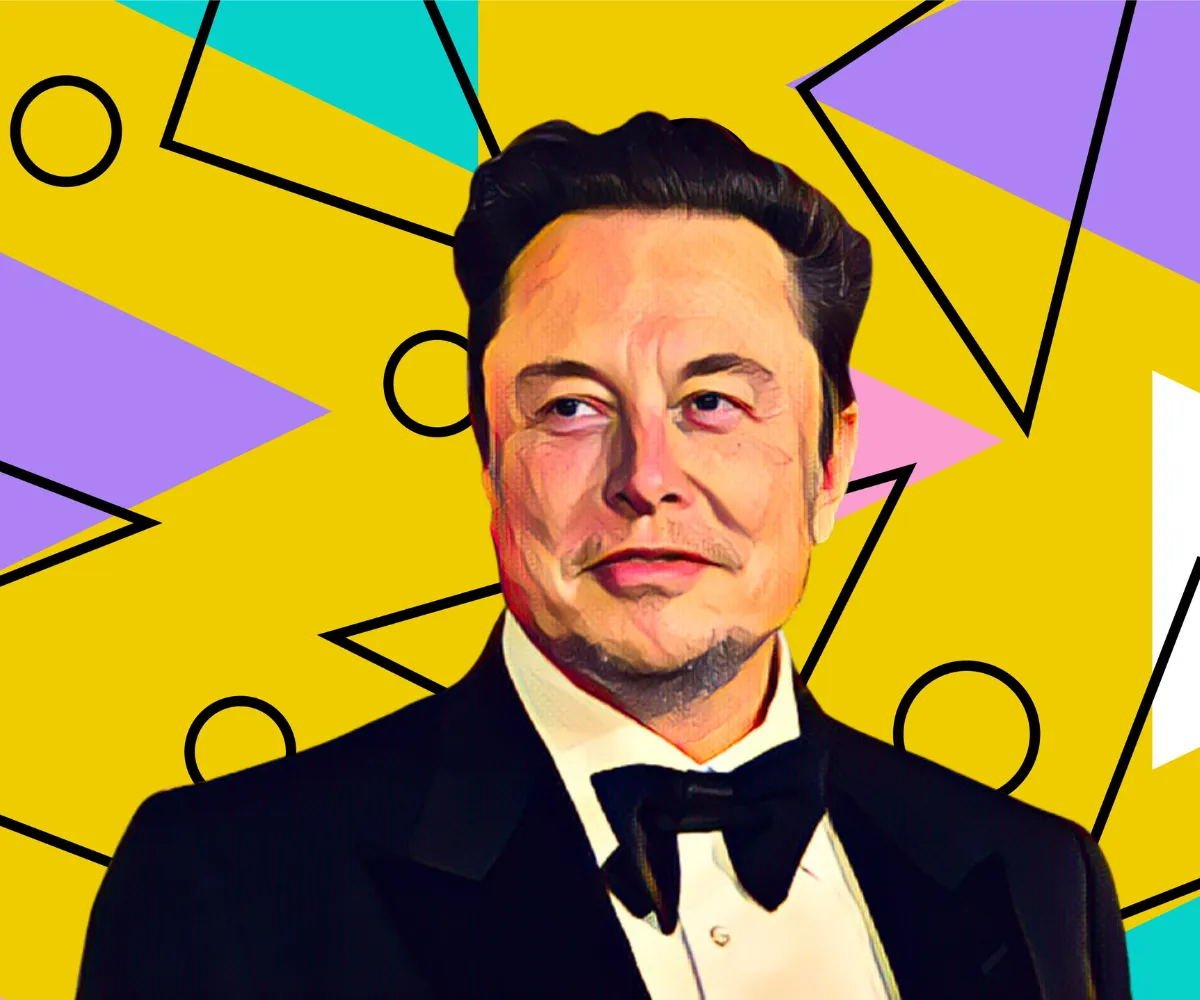
Elon Musk announced Saturday that he is building a $20 billion semiconductor plant in Austin, Texas, jointly run by Tesla, SpaceX and xAI, in a move he framed as an existential necessity rather than a strategic choice.
The facility, called Terafab, was unveiled at a live event held at the defunct Seaholm Power Plant in downtown Austin, where Musk described it as the "most epic chip-building exercise in history by far." Texas Gov. Greg Abbott attended the announcement.
Terafab will be built on the north campus of Tesla's Gigafactory in Austin and is designed to consolidate every stage of semiconductor production under one roof, covering chip design, fabrication, memory production, advanced packaging and testing. SpaceX acquired xAI in an all-stock deal in February, and Musk, who serves as chief executive of all three companies, said the venture reflects a supply problem that none of his existing suppliers can solve at the scale he needs.
"We either build the Terafab, or we don't have the chips," Musk said during the livestream broadcast on X. "And we need the chips. So we build the Terafab."
Terafab is designed to produce two distinct processors. The first is an edge-inference chip, branded AI5, built to run Tesla's Full Self-Driving software, Cybercab robotaxi fleets and Optimus humanoid robots. Small-batch production is targeted for late 2026, with volume output projected for 2027. The second is a radiation-hardened processor called D3, engineered specifically for operation in space, where cosmic radiation and extreme temperatures disqualify conventional chips.
Musk said 80% of Terafab's total compute output would go toward orbital applications, backing SpaceX's stated plan to launch up to one million data center satellites into low Earth orbit. The project targets a terawatt of computing capacity in space annually, and between 100 and 200 gigawatts of terrestrial chip output per year.
He offered no construction timeline and no firm date for when Terafab would begin production. Tesla's chief financial officer confirmed at the event that the project's estimated $20 to $25 billion cost is not included in Tesla's existing 2026 capital expenditure plan, which already exceeds $20 billion.
The announcement landed in a market that has watched Musk promise and delay before. Analysts at Morgan Stanley estimated that building meaningful chipmaking capacity would require between $35 billion and $45 billion in total capital investment. Bloomberg noted that Musk has no background in semiconductor manufacturing, an industry that has humbled companies with far deeper experience. He has previously overpromised on the Hyperloop, a $40,000 Cybertruck price target and fully autonomous driving timelines.
Musk leaned into the skepticism directly at the Austin event. He pointed to critics who said reusable rockets were not economically feasible and that mass-market electric vehicles would not work at scale. Both, he argued, were proved wrong.
Current suppliers including TSMC, Samsung and Micron are not being dropped. Musk said he wants them to expand as fast as they can, but that their maximum expansion rate falls well short of his companies' projected demand. He pegged existing global AI chip output at roughly 20 gigawatts per year and described that figure as approximately 2% of what Tesla and SpaceX will eventually require.