

Table of Contents
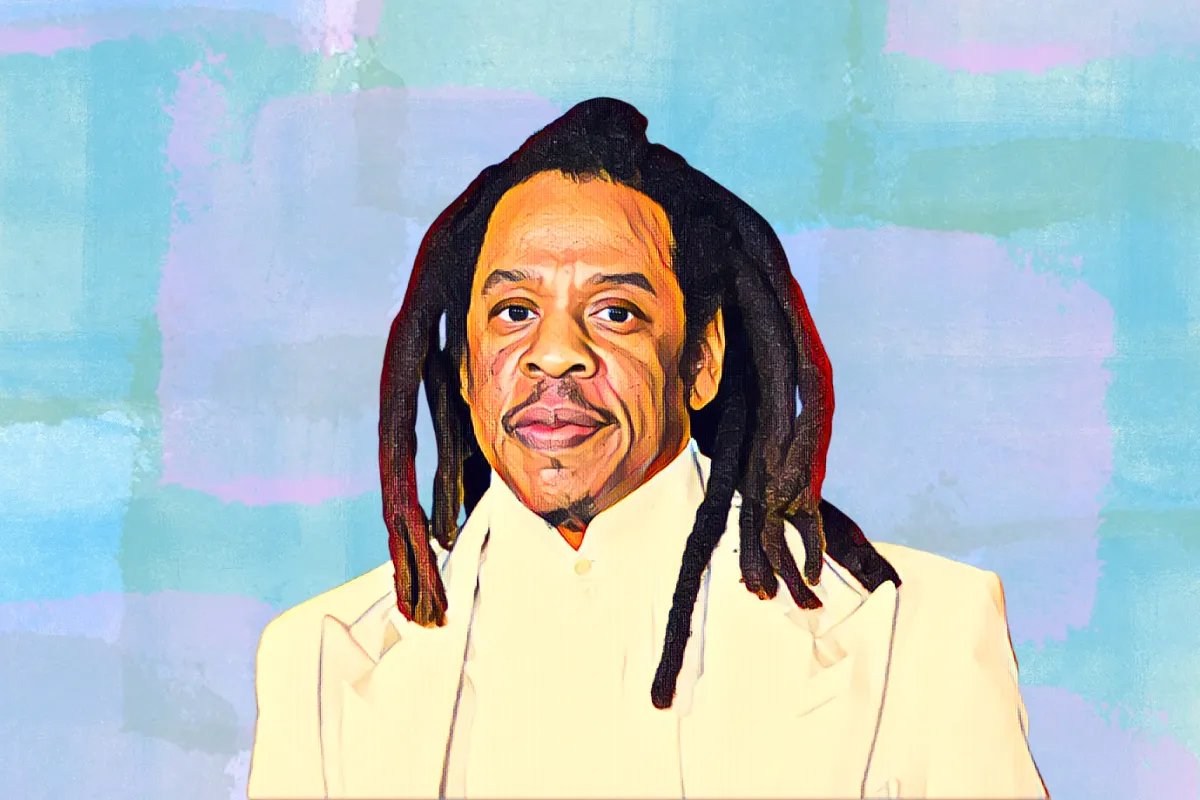
Jay-Z has spent decades mastering reinvention. Rap star, founder, dealmaker, billionaire brand builder. None of that has changed. What has changed, at least in his latest GQ interview, is the tone. This is not the voice of an artist trying to prove he still matters. It is the voice of a man who already knows exactly what he built, what it cost him and what still lies ahead.
The interview arrives at an unusual moment for Shawn Carter. Album cycles and chart wars are not really his frame anymore. He is operating at an altitude where lawsuits, legacy, ownership and fatherhood carry more weight than any single release. The conversation reads less like a celebrity feature and more like a study in how a very successful person thinks about endurance.
Here are seven of the most important takeaways from Jay-Z’s recent GQ interview.
1. The dismissed lawsuit shook him more than he has let on
One of the sharpest moments in the interview came when Jay-Z discussed the sexual assault lawsuit filed against him in late 2024, which was later dismissed with prejudice. He told GQ the experience left him heartbroken and furious.
That matters. Jay-Z has built his public image on control, discipline and near-total emotional composure. In this conversation, that armor looked thinner. He was not performing invulnerability. He was describing real damage, real anger and a clear-eyed awareness of what a public accusation does to a person, regardless of outcome.
His empire runs on trust, brand equity and access. A lawsuit of that nature, even one that collapses in court, does not land softly.
2. He says he is done playing defense
Jay-Z used language that suggested he views this period as a turning point. He described the past stretch as a defensive phase and said he was ready to go "all offense."
He has said versions of this before, but the pattern behind it is real. Early industry rejection pushed him toward independence. Business disputes made him tighten his ownership structures. Competitive pressure in music forced sharper reinvention. This interview suggests the same playbook is running again. He is not talking like someone looking back. He is talking like someone about to move.
3. He held back new music on purpose
Jay-Z said he has not released new material because the emotional state he was in would have produced an angry album, and he did not think that would serve him.
That is a more disciplined position than most artists take. The common instinct is to turn pain into output as fast as possible. Jay-Z appears to be doing the opposite, waiting until the emotion behind the work becomes something more useful than raw reaction. Not every feeling needs to become content. Not every provocation deserves a response. In his case, restraint is part of the brand.
4. He still credits early rejection for everything
He returned to the founding story again: no label wanted Reasonable Doubt on his terms, which pushed him toward building Roc-A-Fella independently rather than taking whatever deal was offered.
That origin point keeps coming up in his interviews because it functions as the load-bearing explanation for everything that followed. Being shut out of the traditional system forced him to think like an owner from the start. It was not just a setback he overcame. It was the condition that created the person. The lesson he draws from it is not complicated: the door that stays closed sometimes forces you to build the better building.
5. He is uneasy about what rap beef has become
Jay-Z did not reject competition as a concept. He acknowledged that battling is foundational to hip hop. What disturbed him was the collateral damage now attached to rap conflict, specifically the way families and children get pulled into disputes that play out in front of millions of algorithmically amplified strangers.
He came up in a harder era of direct competition and understands lyrical warfare as well as anyone alive. What he seems uncomfortable with is the social media mechanics that now surround it, the attention economy that turns an artistic rivalry into a weeks-long harassment event. His comments were not really about any specific feud. They were about what the format has become.
6. Fatherhood is now part of how he defines success
He spoke with real warmth about watching Blue Ivy develop as a performer, and more broadly about family as a measure of what he has actually built.
Early in his career, Jay-Z spoke almost entirely in the language of acquisition and dominance. That framing has not disappeared, but family sits alongside it now. At this stage, legacy does not appear to mean only what he accumulated. It also means what his children are watching, what he is passing on and what version of himself he is modeling for them. The ambition looks more settled for it, not smaller.
7. The deepest theme is ownership of self
If one idea holds the whole interview together, it is self possession. GQ editor Will Welch noted separately that Jay-Z once told him: "I walk into every room as myself."
That line may be the cleanest summary of what has made him durable. He is not simply a wealthy rapper or a successful businessman. He is a public figure who has spent decades turning identity into leverage while refusing to let any institution, label, court or cultural moment fully write his story for him.
That is the business lesson underneath all of it. Ownership is not only about equity stakes. It is also about narrative control, timing, restraint and the discipline to keep showing up as the same person when the pressure to become someone else is at its highest.