


Table of Contents
A record year for Kenya's listed banks is translating into record dividend cheques for the country's most powerful investors, with a combined Sh5.75 billion set to flow to top shareholders after stronger earnings pushed lenders to raise their distributions sharply.
The payouts land after most of Kenya's largest banks reported improved profitability for the year ended Dec. 31, 2025, supported by lower funding costs, resilient loan books and tighter cost control. The result is a dividend season that has reinforced the appeal of banking stocks on the Nairobi Securities Exchange and sent substantial cash to the families and executives who built the largest stakes in these institutions.
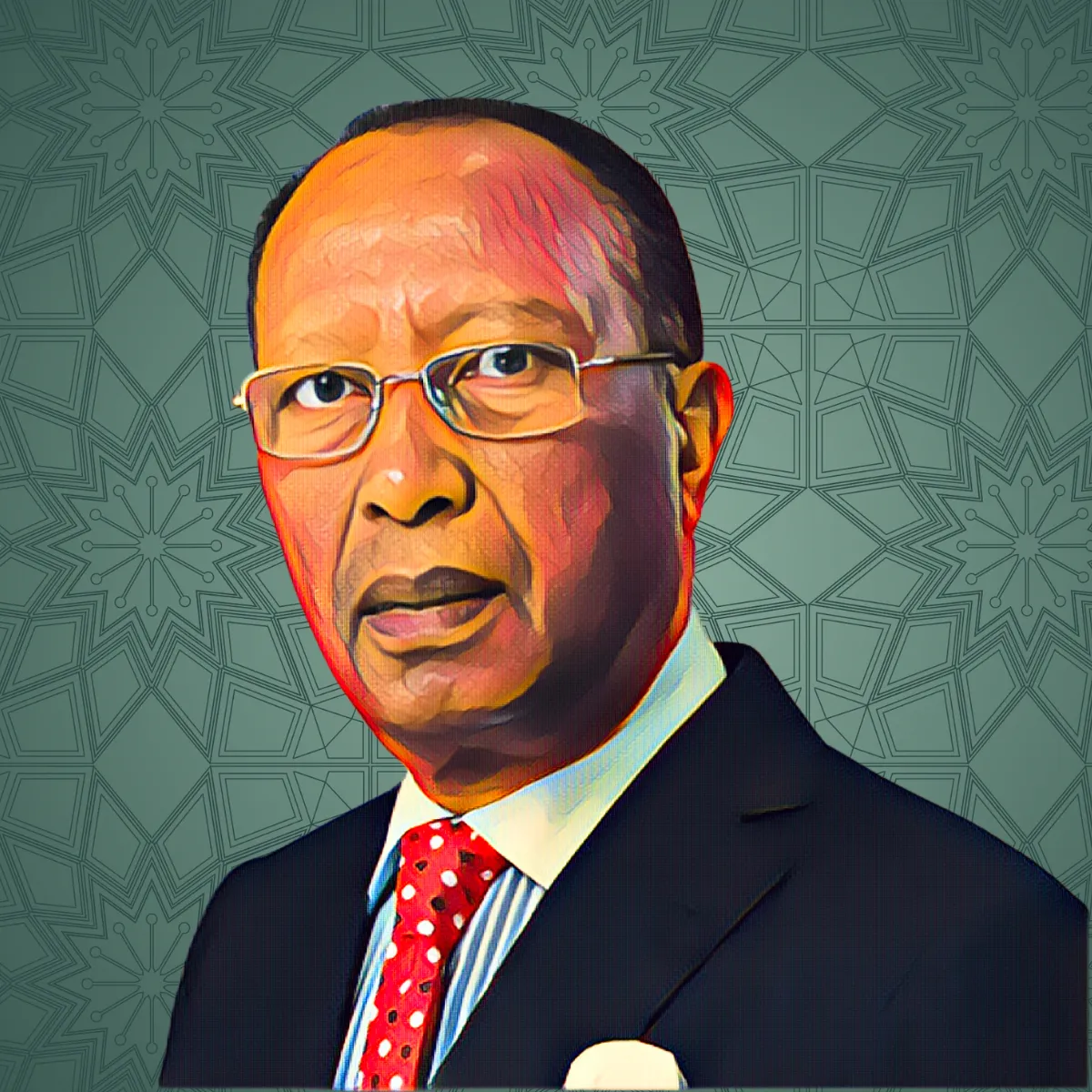
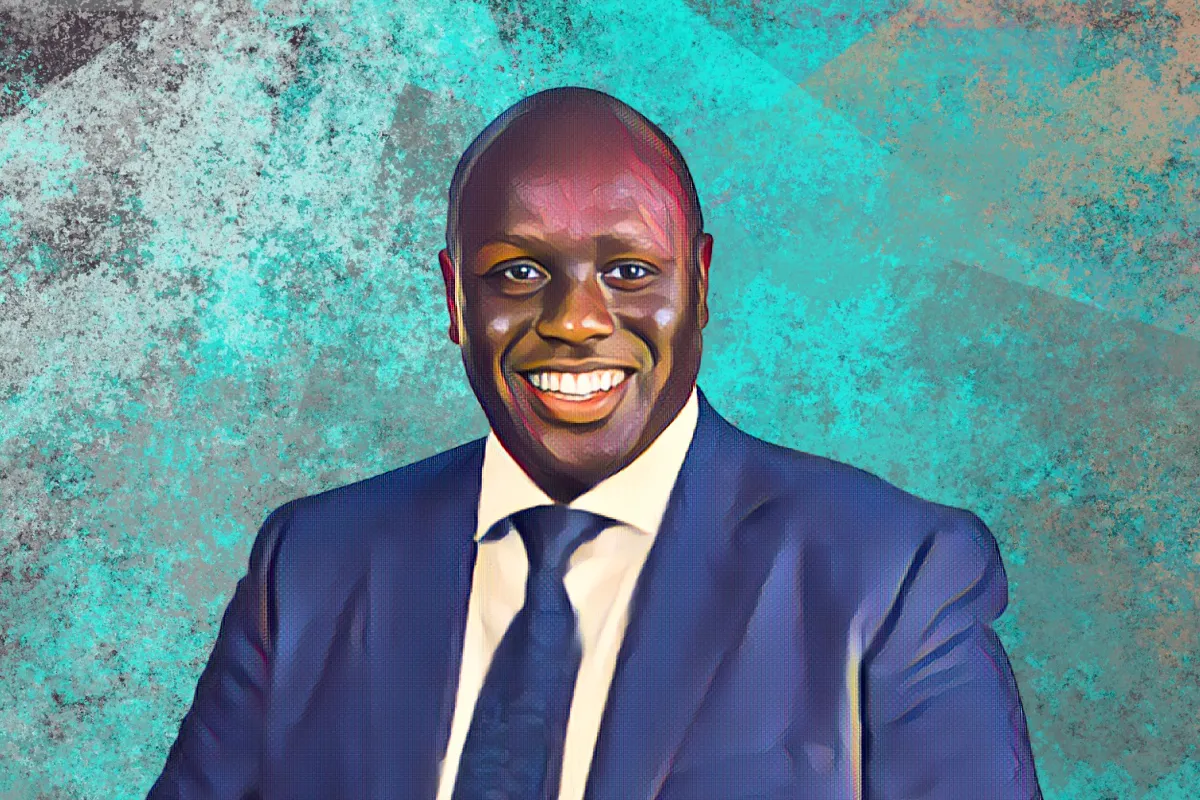
James Mwangi stands to collect the biggest individual payout of the group highlighted in available reports. The Equity Group chief executive will earn approximately Sh734.9 million from his 127.8 million shares after Equity raised its annual dividend to Sh5.75 per share, up from Sh4.25. Equity reported a 54.6% jump in net profit to Sh71.9 billion, with total dividends for the year rising to Sh21.7 billion. Mwangi's dividend income climbed sharply from the previous year, driven by both the bigger profit base and the board's decision to distribute more of it.
At NCBA, the numbers are even larger when family stakes are counted together. Chairman James Ndegwa is in line to receive Sh543.1 million on 76.5 million shares, while his brother Andrew Ndegwa will collect Sh550.9 million on 77.6 million shares after NCBA lifted its dividend to Sh7.1 per share from Sh5.5. The wider Ndegwa family position, held through First Chartered Securities Limited, will generate about Sh1.74 billion on 246.1 million shares. The Jomo Kenyatta family, holding through Enke Investments Limited, is set to receive approximately Sh1.54 billion on 217.4 million shares.
Those figures make NCBA central to Kenya's dividend story this season. The bank has consistently rewarded shareholders as profitability has improved, and this year's increased distribution continues that trend.
I&M Group rounds out the top tier. Founder and director Suresh Shah will earn Sh656 million after the lender raised its dividend to Sh3.75 per share from Sh3. When payouts to Sarit Shah and Sachit Shah are added, the wider Shah family will receive a combined Sh936.3 million. I&M has now raised its dividend for five consecutive years after net profit rose to Sh18.8 billion.
The dividend wave is not confined to the biggest names. Family Bank said it doubled its total dividend payout to Sh2.2 billion after full-year net profit rose 55.4% to Sh5.37 billion, ahead of its planned NSE listing in May. That a smaller bank is following the same upward trajectory shows the pressure to return cash to shareholders is spreading across the sector rather than concentrating only among the largest lenders.
Taken together, the payouts are more than Sh1.1 billion higher than the previous year, a gap that reflects both stronger bank profitability and a willingness by boards to pass a larger share of those gains directly to shareholders through cash distributions.
There is a broader market signal embedded in these numbers. When multiple major lenders raise dividends in the same cycle, they are doing more than rewarding insiders. They are making a collective argument for banking stocks as income-generating assets at a time when investors are comparing returns across equities, fixed income and property. Equity's sharp earnings growth, I&M's fifth consecutive dividend increase and Family Bank's doubled payout all point in the same direction.
Kenya's listed banks have been working through a difficult operating environment. High interest rates, cautious lending in some segments and uneven economic activity have tested margins. The latest results suggest many of them have managed to protect profitability and efficiency enough to keep both earnings and distributions moving higher despite those headwinds.
What the dividend season makes visible, above all else, is where the gains flow first when bank profits rise. The ordinary retail investor will receive a larger payout per share. The real windfalls, however, go to the families, founders and executives who assembled the biggest positions over years and decades. In this cycle, Kenya's bank earnings boom has once again converted strong lender results into billions of shillings flowing directly to the country's wealthiest shareholders.