


Table of Contents
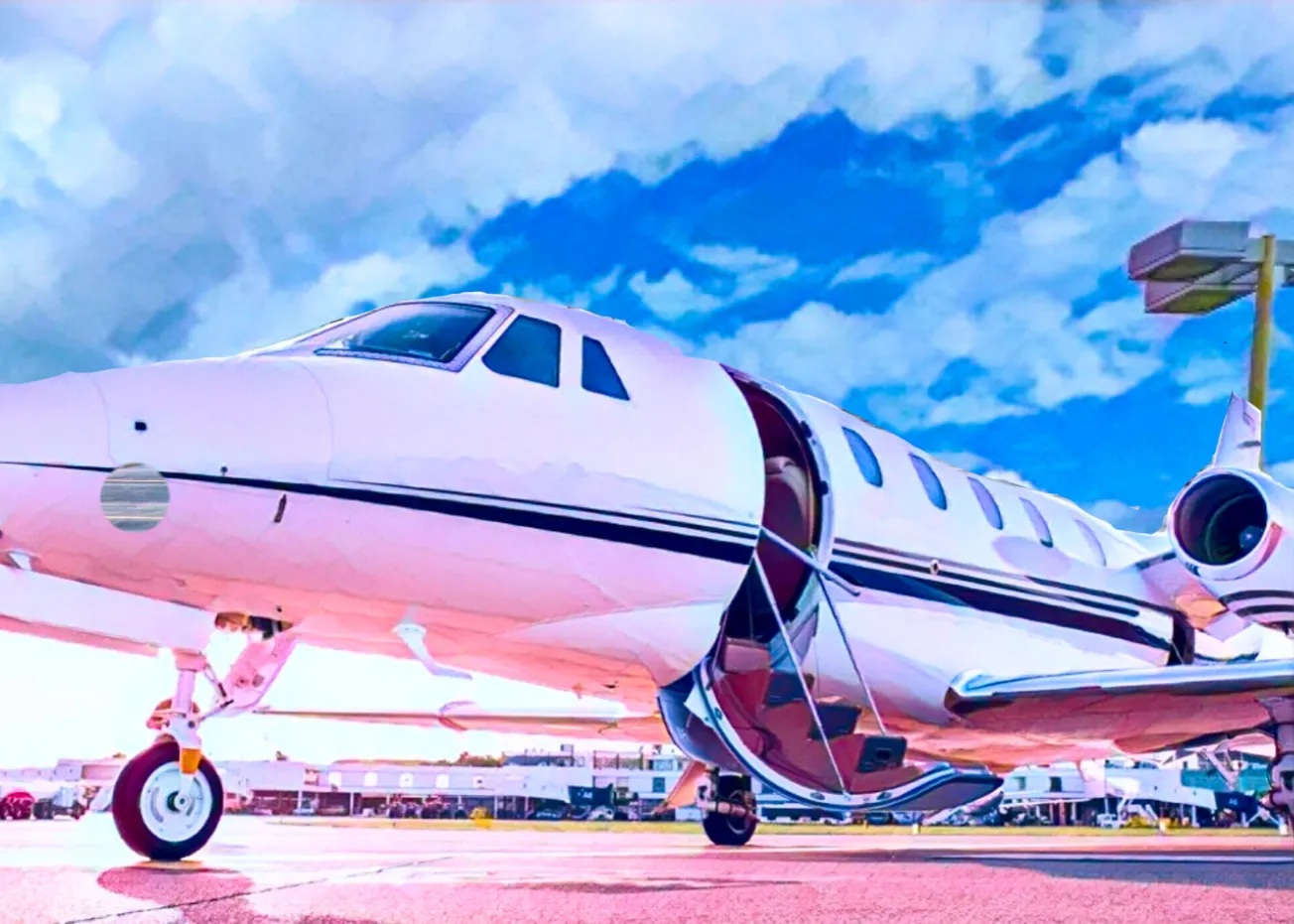
A private jet from Dubai to Istanbul now costs as much as $160,000, more than double what the same flight cost before the Middle East conflict began, as surging fuel prices, war-risk insurance premiums and airspace closures pile new costs onto every departure from the Gulf region.
Adel Mardini, chief executive of Dubai-based private aviation group Jetex, said in an interview with Khaleej Times that prices on some routes have more than doubled as operators absorb a cascade of additional costs triggered by the conflict. The $160,000 figure applies to flights operated in the current environment, where jet fuel costs, insurance surcharges and the logistics of navigating closed or restricted airspace have all moved sharply higher simultaneously.
The numbers illustrate how thoroughly the Middle East crisis has upended private aviation economics. Before the conflict began on February 28, a typical light jet carrying six passengers from Dubai to Istanbul cost around $50,000. A larger aircraft able to transport up to 15 passengers ran about $110,000. Both prices have roughly doubled, with some operators reporting quotes as high as $200,000 depending on aircraft size, departure point and routing complexity.
Jet fuel is the starting point for the surge. Prices at the US Gulf Coast have climbed to $4.12 per gallon, a four-year high. Globally, jet fuel has risen more than 60% since late February, moving from around $87 to between $150 and $200 per barrel in some markets. Fuel accounts for between 20% and 30% of an airline's operating costs under normal conditions. At current prices, those ratios have been completely disrupted.
War-risk insurance has compounded the pressure. Premiums for flights operating near Iranian, Iraqi and surrounding airspace have risen by anywhere from 50% to 500% depending on the route and insurer. Some policies have been withdrawn entirely, forcing operators to source cover from a shrinking pool of underwriters willing to price Gulf region exposure.
Then there is the airspace problem. Large portions of the Gulf Flight Information Regions have been closed or restricted since the conflict began. Airlines and private operators have been forced to reroute, with detours adding 300 to 800 nautical miles to some journeys and extending flight times by up to two hours. Every additional flight hour costs between $6,000 and $7,500 in direct operating costs, according to aviation analysts. On a long-haul sector, rerouting alone can add $60,000 to the cost of a single flight.
Istanbul has emerged as the most sought-after destination from the Gulf, largely because of its geographic accessibility from alternative routing corridors and its position as a connection point to Europe. Operators say demand spiked immediately after the conflict began, with some broker platforms receiving requests every few minutes in the opening days. Charter demand across the region is estimated to have risen by more than 200%.
Commercial aviation has borne the brunt of the disruption. Emirates, Qatar Airways and Etihad collectively suspended or severely rerouted hundreds of flights. More than 20,000 cancellations were recorded across major Gulf hubs in the first weeks of the conflict. That left passengers with deep pockets turning to private charter as one of the few reliable options for leaving the region quickly.
Even private operators have not been able to fully meet demand. Aircraft availability has been constrained by the same permit requirements, crew duty limitations and airspace restrictions affecting commercial carriers. In several cases, passengers drove across the border into Oman and departed from Muscat, where airspace remained more navigable, adding road time and additional cost to already expensive journeys.
For the ultra-wealthy and for corporations needing to move executives or staff, the $160,000 price tag has been acceptable in the context of the alternatives, which for a period included staying put. For the broader market of business travellers and high-net-worth individuals who have used private charter as a premium convenience rather than a necessity, the numbers represent a different calculation entirely.
Mardini's comments via Jetex reflect a broader reality now facing the region's private aviation sector: a market shaped by conflict-driven economics, where the cost of getting out has become a direct function of how close you are to the fighting and how quickly you need to move.