

Table of Contents
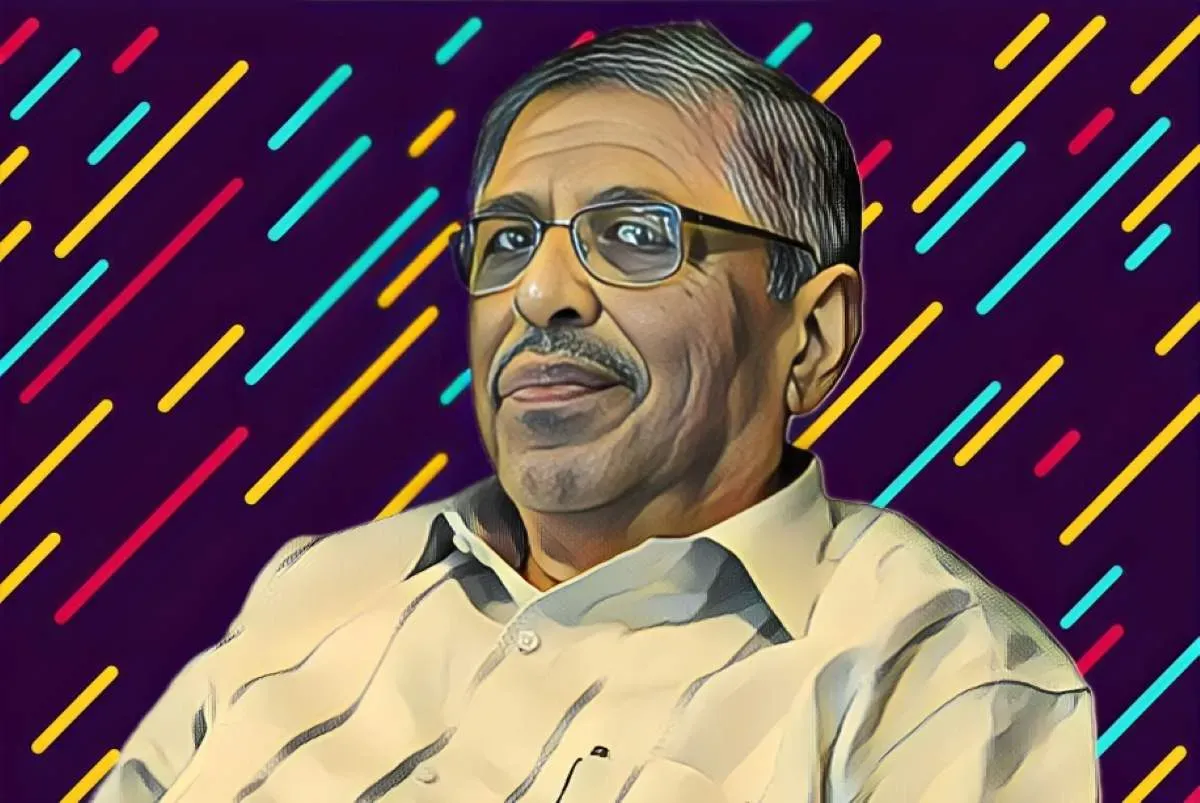
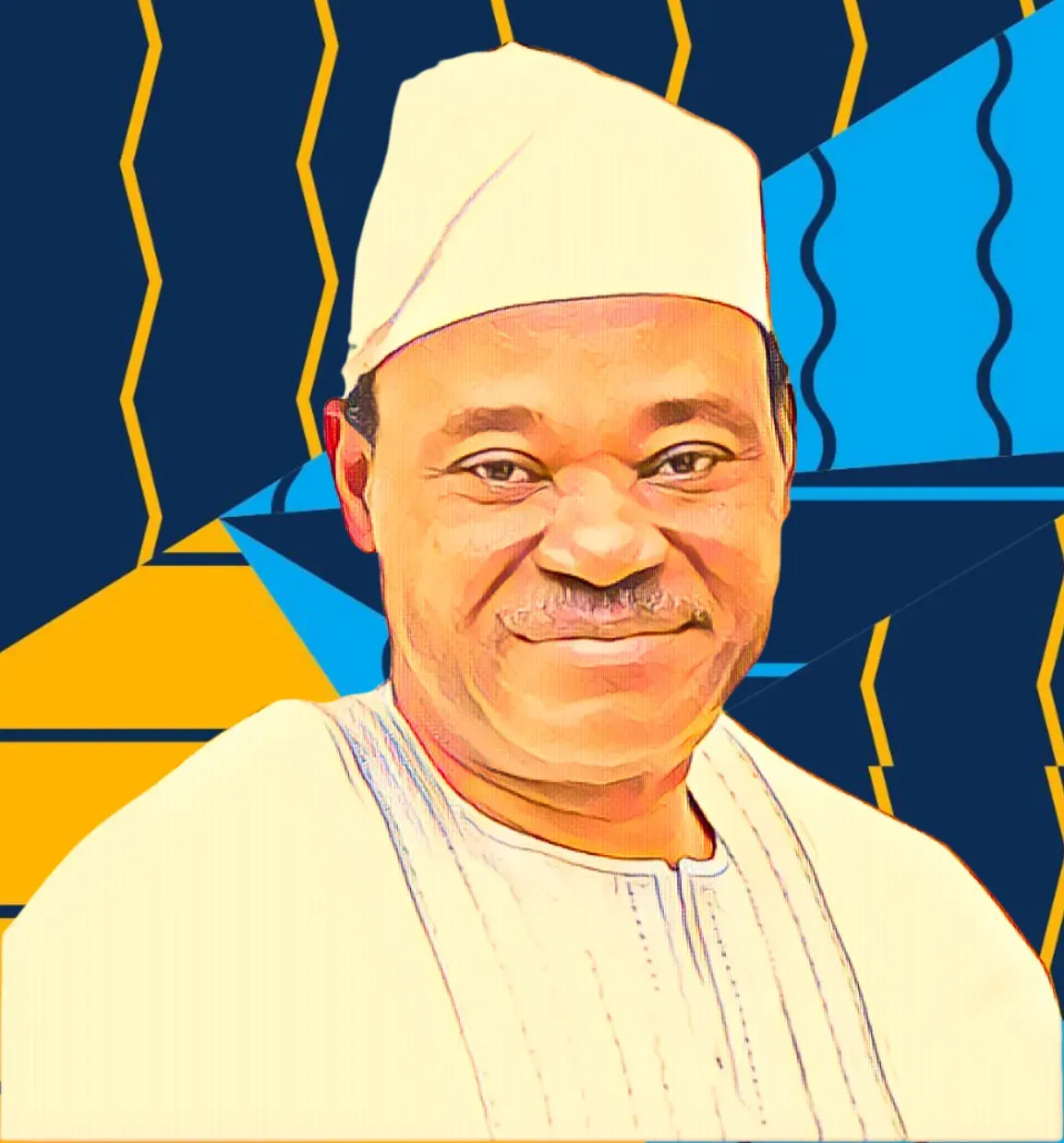
Belayneh Kindie Mekonnen started with less than $1,000 in capital, trading butter and honey in the Ethiopian highlands. That was roughly three decades ago. Today, his Belayneh Kindie Group (BKG) operates 22 companies, employs thousands of workers and generates billions of birr in annual revenue across agriculture, industrial manufacturing, hospitality and transport.
His rise tracks closely with Ethiopia's own economic transformation. As the country pushed to diversify exports and reduce dependence on imported goods, Kindie positioned himself at the center of that shift. His flagship export business became Ethiopia's largest shipper of sesame seeds by 2010. His industrial complex in Bure is now among the biggest edible oil producers in East Africa. And his vehicle assembly plants are rolling electric buses off the line for Addis Ababa's public transit system.
At a time when much of the conversation around African business focuses on tech founders and fintech unicorns, Kindie represents a different template: an industrialist building hard infrastructure in agriculture, manufacturing and logistics. Here are nine of his most significant companies.
1. BK Import and Export
Founded in 2005, this is the company that started it all. Kindie launched the business with startup capital of about $111,000 (3 million Ethiopian birr at the time), focused on exporting sesame seeds, pulses and coffee. By 2010, it had climbed to the top of Ethiopia's sesame export market, commanding roughly 10 percent of the country's sesame oilseed shipments. The company has generated more than $600 million in cumulative revenue since its founding. It remains the financial engine of the entire group.
2. Belayneh Kindie Private Transport (BKPT)
Kindie entered the logistics business in 2006 with just six 40-ton trucks. The operation was built to support his growing export trade, moving agricultural goods from farms to processing facilities and ports. The fleet has since grown to more than 100 heavy-duty trucks, split between dry cargo vehicles and fuel tankers with 45,000-liter capacity each. In a country where transport infrastructure remains a persistent bottleneck, BKPT fills a critical gap in the supply chain.
3. Gerelta Business PLC
Established in 2008, Gerelta Business PLC was created to expand and strengthen the group's import and export operations. The company handles procurement and trade logistics, functioning as a commercial arm that complements BK Import and Export. It broadened the group's reach into new commodity categories and trade corridors, giving BKG more control over pricing and distribution.
4. Ethiopia Hotel and Ras Hotel (Hospitality Division)
In 2009, Kindie acquired two historic properties through a government privatization auction: Ethiopia Hotel in central Addis Ababa and Ras Hotel in the city of Adama, about 100 kilometers southeast of the capital. The combined acquisition cost was 134 million birr. Ethiopia Hotel, originally built in 1963 to host delegates at the formation of the Organization of African Unity, has 110 rooms. Ras Hotel has 68 rooms and is currently being upgraded to four-star status. BKG has plans to redevelop the Ethiopia Hotel site into a high-rise mixed-use complex featuring a five-star hotel, retail, offices and apartments.
5. Phibela Industrial Complex (Bure)
This is arguably the crown jewel of BKG's industrial ambitions. Located in Bure, about 441 kilometers north of Addis Ababa, the complex was built with an investment of 4.5 billion birr. Its edible oil refinery processes 1,500 tons of refined palm and sunflower oil daily. The facility also houses a sesame oilseed processing plant, a soap and detergent factory with 100-ton daily capacity, and units producing vegetable butter, margarine and plastic containers. Prime Minister Abiy Ahmed inaugurated the complex, which employs over 3,000 people. It has significantly reduced Ethiopia's reliance on imported cooking oil.
6. Golden Bus S.C.
Established in 2017, Golden Bus S.C. was created to fill a gap in Ethiopia's public transport sector. The company operates a fleet of Golden Dragon luxury buses, offering an elevated alternative to the country's often overcrowded transit options. What started as a 20-bus operation has since grown into a recognized name in intercity and urban passenger service. The venture also laid the groundwork for BKG's deeper partnership with China's Xiamen Golden Dragon Bus Co., a relationship that dates back to 2014.
7. BK Metal Engineering Complex (Gelan)
Completed in 2019 with an initial investment of 900 million birr, this 23,000-square-meter facility near Gelan in the Oromia region assembles heavy trucks and buses. The plant has capacity to produce 720 vehicles per year and has assembled more than 1,200 units to date, including IVECO trucks and Golden Dragon buses. In early 2025, BKG delivered 100 locally assembled electric buses to the Addis Ababa Bus Rapid Transit system, making Kindie a key player in Ethiopia's push to replace 95 percent of fuel-powered vehicles by 2035.
8. Phibela Debre Berhan EV Assembly Plant
Built at a reported cost of approximately 3 billion birr, this factory in Debre Berhan city represents BKG's biggest bet on electric mobility. The plant assembles electric minibuses, light buses and city buses, with an annual production target of 1,000 vehicles. A modern 7-hectare factory completed in 2023 in partnership with Golden Dragon achieved mass production of electric knock-down kits by 2024. The facility has created 200 technical jobs and aims to train more local engineers within three years. It is the first large-scale electric vehicle manufacturing operation in East Africa.
9. BKG Commercial Farms
Kindie controls more than 19,000 hectares of farmland spread across multiple regions in Ethiopia, through operations including BK Yirt Valley Farm, BK Jawi Farm and PhiBela Guba Farm. The farms produce coffee, sesame, sunflower, soybean and other cash crops, supplying raw materials both to BKG's own processing facilities and to the export market. The agricultural division closes the loop on Kindie's vertically integrated model: his farms grow the crops, his factories process them, his trucks move them, and his export arm ships them abroad.