


Table of Contents
Good morning from Billionaires.Africa.
Here is a brief on what we published over the weekend.
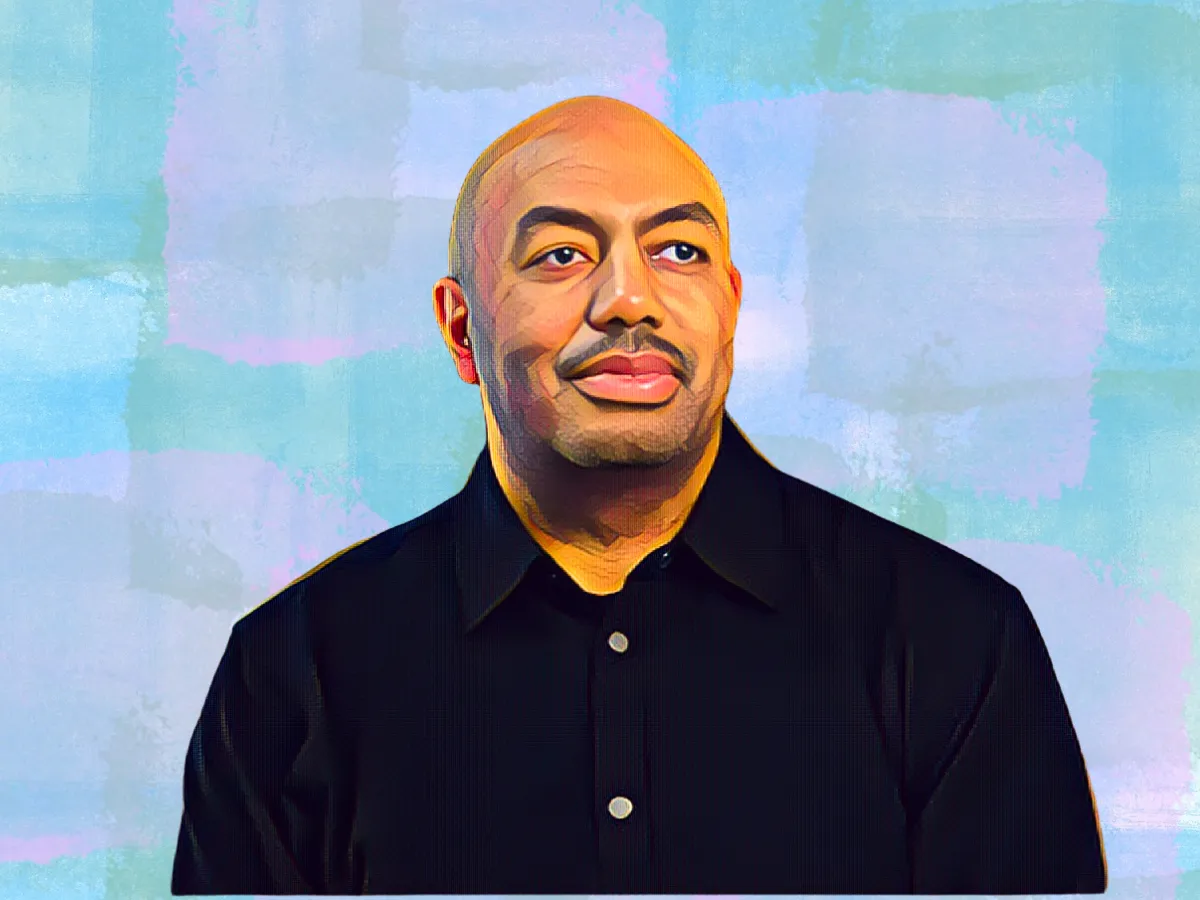
Most people had never heard of Nathan Kirsh before Sysco agreed to buy his Jetro Restaurant Depot for $29.1 billion. Now he is Africa's second richest person at $17.1 billion — richer than Johann Rupert, richer than Abdulsamad Rabiu, richer than Nicky Oppenheimer. We published the full story of how a 94-year-old Lithuanian-descended Jewish businessman from Potchefstroom lost nearly everything in a South African real estate collapse in the 1980s, left the country with a single Brooklyn grocery store, and spent 50 years building it into the largest cash-and-carry wholesale operation in the United States without giving a single interview.
Also over the weekend, Morocco's Anas Sefrioui saw Addoha post a 70 percent net profit rise, and a Zimbabwean developer unveiled the country's first 30-year mortgage project.
Top Stories
Meet Nathan Kirsh: Africa's new second richest man Born in 1932 in Potchefstroom. Built and lost a South African wholesale empire by 1986. Kept one Brooklyn store — Jetro — and turned it into 166 locations across 35 US states, $16 billion in revenue and 30 consecutive years of EBITDA growth. Forbes now puts him at $17.1 billion. The only African richer is Dangote.
North Africa
Sefrioui's Addoha posts 70% net profit rise to 516 million dirhams The Moroccan property developer's turnaround continues with tighter project selection and improved execution across Morocco and West Africa — welcome news for a billionaire whose fortune fell $300 million last year.
Southern Africa
WestProp unveils Chivhu Eco City — 5,000 hectares with Zimbabwe's first 30-year mortgages A 20,000-property development that would introduce the longest mortgage terms in Zimbabwean history, betting on a housing market that has operated almost entirely on cash for decades.
West Africa
Atiku Abubakar hires Washington lobbying firm for $1.2 million The former Nigerian vice president engaged Von Batten-Montague-York to counter government narratives and build US policy standing ahead of the 2027 election cycle.
This week's Investor Memo is due today. Last week's memo and March deliverables remain available for subscribers:
→ Investor Memo: South Africa's Fuel Reckoning