

Table of Contents
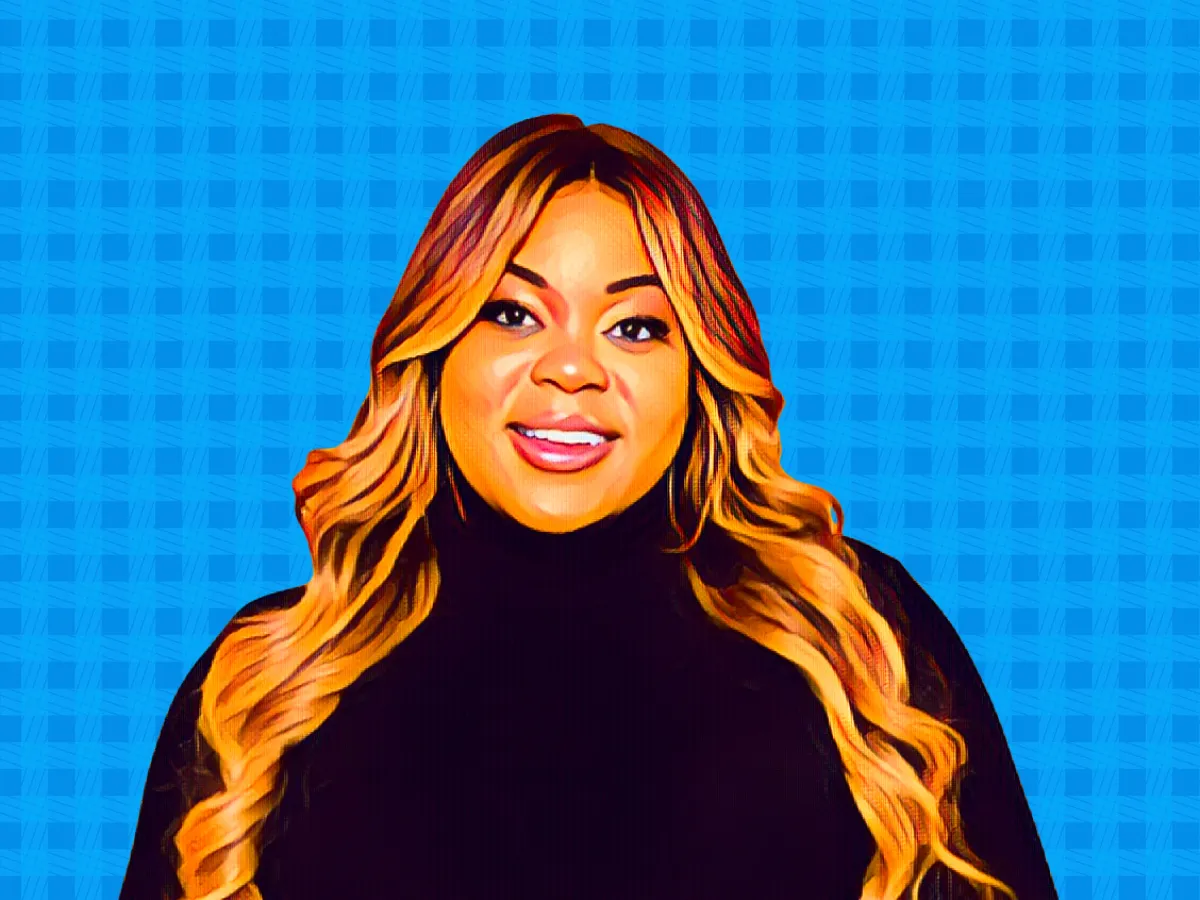
Angelica Nwandu built The Shade Room from nothing. She lost her job as an accountant, started a celebrity news page on Instagram in March 2014, and watched 10,000 people follow it within ten days. Twelve years later, the platform has 28.7 million followers, is the No. 1 source of political content on Instagram, and has received acquisition offers worth more than $100 million. She has turned all of them down.
Nwandu, a Nigerian-American entrepreneur whose parents emigrated from Nigeria to Los Angeles, explained her reasoning in a recent appearance on the "On Par with Maury Povich" podcast. The answer was straightforward.
"It's because of the community that I have and that we serve. I really love them. I'm really protective over where they'll go," she said.
What made the decision more complicated than a simple refusal of money was the nature of the buyers. Nwandu revealed that the offers tended to arrive during election years, specifically 2020 and 2024, and that the motivation was often explicitly political.
"Because a lot of times when the offers would come, it would be during an election year," she said.
When Povich asked whether potential buyers intended to shift the platform toward partisan purposes, she confirmed it directly: "Exactly."
The logic for would-be buyers was not difficult to understand. The Shade Room's audience is overwhelmingly Black. Its followers, many of them young, are active and engaged. The platform has positioned itself as the No. 1 source of political content on Instagram in the last 30 days of activity, by Nwandu's own account. Acquiring it in an election cycle would have meant purchasing direct access to one of the most concentrated and politically significant audiences in American digital media, which she refused to sell.
From foster care to Instagram's most influential page
Nwandu's backstory is unusually stark. She was born in Los Angeles in 1989 to Nigerian immigrant parents. When she was six years old, her father murdered her mother. She grew up in the foster care system. She graduated from Loyola Marymount University with a degree in accounting, worked briefly toward her CPA certification, and then shifted direction entirely. She enrolled in screenwriting classes, won a fellowship at the Sundance Institute, and earned a Time Warner HBO fellowship. She was pursuing screenwriting when the accounting job she held to support herself fell through. The Shade Room, started as a side project to build an audience for her creative work, became the main event.
Within a year of launching, celebrities were following and commenting on the page, which drove engagement higher. Tami Roman, a reality television personality with a large Instagram following of her own, amplified the page early on. By 2016, Time magazine had named TSR one of the 30 most influential accounts on the internet. Forbes named Nwandu to its 30 Under 30 list in media the same year, saying she had revolutionised celebrity gossip. The New York Times called The Shade Room "Instagram's TMZ." Refinery29 called Nwandu "the Oprah of her generation."
TSR now runs across Instagram, Snapchat, TikTok, YouTube and its own website. It has a sister page, TSR Teens, targeting younger audiences. The platform operates with a team of approximately 20 staff based in Los Angeles. Revenue comes from a mix of programmatic advertising, agency deals and promotional partnerships, with a significant portion coming from Black-owned small businesses, which Nwandu has made a deliberate priority. She has won two BET Awards. In 2021, she bought a five-bedroom home in Sherman Oaks in the San Fernando Valley for $3.4 million.
Why she kept it
Beyond the political buyers, Nwandu also disclosed that the offer pool included celebrities. Some of the figures featured on The Shade Room's coverage had explored acquiring it, in some cases by gathering investors together to make a joint bid.
She rejected those approaches on the same grounds she rejected the political ones. "If someone bought it out, they would change it up completely. And to me, like I didn't want to do that," she said. The concern was consistent: outside ownership would reorient the platform away from the community it was built around and toward the interests of whoever was writing the cheque.
The "Roommates," as TSR's followers call themselves, are central to how Nwandu frames the business. She has described the platform as a community rather than simply a media outlet, and the refusal to sell reflects that framing. A $100 million exit would have ended her ability to control what that community is exposed to, who shapes it, and whose interests it serves.
Nwandu has not ruled out a future transaction on her own terms. But the record so far is a series of nine-figure offers declined to protect a Black audience that, in election years particularly, has become one of the most commercially and politically coveted media assets in the United States.