

Table of Contents
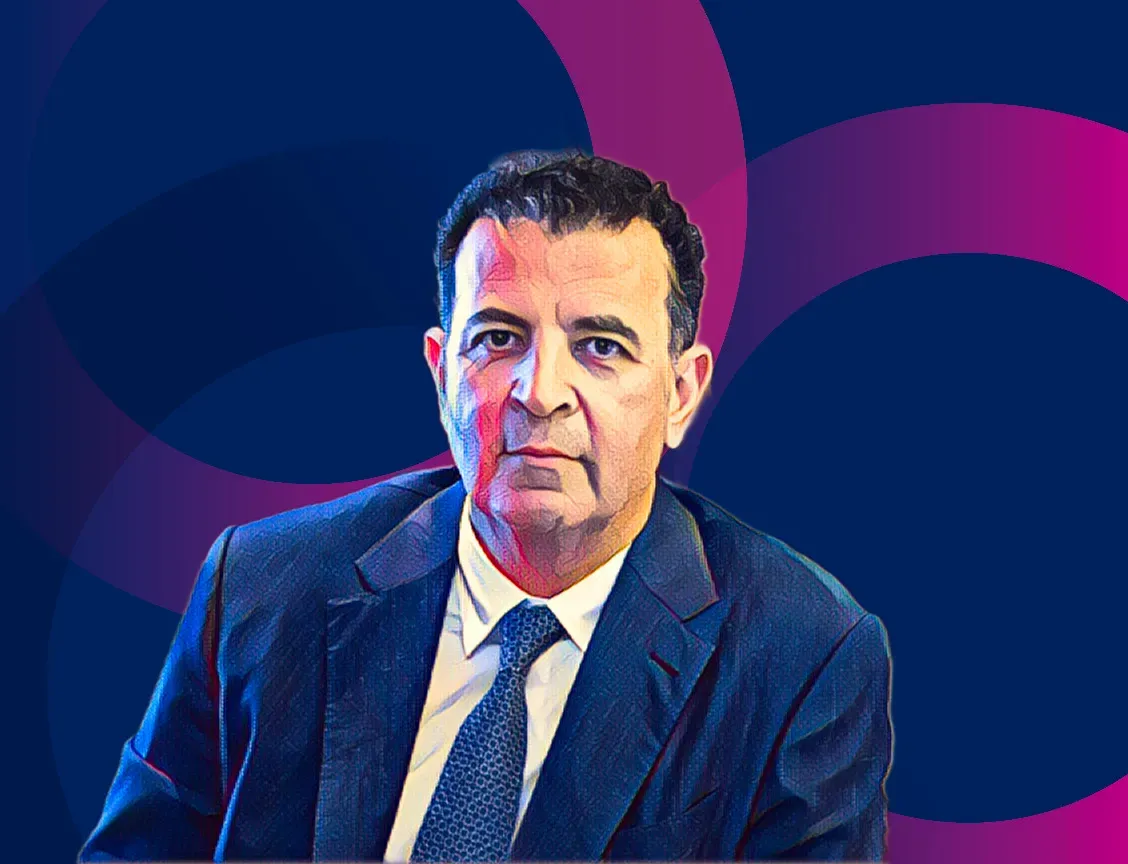
Morocco’s top business lobby is warning that the war in the Middle East is no longer a distant geopolitical crisis for local companies. It is now feeding directly into shipping delays, higher raw material prices, tighter cash flow and growing strain across supply chains, according to Chakib Alj, president of the General Confederation of Moroccan Enterprises, known as the CGEM.
In an interview published Monday by Medias24, Alj said Moroccan businesses have been absorbing a succession of shocks since the start of the year. He pointed to port congestion in recent months, rising energy and transport costs, and longer maritime delivery times as operators reroute around conflict zones. He said the combined pressure is beginning to hit companies from several directions at once, with logistics problems and cost inflation landing at the same time.
Alj said one of the biggest problems is working capital. Companies are having to order further in advance because maritime rotations are taking about 20 extra days, forcing them to hold larger safety stocks to avoid running out of inputs. At the same time, those inventories are becoming much more expensive. He told Medias24 that prices for plastics and chemical inputs have climbed between 40 percent and 60 percent, caustic soda has tripled and sulfur prices have risen sevenfold. In practical terms, he said, firms are carrying stock worth two or three times more than before without changing their business model.
That pressure is spilling into public contracts as well. Alj said companies working on government tenders are being squeezed by a double penalty. Their costs are rising sharply, while delays tied to international supply disruptions are exposing them to late penalties on projects. He described that situation as unsustainable and said the burden is falling on businesses even when those delays are outside their control.
The CGEM is now asking the Moroccan government and the banking sector for emergency support. Alj said the business federation plans talks with banks, including the Professional Group of Banks of Morocco, to redirect credit lines toward working capital financing. He also said Tamwilcom, the state backed guarantor, should strengthen guarantees on those facilities. On public procurement, he called for a rapid government circular to suspend or cap late penalties during the crisis and to recognize international supply disruptions as a force majeure event.
Shipping remains one of the clearest pressure points. Alj said maritime transport is facing a two sided squeeze from a shortage of available containers and congestion on sea routes, resulting in steep price increases and significant delays. He said the disruptions are also generating port storage charges that companies did not plan for and that are not properly regulated under current crisis conditions.
His response was not limited to short term relief. Alj said Morocco should establish a crisis management protocol between port operators and the National Ports Agency to define how storage charges are handled and capped during periods of serious disruption. He also called for faster port operations, including the use of sample based inspections for trusted companies instead of systematic checks, arguing that such steps could ease congestion. Looking further ahead, he said Morocco should begin a strategic discussion about building national container production capacity as the country expands its network of world class ports.
The warning comes at a time when the government has already revived support for transport operators facing higher fuel prices. Alj welcomed that step but said diesel support covers only part of the cost burden. Trucking companies are also dealing with higher prices for tires, lubricants and spare parts, he said, and need broader support that reflects the realities of the sector while also protecting purchasing power and keeping inflation in check.
Alj said the effects of the conflict are not confined to one industry. If the war continues, he said, the damage will eventually spread across the full range of production chains. That warning is significant in Morocco, where manufacturers depend heavily on imported inputs and predictable shipping schedules to keep factories and distribution networks running. His message to business leaders was that Moroccan companies have shown resilience through earlier shocks, including the Covid 19 pandemic and the war in Ukraine, but that repeated crises are becoming harder to absorb without policy action.
He also used the moment to push for longer term changes in energy use. Alj urged Moroccan companies to treat the current crisis as an incentive to reduce energy dependence by investing more heavily in renewable power at their production sites. He said that will require the government to finally publish a long awaited implementing decree allowing medium voltage power distribution through concessionaires. The legal framework, he said, has already opened 6,200 megawatts to production, but deployment remains far below what businesses need.
Much of what Alj described is a familiar pattern in trade dependent economies when conflict disrupts shipping routes and commodity markets. What stands out in this case is the breadth of the warning coming from Morocco’s largest private sector group. The concern now is not only about higher import bills. It is about whether sustained disruption can start to choke the production system itself if relief measures move too slowly.