


Table of Contents
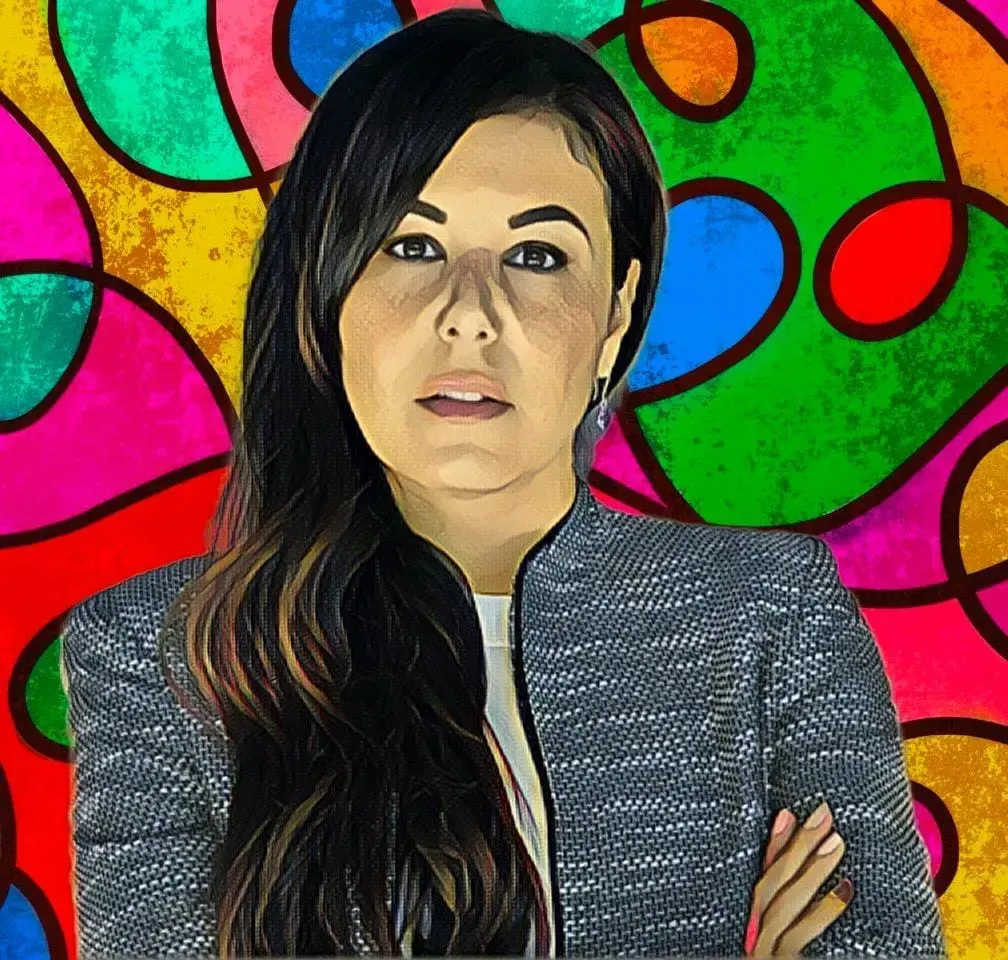
Stacy Brown-Philpot grew up in Detroit with no early interest in technology. She wanted to be an accountant. A stint in investment banking at Goldman Sachs changed the calculation. Watching startups generate extraordinary value in public markets, she enrolled at Stanford Business School and wrote her admissions essay about becoming a venture investor. That ambition would wait nearly 25 years.
What came between was a decade at Google spanning sales and operations across multiple continents, a transformative CEO tenure at TaskRabbit that ended with a nine-figure acquisition by IKEA and board seats at some of the most recognizable companies in global tech and retail. She holds a degree from the Wharton School, graduating magna cum laude, and an MBA from Stanford's Graduate School of Business. She has been ranked among the 46 Most Important Blacks in Technology by a leading business publication and named a Henry Crown Fellow by the Aspen Institute.
These are the seven companies and roles that define her career.
The operating foundation
1. Google
Brown-Philpot joined Google when the company had just over 1,000 employees and stayed nearly a decade. She eventually led global consumer operations and served as head of online sales and operations for Google India. She also founded the Black Googler Network, one of the earliest and most visible employee resource groups in Silicon Valley, before moving into Google Ventures as entrepreneur-in-residence. The operational discipline, international execution and product thinking she absorbed at Google became the framework for everything that followed.
2. TaskRabbit
She joined TaskRabbit in 2013 as chief operating officer and was elevated to CEO in 2016. Under her leadership, the platform expanded to more than 100 cities across the United States, Canada and Europe before she engineered its acquisition by the Ingka Group, IKEA's parent company, in 2017. TaskRabbit became one of the defining case studies of the gig economy, and Brown-Philpot's role in its scaling and successful sale cemented her standing in Silicon Valley's upper tier. She stepped down in August 2020.
The boardroom portfolio
3. HP Inc.
Brown-Philpot has served on the board of HP Inc. since 2015, making it her longest-running governance commitment. The global computing and printing company has drawn on her expertise to navigate digital transformation, the shift to remote work and sustainable manufacturing practices. A decade at the table has given her a detailed view of how legacy hardware businesses adapt to a software-driven world, a vantage point few directors in any industry can claim.
4. Nordstrom
She joined the Nordstrom board in 2020, bringing the logic of digital marketplaces to a luxury retailer navigating one of the most disruptive stretches in its history. Her focus involves integrating technology into the customer experience and shaping the company's digital-first strategy. The appointment reflected a broader shift in corporate America toward recruiting tech operators to help established consumer brands compete against e-commerce platforms.
5. StockX
Brown-Philpot serves on the board of StockX, the online resale marketplace that applies a stock-market-style pricing model to sneakers, streetwear and consumer electronics. Her background in building trust and safety systems at TaskRabbit translates directly to this environment. She advises on international expansion and authentication processes, functions that are foundational for a platform whose entire value proposition rests on the integrity of its verification pipeline.
6. Noom
The digital health platform Noom added Brown-Philpot to its board as it scaled its subscription-based wellness service. Noom applies behavioral science and psychology to drive health outcomes, and her experience scaling consumer platforms helped the company manage aggressive growth while building the data privacy frameworks its model depends on. Her board presence reflects a sustained interest in health technology and the application of behavioral science to shift consumer habits at scale.
The capital table
7. Cherryrock Capital
This is the venture she had been building toward since that Stanford admissions essay. Brown-Philpot launched Cherryrock Capital in 2023 alongside co-founder Saydeah Howard, who spent nine years at the venture firm IVP. The fund closed its $172 million Fund I in early 2025, making it one of the first Black woman-founded venture firms to cross the $100 million threshold. Limited partners include Goldman Sachs Asset Management, JPMorgan Asset Management, MassMutual and Melinda French Gates' Pivotal Ventures, alongside individual backers including Reid Hoffman and Sheryl Sandberg.
Cherryrock invests at the Series A and B stages in software companies led by underrepresented founders, with a concentration in digital health, enterprise SaaS, fintech and future-of-work businesses. The fund targets 12 to 15 investments in total, a deliberately concentrated portfolio by the standards of modern venture capital. Early bets include Vitable, a healthcare startup, and Coactive AI, an enterprise software company co-led with Emerson Collective.