


Table of Contents
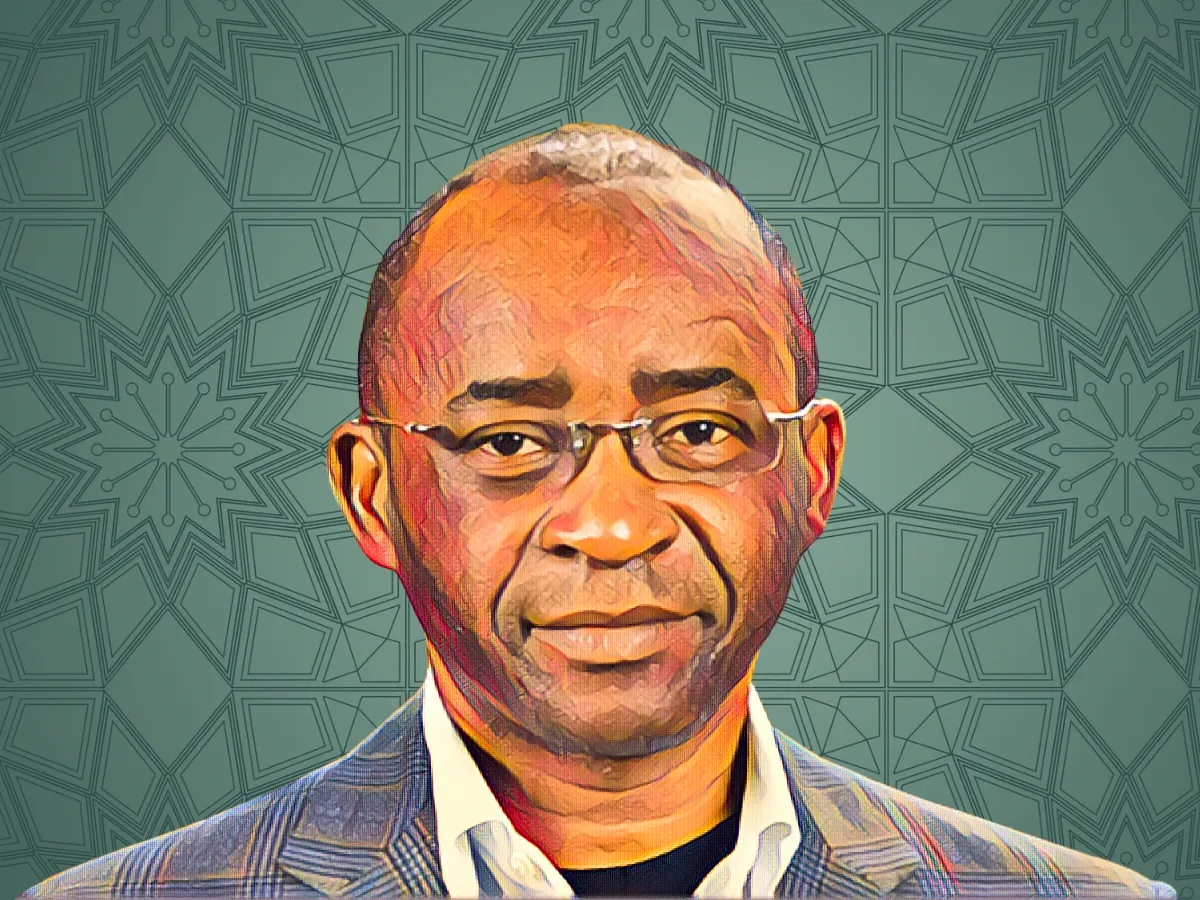
Natie Kirsh, the South African-born founder of Jetro Restaurant Depot, sold his American wholesale food empire for $29.1 billion last month, becoming Africa's second richest person at $17.1 billion and handing South Africa's business press one of its most pointed questions in years: could he have done it there?
Financial Mail, South Africa's most influential business weekly, devoted its April 9 cover to exactly that question. The numbers make the answer uncomfortable. The R500 billion Jetro price tag dwarfs the entire R192 billion market value of Sanlam, one of South Africa's largest insurers and the company that bought nearly half of Kirsh's South African business in 1984 before helping push him out. He left for New York with Jetro, the one asset he kept. That asset just sold for more than two and a half times the company that once defined his ambitions at home.
Kirsh, now 94, was born in Potchefstroom to a family of Lithuanian Jewish immigrants. He built his first corn milling business in what was then Swaziland in the 1950s, then expanded into wholesale and retail across South Africa through the 1960s and 1970s before selling half his conglomerate to Sanlam in 1984. A leveraged real estate expansion collapsed under the pressure of South Africa's economic crisis of the mid-1980s and he was forced out. He left permanently in 1986.
What followed was 40 years of building in silence in the United States. Jetro grew from one store in Brooklyn into 166 warehouse locations across 35 states, serving more than 725,000 independent restaurant operators. The business generated $16 billion in revenue and $2.1 billion in earnings before interest, tax, depreciation and amortization in 2025, a figure that had grown every year for 30 consecutive years. When Sysco agreed to acquire it in March 2026, the price represented a multiple of more than 14 times operating income.
The Kirsh story is not unique in its shape. Ivan Glasenberg built Glencore from Zug, Switzerland. Clive Calder co-founded Jive Records in London. Elon Musk left Pretoria for Canada at 17. Forbes applies a residency and primary business test to its Africa list, which is why none of them appear on it despite their South African origins.
At $17.1 billion, Kirsh is richer than every company on the Johannesburg Stock Exchange except a handful, and he built the business that produced that wealth entirely outside the country that shaped him. The sale does not indict South Africa. It does raise the question, in numbers large enough that it cannot be dismissed, of what the country's business environment costs the entrepreneurs it produces but cannot keep.