


Table of Contents
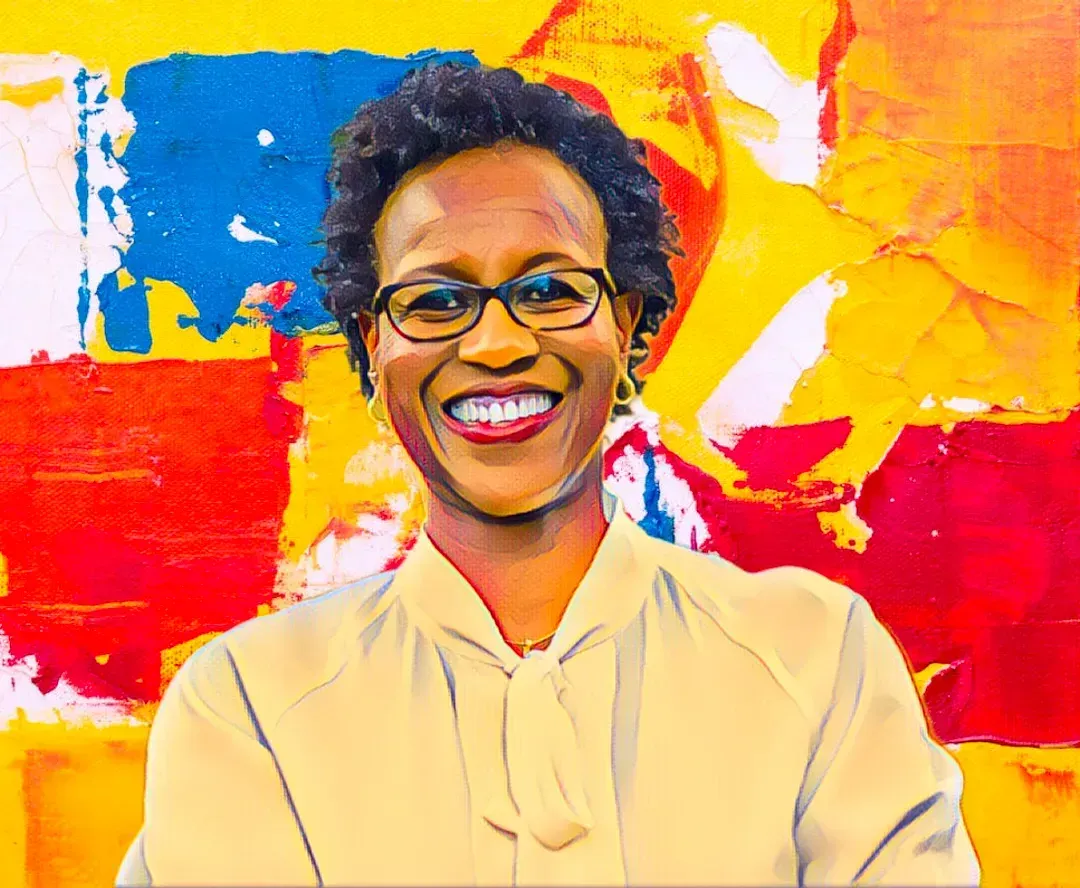
Kate Fotso, the woman who built Cameroon's largest cocoa export business and is recognised by Forbes Africa as the country's wealthiest woman, is making her most ambitious move yet beyond the agricultural sector.
Reports confirm Fotso has committed 17 billion FCFA ($28.3 million) to the construction of a new beverage production facility in Souza, in the Littoral region. The investment would rank among the largest private industrial projects in Cameroon in recent years and would pit Fotso against established players in a market long dominated by Brasseries du Cameroun, a subsidiary of the French Castel Group.
No timeline for the facility's completion or details on the product range have been made public.
The woman behind the investment
Kate Kanyi-Tometi Fotso has spent more than three decades turning Telcar Cocoa Ltd into the dominant force in Cameroon's cocoa export industry. The company controls between 30% and 36% of the country's total cocoa exports by volume, making it the single largest exporter in a trade that is central to Cameroon's foreign exchange earnings. At its peak in the 2016/2017 season, Telcar exported 74,000 tonnes, of which 43,700 tonnes were certified under international sustainability standards.
Cargill, the American agricultural trading giant, holds a 49% stake in Telcar and is the company's primary international partner. Fotso, who worked at Cargill for five years before founding Telcar in the mid-1990s, runs the company and has shaped it into what she describes as a bridge between Cameroonian farmers and global buyers. The cocoa trade press long ago took to calling her the "iron lady of the cocoa sector."
Her late husband André Fotso, who died in Paris on August 2, 2016, founded the TAF Investment Group and headed the Cameroonian Employers' Association. Following his death, Kate Fotso took on management of the capital and investments he left behind, adding that responsibility to the Telcar business she already ran. She is a shareholder in Ecobank Cameroun and sits on the board of directors of the autonomous port of Kribi, a seat to which President Paul Biya appointed her as the representative of exporters.
Forbes Africa put her net worth at $252 million, equivalent to roughly 150 billion FCFA, placing her among the 20 wealthiest individuals in Francophone Africa.
Diversification gathering pace
The Souza brewery is not Fotso's first move beyond cocoa. In September 2023 she established Bridge Riviera Development and Hospitalities Plc (BRDH), a company incorporated in Douala for a 99-year term and capitalised at 100 million FCFA. BRDH's stated objectives include owning and operating luxury hotels in Douala and across Cameroon, developing land and real estate, and managing hospitality, catering, entertainment and concierge services. The company has not yet announced an opening date for any specific hotel property.
The brewery investment accelerates that diversification. A 17 billion FCFA production facility in the Littoral region — a commercial zone with port access and an established industrial base — would give Fotso a foothold in the country's beverage market that no other local entrepreneur has yet achieved at that scale.
Building the cocoa legacy
Fotso's investment in the community that sustained her original business has been substantial. Between 2011 and 2015, she implemented the Cargill Cocoa Promise programme in Cameroon, training approximately 21,000 cocoa farmers across the Littoral, Southwest, Central and Southern regions in improved production practices. The results included higher yields and expanded access to premium pricing through certification. In 2016 she launched Coop Academy, a three-year training initiative for 908 delegates from 227 cocoa producer cooperatives, which also attracted the first investment from the International Finance Corporation in Cameroon's cocoa sector. Over three cocoa seasons, Telcar distributed 1.5 billion FCFA in premiums to certified producers.
That track record of building within the cocoa sector over 30 years is the foundation on which Fotso is now placing a very different kind of bet — one measured in fermentation tanks and distribution networks rather than cocoa export quotas.