

Table of Contents
Haco Industries, the Kenyan consumer goods maker controlled by the heirs of the late tycoon Chris Kirubi, is exploring whether to bring in a strategic investor or pursue a stock market listing as the family plans for the next phase of ownership, according to The Africa Report.
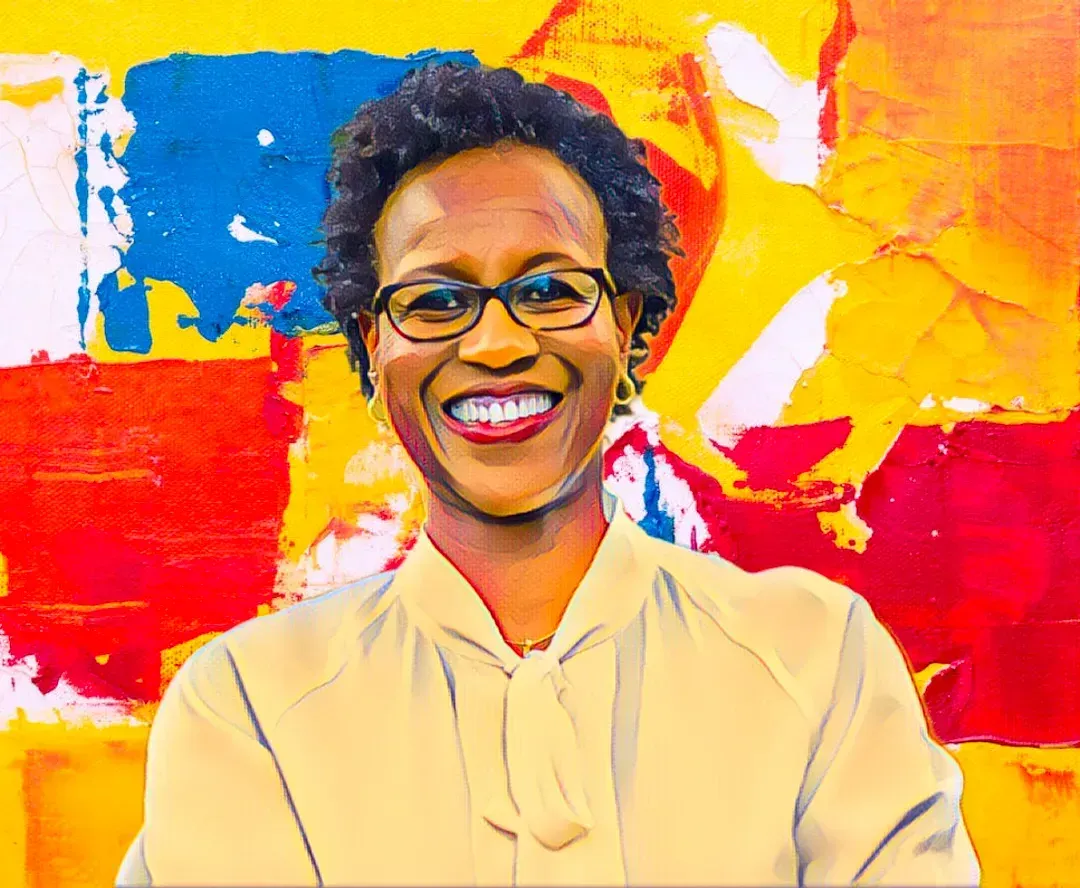
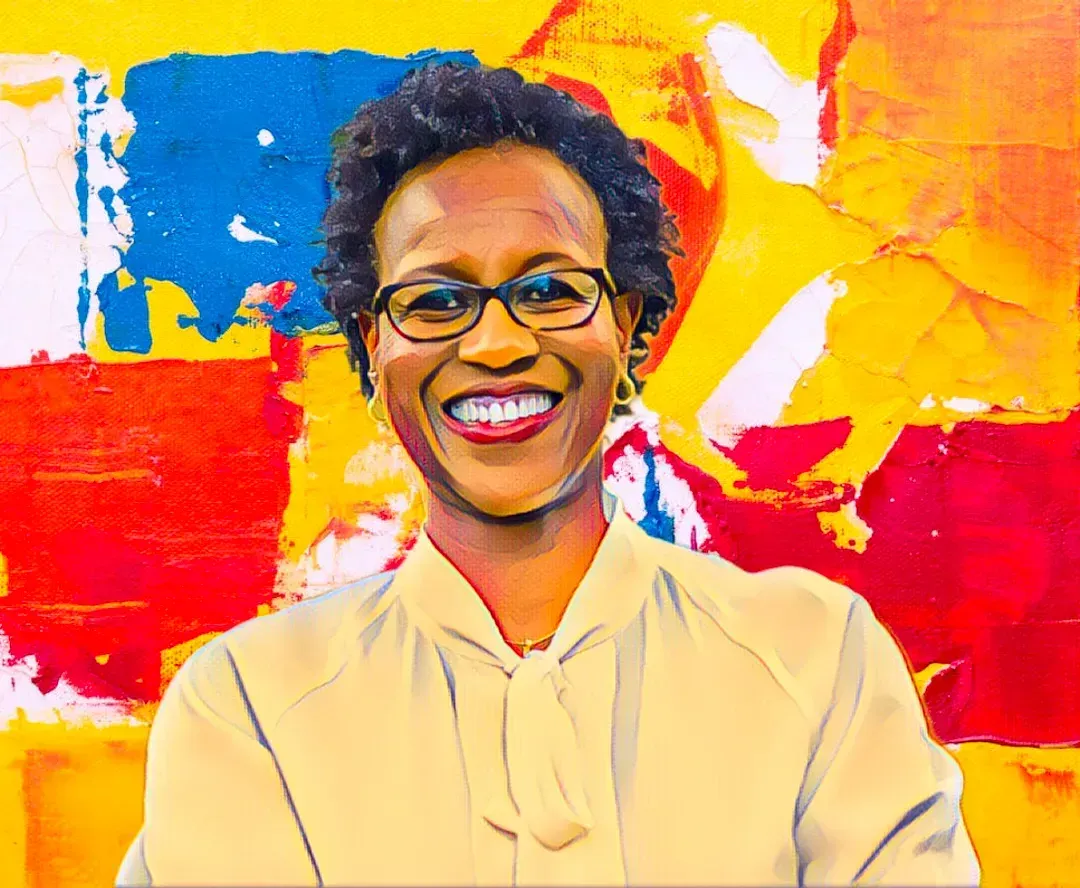
The discussion is playing out as Managing Director Mary-Ann Musangi, Kirubi's daughter, is simultaneously pushing the business into West Africa. Haco will begin operations in Ghana by the end of April through a joint venture with a local partner, with Nigeria and Senegal identified as the next markets. The expansion ambition and the ownership question are linked: growth at this scale requires capital, and the family is weighing whether external investors or a public listing could provide it while also formalising succession in the generation that inherited the business from Kirubi.
The company and the inheritance
Chris Kirubi built Haco into one of East Africa's best-known consumer goods manufacturers over four decades. He acquired the company in 1998 from a Dutch trading house and transformed it from a distributor of foreign brands into a producer of its own lines, with a presence across Kenya, Uganda, Rwanda, Tanzania, Ethiopia and Burundi.
When Kirubi died in June 2021 at the age of 80 after a four-year illness, he left an estate court documents valued at KSh40 billion ($350 million). His daughter Mary-Ann and son Robert Kirubi inherited 80% of that fortune, which included the stake in Haco alongside holdings in Centum Investment Company, KCB Group, Bendor Estate Limited and other assets. The remaining 20% passed to Kirubi's siblings.
Musangi had already been running Haco for two years by the time her father died. She was appointed managing director in February 2019, shortly after Kirubi was diagnosed with colon cancer, and spent his final years learning the business alongside him. Taking over brought its own pressures. The departure of Tiger Brands, which had held a 51% stake from 2008 before Kirubi bought back full control in December 2017 following strategic disagreements, had required rebuilding the management structure from the ground up. The 2018-2019 transfer of the BIC stationery, lighters and shavers manufacturing operation to Société BIC — a deal that paid Haco a total of approximately €13.7 million ($13.75 million) in instalments — further reshaped what the business was.
What Musangi inherited was a leaner, fully indigenous company: personal and home care brands under its own name, a plastics operation and a Mattel toy distribution line. Brands include Amara and Miadi in personal care, and So Soft, Sparkle and Ace in home care.
The West Africa push
The Ghana entry, announced this week, is structured to avoid the capital intensity of building new factories. Haco will supply raw materials manufactured in Kenya while a local partner provides production capacity and distribution in Ghana. Musangi has described it as a lean expansion designed to get products into stores quickly without large upfront investment.
The sourcing strategy ties Haco's expansion to African raw materials — a deliberate positioning. Musangi said the company sources argan oil and jojoba from North Africa, shea butter from Ghana and Uganda, cocoa butter across West Africa, and a range of Kenyan inputs including moringa, canola, coconut and baobab oils and locally sourced aloe vera from Kenya's coast and eastern region. The pitch to West African markets is products made from regional raw materials, processed in Kenya and distributed through local partners.
If the Ghana model holds, the company intends to replicate it in Nigeria and Senegal.
The IPO and investor question
That kind of growth across multiple markets requires a capital base that a privately held family company has structural limits in accessing. At the same time, the Kirubi family faces the question that all second-generation inheritors of concentrated private businesses eventually confront: how to formalise ownership, create liquidity and build governance structures capable of outlasting the founders.
An IPO on the Nairobi Securities Exchange would give Haco access to public capital, create a market for the family's stake and impose the transparency that institutional investors and regulators require. It would also be consistent with the family's other holdings: Centum Investment, where Robert and Mary-Ann jointly inherited their father's 31% stake, is listed on the NSE and has been navigating its own restructuring since Kirubi's death.
A strategic investor would offer different trade-offs. A consumer goods company or private equity fund taking a minority stake could inject capital and management capability without the disclosure requirements of a public listing, though it would also reintroduce the dynamic Kirubi had already lived through once — a large institutional partner with its own views on strategy, which was ultimately what ended the Tiger Brands joint venture.
Haco is not a company in distress. Under Musangi, it completed a second phase of solar installation in 2025 as part of its Chasing Zero Initiative to cut greenhouse gas emissions, signalling a management team focused on long-term infrastructure rather than short-term cash extraction. The conversation about investors or an IPO is, in that sense, a planning conversation rather than an emergency one — the kind families have when the business is growing, not when it is struggling.
Whether Haco ultimately lists, takes in a partner or continues as a private holding, the direction Musangi has set is clear: a Kenyan-headquartered company with an African raw material supply chain, expanding market by market across the continent on a model that keeps capital requirements manageable and control in the family's hands.