

Table of Contents
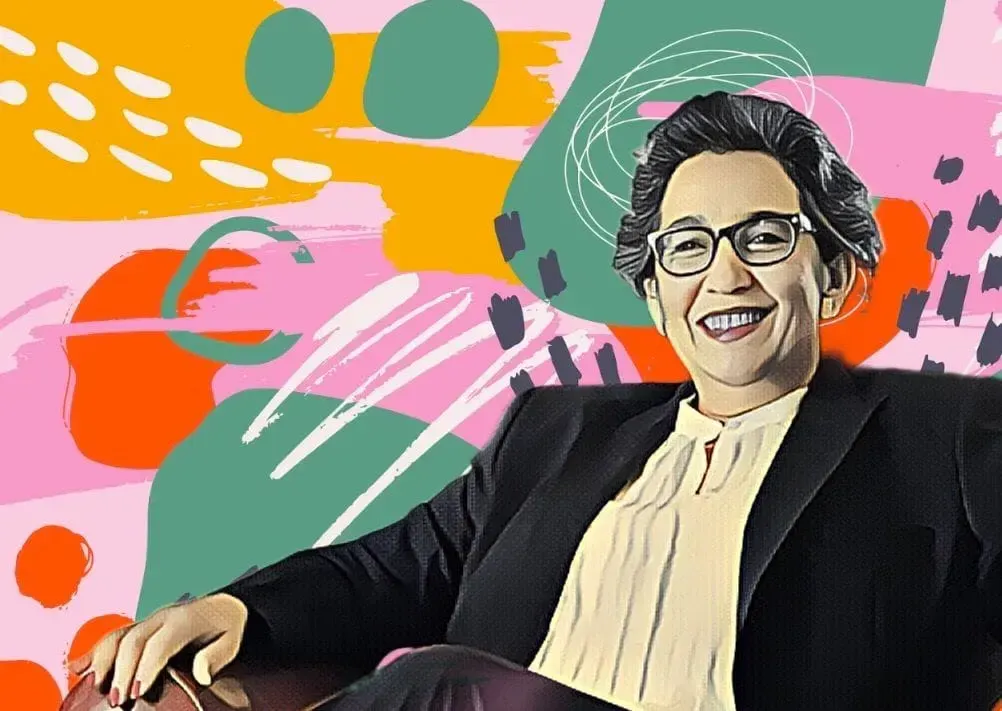
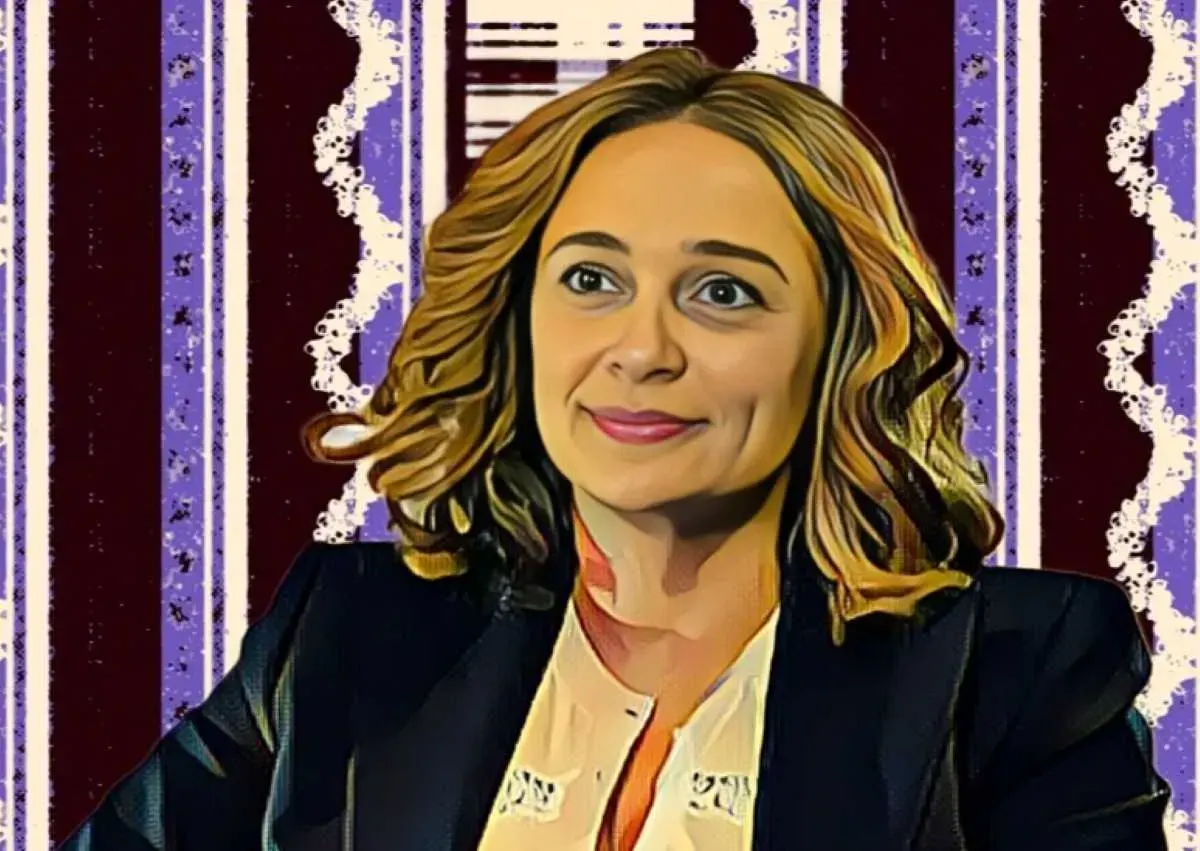
She was, by every visible measure, the most powerful businesswoman Africa had ever produced. A $2 billion fortune. Stakes in telecoms, banking, oil and retail across two continents. A seat at tables where few Africans, let alone African women, had ever sat. Then the documents leaked, the courts moved, and the governments followed. What came after is still unfolding.
Isabel dos Santos was born on April 20, 1973, in Baku, in what was then the Soviet republic of Azerbaijan, where her Angolan father was studying. Her father, José Eduardo dos Santos, would return home to become Angola's president, ruling the country from 1979 to 2017. Her mother, Tatiana Kukanova, was Russian-born. Dos Santos was sent to boarding school in Kent, England, then studied electrical engineering at King's College London. She returned to Angola in the mid-1990s, when her father's government had just ended a civil war and the country was rebuilding.
She started small. She worked as a project manager engineer at Urbana 2000, then started a trucking company and opened one of Luanda Island's first nightclubs, the Miami Beach Club. Neither made her famous. What came next did. In 1998, she co-founded Unitel, Angola's first private mobile phone operator, acquiring a 25% stake through her holding company Vidatel. Angola at the time was still largely using walkie-talkies for civilian communication. Unitel became the country's dominant telecoms operator. The stake made her rich. What she did with that wealth made her famous across Africa and Europe.
The Luanda Leaks, a 2020 investigation by the International Consortium of Investigative Journalists, revealed a network of over 400 companies and subsidiaries linked to dos Santos across 41 countries, spanning Angola, Portugal, the Netherlands and multiple offshore jurisdictions. The portfolio included major stakes in ZAP, a satellite TV operator; Banco BIC, a Portuguese bank; NOS, a Portuguese telecoms group; and a 67% stake in EFACEC, a Portuguese industrial conglomerate she acquired in 2018. She had also been appointed CEO of Sonangol, Angola's state oil company, by her father in June 2016, a role from which she was dismissed within 80 days of him leaving power in 2017.
The legal machinery has moved against her in layers. In December 2019, the Luanda Provincial Court ordered the freezing of her Angolan bank accounts and her stakes in local companies including Unitel. Portugal followed with its own asset freeze. In 2021, the United States imposed sanctions on dos Santos for involvement in significant corruption, barring her from entering the country. In 2022, Interpol issued a Red Notice for her provisional arrest following a request from Angolan prosecutors. In 2023, she lost a legal battle in London's High Court to prevent a freeze on up to $733 million of her assets, tied to a lawsuit filed by Unitel over unpaid loans exceeding $400 million.
The most recent blow came in November 2024. The UK government imposed sanctions on dos Santos and two associates, accusing her of embezzling at least £350 million from state-run companies including Sonangol, depriving Angola of resources needed for public services. UK Foreign Secretary David Lammy described her as a notorious kleptocrat. Her globally frozen assets at that point were estimated at approximately £580 million.
She has denied every allegation. In December 2024, she described the UK sanctions as politically motivated and lacking due process, saying she had created over 200,000 jobs in Angola and accusing President João Lourenço's government of distorting her late father's legacy.
Her husband, Congolese art collector Sindika Dokolo, died in a diving accident in Dubai in October 2020. She has three children and now lives in the United Arab Emirates.
She remains Africa's most closely watched businesswoman, though no longer in the way she once was. The woman who broke every barrier on the way up is now fighting every institution on the way down, from Dubai, with her accounts frozen and Interpol looking.
The intelligence satisfies curiosity. The paid briefings satisfy strategy.
Every Monday, Elite subscribers receive an Investor Memo breaking down the deal, the structure and the positioning behind the week's most consequential African wealth story - the kind of analysis that doesn't appear anywhere else.
Twice a month, a Wealth Intelligence brief profiles a single billionaire's holdings, cash flows and expansion pipeline in detail no public source matches.
→ Executive ($25/mo): Daily newsletter + Deep-Dive Reports
→ Elite ($75/mo): Everything above + Investor Memos + Wealth Intelligence + Quarterly Analyst Briefings
Subscribe now