

Table of Contents
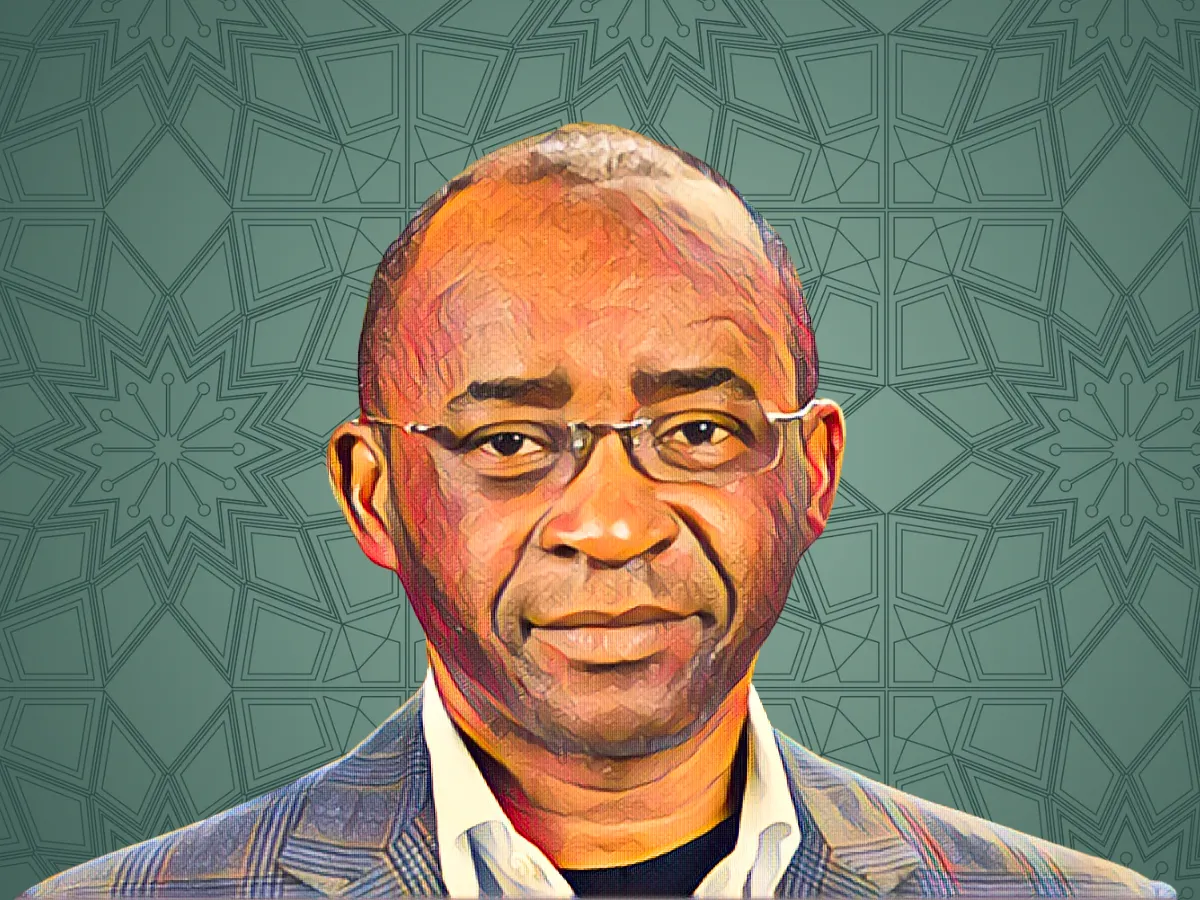
Sandile Zungu has spent more than two decades building a business empire from the ground up in KwaZulu-Natal. This week, that empire took its biggest leap yet. On June 2, his consortium Sizekhaya Holdings assumes control of South Africa's national lottery, one of the most lucrative government-backed commercial contracts in the country's history, valued at more than R80 billion over eight years.
The problem is that the curtain has not fully come down on the previous act. Ithuba Holdings, the company that has operated the lottery since 2015 under the leadership of CEO Charmaine Mabuza, has launched a legal challenge to overturn the licence awarded to Sizekhaya by Trade, Industry and Competition Minister Parks Tau. The North Gauteng High Court last year declined to halt the transition on urgency grounds, but the main application is still to be heard later this year. Until a judge rules on the merits, South Africa's most recognisable gambling institution will operate under a cloud of legal uncertainty.
Zungu was born in 1967 in Umlazi township in KwaZulu-Natal. He attended Vukuzakhe High School before completing post-matric studies at Hilton College. He earned a BSc in Mechanical Engineering from the University of Cape Town in 1988 and an MBA from UCT's Graduate School of Business in 1995, later completing a Programme for Global Leadership certificate at Harvard Business School. He spent six years in plant maintenance and project management in engineering and production environments before turning full-time to entrepreneurship.
In 2002, he founded Zungu Investments Company, known as ZICO, which built stakes across mining, property, manufacturing and education. In 1998, leading SARHWU Investment Holdings, he was named Business Map Dealmaker of the Year. In 2000, he represented South Africa at the World Young Business Achievers finals in Florida and won the Outstanding Business Strategy award. He was named in Financial Mail's Little Black Book of South Africa's 300 most influential Black professionals and graduated as a World Economic Forum Young Global Leader. He served as president of the Black Business Council, chairman of EOH Holdings and chancellor of Mangosuthu University of Technology.
He bought AmaZulu Football Club in 2020 from Dr. Patrick Sokhela and transformed it into one of the more competitive clubs in the Premier Soccer League. Under his ownership, AmaZulu finished second in the DStv Premiership in the 2020-21 season and qualified for the CAF Champions League for the first time in years. His daughter Sinenjabulo Zungu serves as the club's CEO.
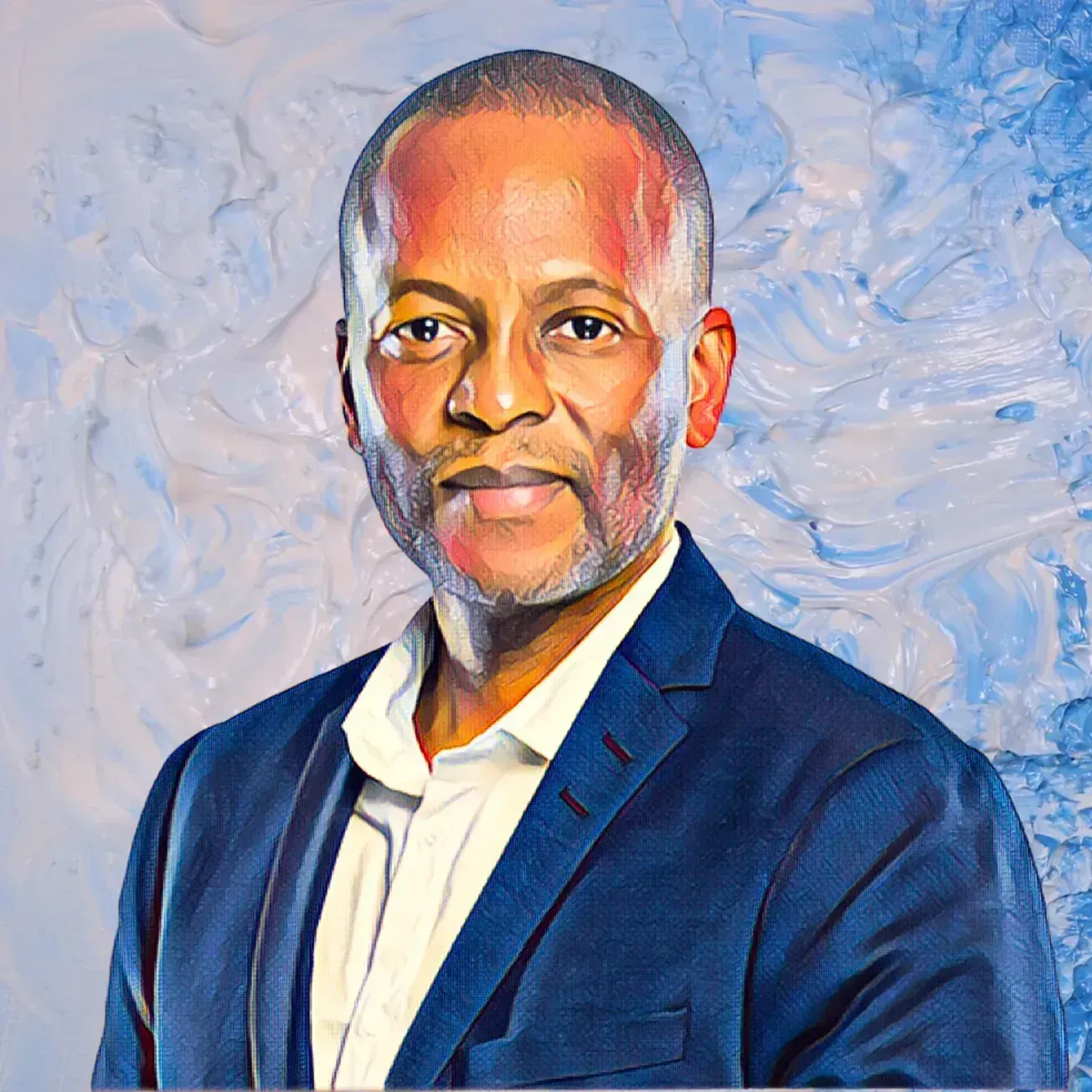
The Sizekhaya consortium that won the lottery licence was built alongside businessman Moses Tembe, who chairs the entity. JSE-listed GoldRush holds a 40 percent stake in Sizekhaya. Tembe said at the consortium's launch in Johannesburg last week that the transition from Ithuba was not just an operational handover but an opportunity to renew and strengthen one of South Africa's most recognisable national institutions. "Innovation and accessibility will play a major role in Sizekhaya's plans moving forward, including making participation easier and more convenient for players across retail and digital platforms," he said.
Tau, in his written reasons for awarding the contract to Sizekhaya, said it had presented a "well-balanced bid" with an impressive technology partner and credible, suitably ambitious financial projections. Ithuba was ranked second. Tau noted that Ithuba's inclusion of a local technology partner and its stronger localisation and supplier development strategies were positives, and designated it as a reserve bidder.
Ithuba's legal challenge contests the process on multiple grounds. One of its core arguments is that Sizekhaya lacked fully committed funding at the point of the award, a key tender requirement. Sizekhaya has denied that allegation. The Economic Freedom Fighters have applied to intervene in the proceedings, citing the participation of Deputy President Paul Mashatile's sister-in-law in the Sizekhaya consortium as a ground for setting the contract aside. Sizekhaya has denied that the Mashatile connection influenced the outcome, saying it won on merit.
Mabuza, the first woman to own and lead a lottery operator in any country, chose her words carefully in summing up Ithuba's decade-long tenure. "Ithuba's legacy is one of disciplined growth, operational resilience and meaningful national contribution," she said. "Over more than a decade, we modernised and expanded access to the national lottery on an unprecedented scale while contributing significantly towards good causes." She said the company achieved more than 46 percent in sales growth, with over 64 percent of sales generated through digital platforms, and received World Lottery Association recognition for standards in security, responsible play and operational excellence.
The main court application challenging Sizekhaya's licence is expected to be heard in the second half of 2026. Until then, Zungu and Tembe will be running the lottery while Mabuza's lawyers prepare their arguments. The winner of that court battle inherits not just a commercial contract but one of the most visible consumer-facing institutions in South Africa, touching millions of households through weekly draws, scratch cards and digital platforms. Zungu has bet his biggest commercial play yet on the outcome going his way.
The intelligence satisfies curiosity. The paid briefings satisfy strategy.
Every Monday, Elite subscribers receive an Investor Memo breaking down the deal, the structure and the positioning behind the week's most consequential African wealth story — the kind of analysis that doesn't appear anywhere else.
Twice a month, a Wealth Intelligence brief profiles a single billionaire's holdings, cash flows and expansion pipeline in detail no public source matches.
→ Executive ($25/mo): Daily newsletter + Deep-Dive Reports
→ Elite ($75/mo): Everything above + Investor Memos + Wealth Intelligence + Quarterly Analyst Briefings
Subscribe now