

Table of Contents
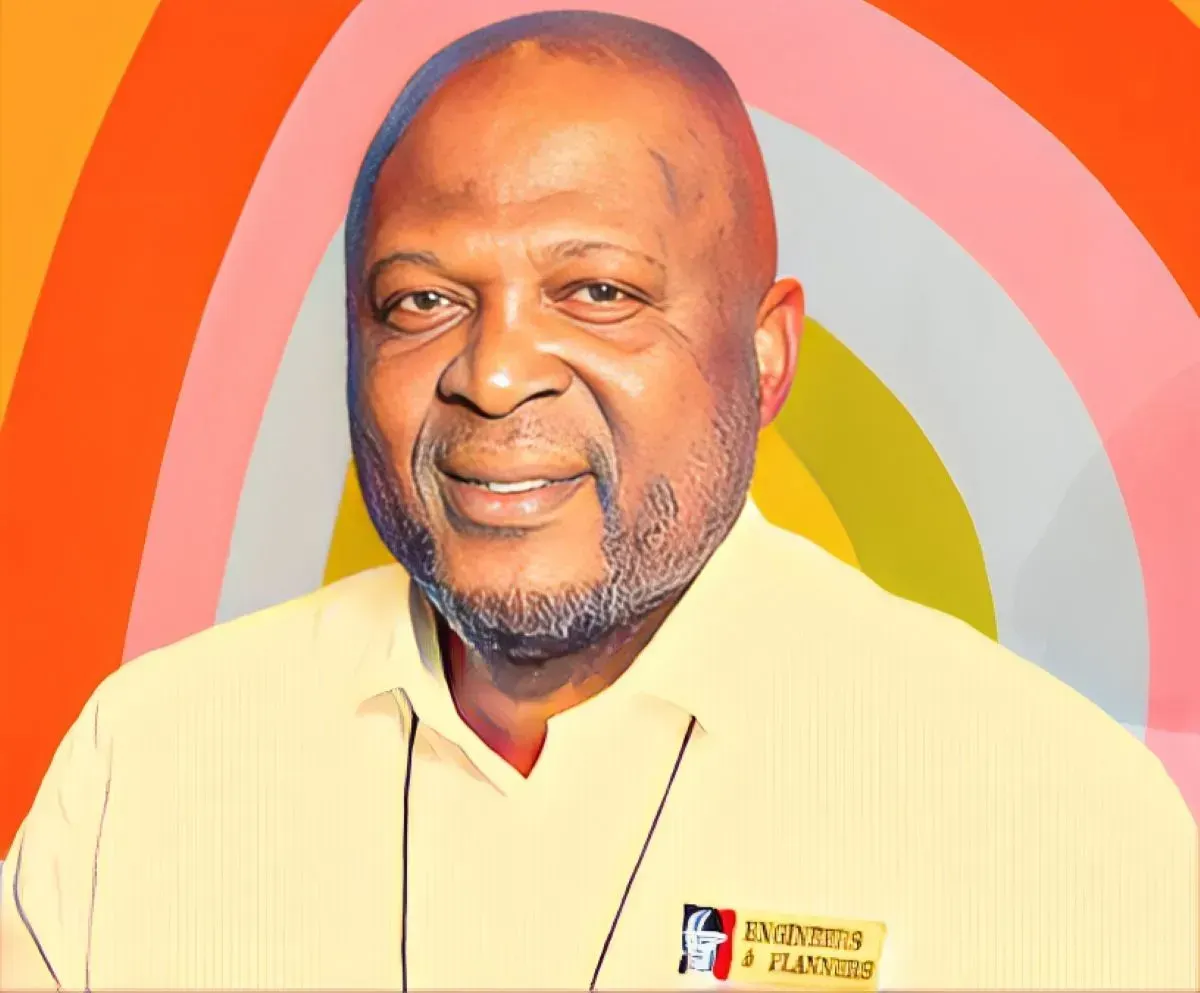
The Media Coalition for Good Governance has backed Ibrahim Mahama and his company Engineers and Planners Limited over the takeover of the Damang Gold Mine, urging Ghanaians to resist what it described as politically motivated interference in a legitimate private sector success story. The intervention adds a civil society voice to a debate that has simultaneously drawn in Ghana's Attorney-General, its parliamentary opposition, a private citizen petitioning the Commission on Human Rights and Administrative Justice, and a policy analyst now facing a defamation suit.
The formal handover of the Damang concession from Gold Fields Ghana to Engineers and Planners took place on April 18, 2026, at a ceremony attended by Lands and Natural Resources Minister Emmanuel Armah-Kofi Buah. At the event, Ibrahim Mahama committed to constructing an airport within six months, establishing two hospitals and developing sports facilities across Damang and surrounding communities. "This is not political talk; this is real talk," he told residents.
The MCGG extended congratulations to Mahama and called for a national rethink on how Ghana treats its homegrown entrepreneurs, pointing to the Damang handover as an example of indigenous private capital stepping into large-scale mining. The Coalition cited other Ghanaian business leaders as examples of the kind of enterprise the country should protect and nurture regardless of political affiliation. It specifically warned against political interference undermining business confidence.
The political dimension is impossible to separate from the mining one. Ibrahim Mahama is the younger brother of Ghana's President John Dramani Mahama, who returned to office in January 2026. That familial relationship has given the Damang story a different texture than a straight mining licence award would normally carry. The parliamentary minority has petitioned CHRAJ alleging conflict of interest, and questioned why E&P received the concession ahead of the other two shortlisted bidders.
The Minerals Commission has rejected the conflict-of-interest allegations, describing the tender process as transparent, competitive and fully grounded in Ghana's mining regulations. E&P had, in fact, been providing mining services for Gold Fields at Damang since 2004, and the company formally pursued the concession from September 2023, before the current Mahama administration took office.
Governance questions have, however, continued to surface. Policy analyst Bright Simons publicly challenged the legality of gold sales made by E&P after it took over the Damang concession in April but before Ghana's parliament ratified the arrangement, arguing that unratified concession gold legally belongs to the state. Lands Minister Buah subsequently confirmed that the government would submit the Damang lease to parliament for ratification alongside several other outstanding mining agreements, citing powers under the Minerals Commission framework as the legal basis for allowing operations to continue during the ratification gap.
The situation has also exposed a structural issue in Ghana's mineral governance architecture. As a NewsGhana analysis noted, the Damang episode is not the first time Ghana has faced a gap between concession handovers and parliamentary ratification. A 2019 lawsuit targeting dozens of mining companies operating without ratified leases was resolved when parliament retroactively ratified the agreements rather than halting operations, a precedent that critics say rewards procedural non-compliance.
Ibrahim Mahama secured a $205 million syndicated loan arranged by Stanbic Bank Ghana and Standard Bank of South Africa in February 2026 to support E&P's position at Damang. A feasibility study completed by Gold Fields found the asset could produce up to 150,000 ounces of gold annually for at least nine more years, but would require up to $600 million in capital investment to reach that potential, making it one of the most capital-intensive mining projects any Ghanaian private company has ever attempted to undertake.
The intelligence satisfies curiosity. The paid briefings satisfy strategy.
Every Monday, Elite subscribers receive an Investor Memo breaking down the deal, the structure and the positioning behind the week's most consequential African wealth story - the kind of analysis that doesn't appear anywhere else.
Twice a month, a Wealth Intelligence brief profiles a single billionaire's holdings, cash flows and expansion pipeline in detail no public source matches.
→ Executive ($25/mo): Daily newsletter + Deep-Dive Reports
→ Elite ($75/mo): Everything above + Investor Memos + Wealth Intelligence + Quarterly Analyst Briefings
Subscribe now