

Table of Contents
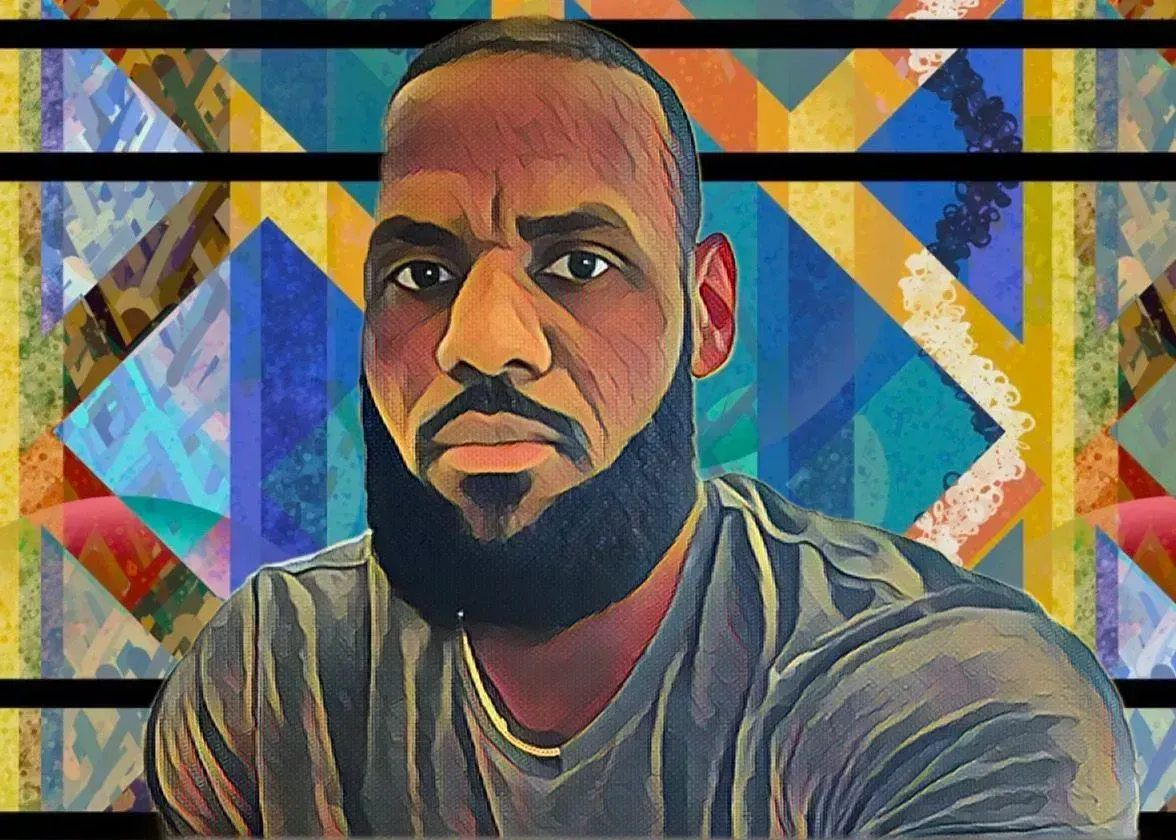
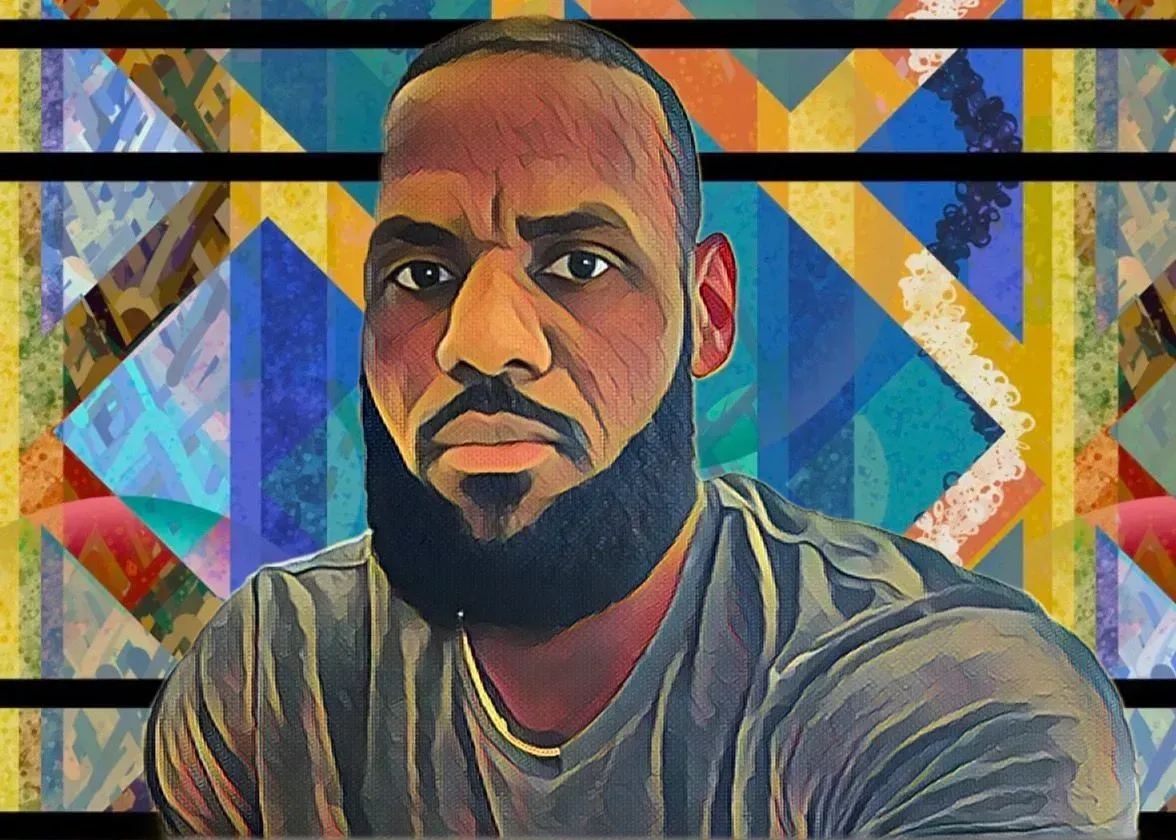
LeBron James's two-year, $101.3 million contract with the Los Angeles Lakers expired at the end of the 2025-26 NBA season, and on June 29 he will officially become an unrestricted free agent for the first time in his career. He is 41 years old, has not decided whether he will play another season, and has given no indication of where he might land if he does.
He said he would take his time. "I've got a lot of time. I'll go back and recalibrate with my family and talk with them, and when the time goes, obviously you guys will know what I decide to do," James said after the Lakers were swept 4-0 by the Oklahoma City Thunder in the Western Conference semifinals on May 11, in what could prove to be his final game as a Laker or his final game period.
The basketball world is fixated on where he goes. The Golden State Warriors, Cleveland Cavaliers, New York Knicks and Los Angeles Clippers have all been named as candidates. But focusing on his next jersey misses the bigger story. LeBron James has spent 23 years methodically building one of the most sophisticated wealth portfolios ever assembled by a professional athlete, and every decision he makes from June 29 onward carries financial consequences that extend well beyond any court he steps on.
The salary was never the point
LeBron earned $581.4 million in NBA salary across 23 seasons, more than any player in league history. That figure sounds enormous until you understand what he built alongside it. His net worth, confirmed by Forbes at $1.4 billion as of March 2026, is not a salary story. It is an ownership story. The NBA money funded the investments. The investments are where the real wealth lives.
His lifetime deal with Nike, signed in 2015, is the anchor. The arrangement pays approximately $32 million annually and includes equity participation tied to Nike stock performance, making it one of the most lucrative endorsement contracts in sports history. It is the first and only lifetime endorsement deal Nike has issued to an athlete. Crucially, unlike most endorsement deals that expire or require renegotiation when a player's career ends, LeBron's Nike income does not stop when he retires. The question is how aggressively Nike activates it.
Active athletes command a premium in commercial terms that retired athletes, regardless of legacy, do not match. Elite active athletes generate roughly 30 to 40 percent more in endorsement activation value than their retired counterparts because they produce current news cycles, current social media engagement and current purchase intent. LeBron's decision about whether to keep playing will determine which category he occupies for the rest of his commercial life.
SpringHill and what retirement would mean
SpringHill Company is the production and media enterprise LeBron built with his longtime business partner Maverick Carter. The company was valued at $725 million in a 2021 funding round that brought in Nike, Epic Games, RedBird Capital Partners and Fenway Sports Group as minority investors. LeBron and Carter retained controlling interest. His personal stake is estimated at $300 million or more.
SpringHill produces films, television content and branded partnerships across Netflix, Disney and HBO. Its commercial vitality is directly tied to LeBron's profile as a current, headline-generating figure in American sport. A retirement announcement does not kill SpringHill. The company has built enough institutional credibility to operate independently. But the premium that comes with representing an active NBA star is a commercial asset that does not survive retirement in its current form. The pivot from active athlete premium to legacy premium is real, and it is a downgrade in dollar terms even for someone with LeBron's cultural weight.
Fenway Sports Group and the Liverpool factor
LeBron's most financially elegant investment is his stake in Fenway Sports Group, the holding company that owns Liverpool FC, the Boston Red Sox and the Pittsburgh Penguins. He originally received a 2 percent stake in Liverpool FC in 2011 in exchange for granting FSG exclusive global marketing rights for his image, a deal that cost him nothing out of pocket. In 2021 he converted that Liverpool stake into a 1 percent ownership position in the broader FSG parent company.
At FSG's confirmed valuation of $14.19 billion, that 1 percent stake is worth approximately $141.9 million. Liverpool's valuation has appreciated from around $325 million when LeBron first invested to over $5 billion today. His stake appreciates whether he plays basketball or not, which makes it the purest form of wealth generation in his entire portfolio. It requires nothing from him except time.
The California tax problem he cannot escape
This is the detail that most free agency coverage has missed entirely, and it is significant. California's 2026 Billionaire Tax Act, a ballot initiative that collected 1.6 million signatures in April 2026 and is heading for a November vote, would impose a one-time 5 percent tax on the global net worth of California residents who were worth more than $1 billion as of January 1, 2026.
LeBron James was a California resident on January 1, 2026. That means he is already locked in. Signing with Cleveland or Golden State in late June changes nothing. The residency cutoff was January 1, and the window to escape it closed before most billionaires had fully processed the proposal. Peter Thiel announced he was no longer a California resident on December 31, 2025, one of the few billionaires to make it out in time. LeBron did not.
If the initiative passes with a simple majority in November, currently polling below 50 percent, it would apply a 5 percent levy to LeBron's net worth above $1 billion. At a confirmed $1.4 billion net worth, that translates to a tax bill in the range of $70 million, payable in five equal annual installments beginning in April 2027. The tax covers worldwide assets including stocks, bonds, businesses and intellectual property, but excludes directly held real estate.
The measure faces serious legal challenges. Tax attorneys and constitutional scholars have argued the retroactive residency date is vulnerable to due process challenges and the Commerce Clause. Whether it survives litigation if it passes is a separate question from whether it will reach voters. It will reach voters. SEIU-UHW submitted 1.6 million signatures in April 2026, nearly double the 875,000 required to qualify.
The investment portfolio
LeBron's most recent confirmed investment came on March 31, 2026, when he backed WHOOP, the fitness wearable and performance monitoring company that competes with Apple Watch in the elite athlete health data space. It was a natural fit for a man who has spent millions annually on physical maintenance throughout his career. The investment added another growth-stage company to a portfolio that already includes his Fenway Sports Group position, Blaze Pizza, Lobos 1707 Tequila and equity stakes managed through LRMR Ventures, the investment firm he runs alongside Maverick Carter.
None of these holdings require him to keep playing basketball. Several of them, particularly the FSG stake and his Nike arrangement, would perform identically whether he is suiting up for the Cavaliers next October or sitting courtside in street clothes.
What actually needs to be decided
The decision LeBron James is weighing between now and June 29 is not really about basketball, at least not primarily. At 41, with four championships, four MVP awards and the NBA scoring record, there is nothing left to prove on the court. The real calculation is whether one more season as an active player is worth the physical cost and family disruption, measured against the commercial premium that active playing status continues to generate across his portfolio.
Cleveland is reportedly willing to offer him around $6.1 million under the taxpayer mid-level exception, an 88 percent pay cut from his $52.6 million Lakers salary. At this stage of his financial life, the basketball salary is almost irrelevant. What matters is the commercial multiplier that active status provides across Nike activations, SpringHill deal flow and endorsement rate cards that are pegged to current athlete status.
His business advisors will tell him to keep playing if the body cooperates. His Nike deal activates more aggressively. SpringHill remains more commercially potent. His social media engagement stays at current-athlete levels rather than sliding toward legacy-athlete territory. One more year of active status preserves tens of millions in commercial value across a portfolio where the basketball salary has become the smallest moving part.
He said he does not know yet. That is probably true. But the number his advisors are most focused on this summer is not $6.1 million. It is $1.4 billion.
The intelligence satisfies curiosity. The paid briefings satisfy strategy.
Every Monday, Elite subscribers receive an Investor Memo breaking down the deal, the structure and the positioning behind the week's most consequential African wealth story - the kind of analysis that doesn't appear anywhere else.
Twice a month, a Wealth Intelligence brief profiles a single billionaire's holdings, cash flows and expansion pipeline in detail no public source matches.
→ Executive ($25/mo): Daily newsletter + Deep-Dive Reports
→ Elite ($75/mo): Everything above + Investor Memos + Wealth Intelligence + Quarterly Analyst Briefings
Subscribe now