

Table of Contents
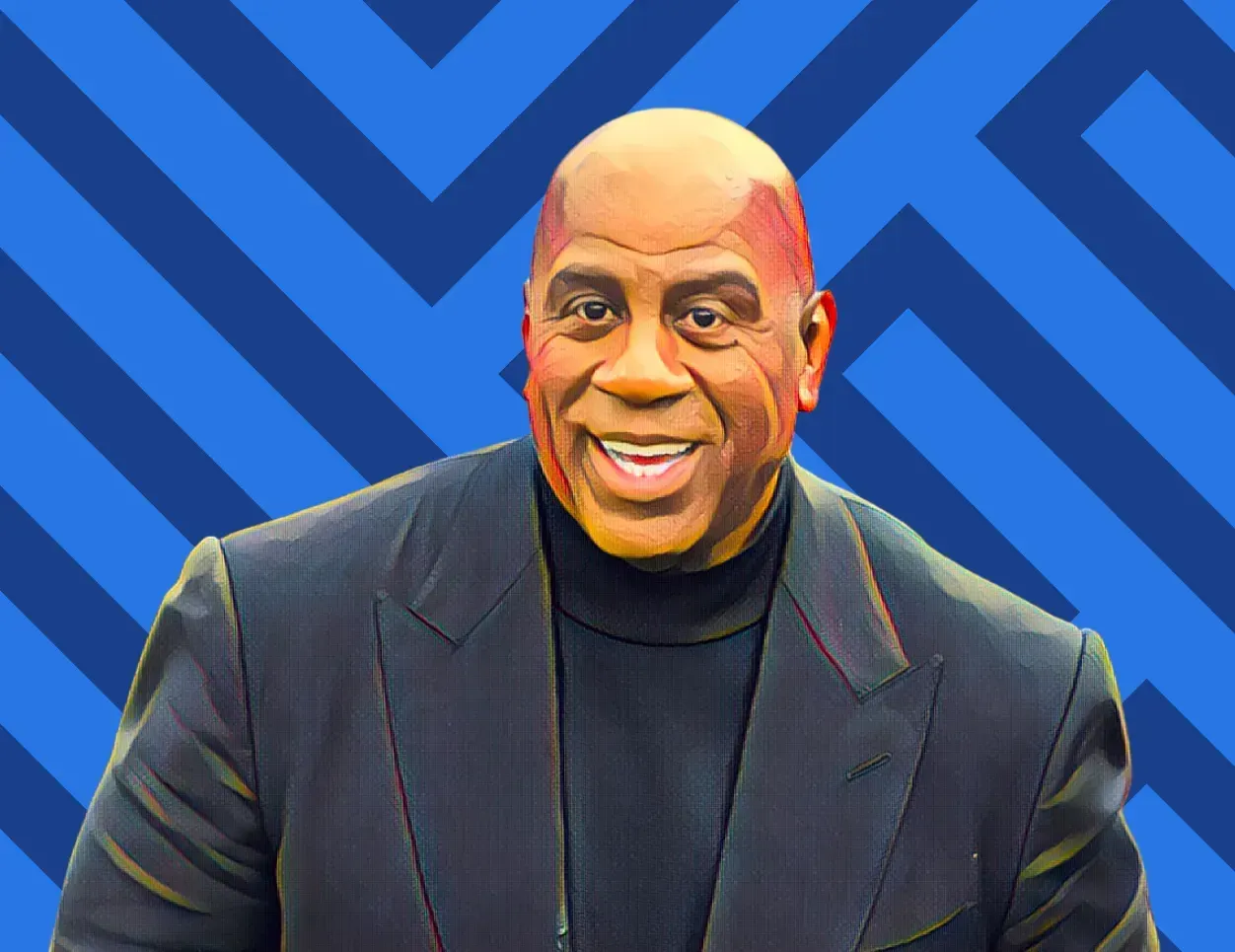
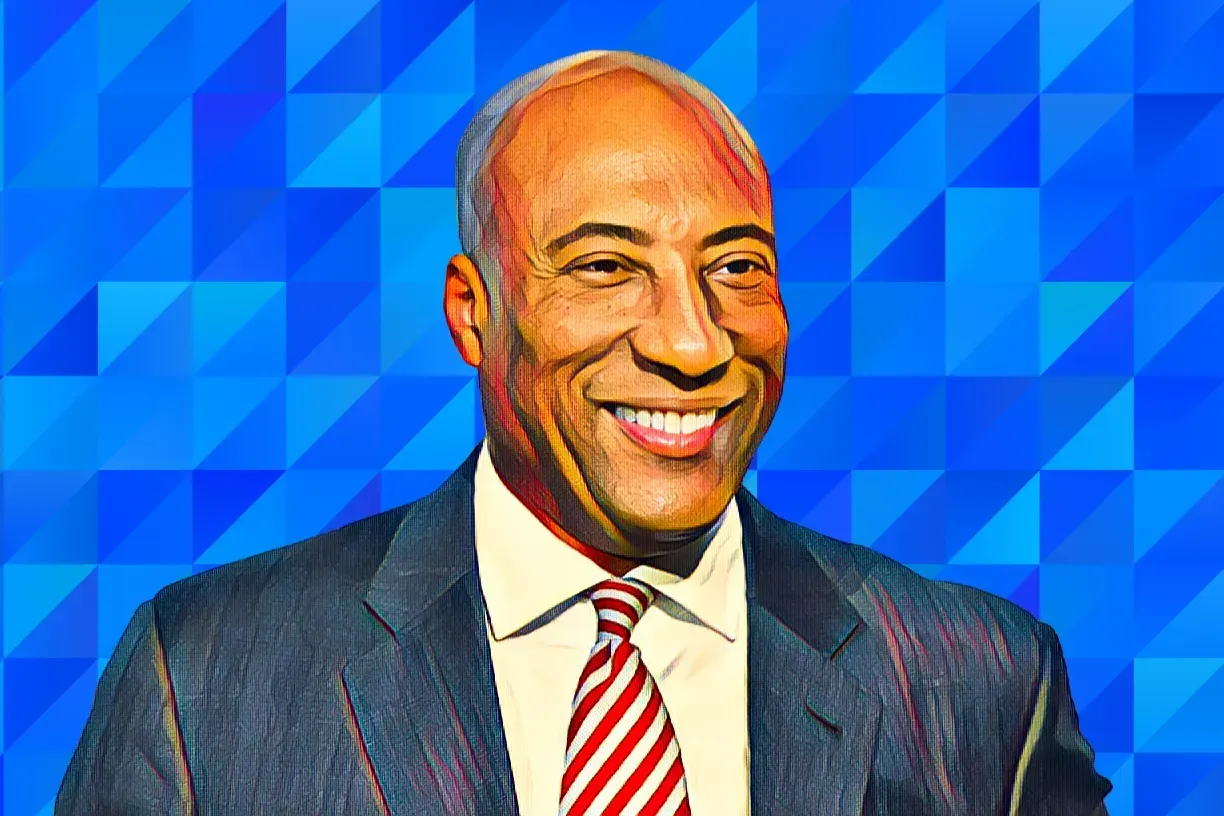
The numbers are in and they are not flattering. Byron Allen's Comics Unleashed drew 628,000 total viewers and 82,000 viewers in the coveted 18-49 demographic on June 1, 2026, the first Monday after CBS's The Late Show with Stephen Colbert aired its final episode on May 24, confirming what most industry observers had predicted: the network's late-night audience did not follow the time slot when the host who built it departed.
Stephen Colbert's Late Show averaged 2.69 million viewers per episode across the first quarter of 2026. Comics Unleashed drew 628,000 on its first direct competition day. That is a 77 percent decline from Colbert's Q1 average and a 65 percent decline compared to the same time slot one year earlier. On the same night, Jimmy Kimmel Live on ABC drew 2.185 million viewers, up 53 percent year-on-year and up 178 percent in the 18-49 demographic. The Tonight Show Starring Jimmy Fallon averaged 1.301 million viewers, up 10 percent on the prior year. Colbert's audience did not disappear. It migrated, almost entirely, to his competitors.
Allen, 65, was reportedly not fazed. Speaking to the Los Angeles Times on June 8, he pushed back against a Daily Beast report that described his show as a ratings disaster. "CBS has won big-time because they have zero production costs and now they are saving $55 million a year," he told the paper.
Allen's financial structure for the deal is central to his argument. Through a time-buy arrangement, Allen Media Group purchased the 11:35 p.m. time slot directly from CBS for a reported $15 million, covers all production costs itself and retains the right to sell advertising independently. CBS does not absorb any financial exposure from poor ratings under this model. If the show generates insufficient advertising revenue to cover Allen's $15 million slot cost and production expenses, he bears that loss personally. If it outperforms on advertising, he keeps the upside.
CBS has embraced the arrangement on those terms. "We're proud to partner with Byron Allen on a new business and programming model for late night that proactively addresses a network daypart that was cost prohibitive to continue," a CBS spokesperson told Variety. The network had been losing approximately $40 million annually on The Late Show before Colbert's departure and was paying approximately $55 million a year in combined costs.
Allen's own commercial metrics tell a different story from the Nielsen data. Allen Media Group released a chart showing Comics Unleashed outperforming Kimmel and Fallon in more than two dozen local television markets on its debut night, using market-specific Nielsen breakdowns rather than national totals. Local market performance is the currency that matters most in television advertising sales, where spot buys are priced on local audience delivery rather than national ratings. Allen has structured his entire late-night business around selling local advertising, not national network upfronts.
Allen's television career has followed an unconventional path from the outset. He launched Entertainment Studios in 1993 and spent three decades building a portfolio of 75 television networks, the Weather Channel, syndicated programming across major broadcast networks and, most recently, a controlling stake in BuzzFeed. His net worth is estimated at $700 million, built entirely through a business model that consistently bypasses conventional industry gatekeepers in favour of direct ownership of the commercial infrastructure.
Comics Unleashed has been airing since 2006. Its format, a stand-up comedy panel in which Allen interviews comedians performing short sets, has never been designed to compete with The Late Show on prestige or cultural conversation. It was designed to generate consistent, producible content at low cost. Whether that content can generate sufficient advertising revenue in the CBS slot at the national scale the time buy requires is the commercial question Allen has now committed $15 million to answer.
The intelligence satisfies curiosity. The paid briefings satisfy strategy.
Every Monday, Elite subscribers receive an Investor Memo breaking down the deal, the structure and the positioning behind the week's most consequential African wealth story - the kind of analysis that doesn't appear anywhere else.
Twice a month, a Wealth Intelligence brief profiles a single billionaire's holdings, cash flows and expansion pipeline in detail no public source matches.
→ Executive ($25/mo): Daily newsletter + Deep-Dive Reports
→ Elite ($75/mo): Everything above + Investor Memos + Wealth Intelligence + Quarterly Analyst Briefings
Subscribe now