

Table of Contents
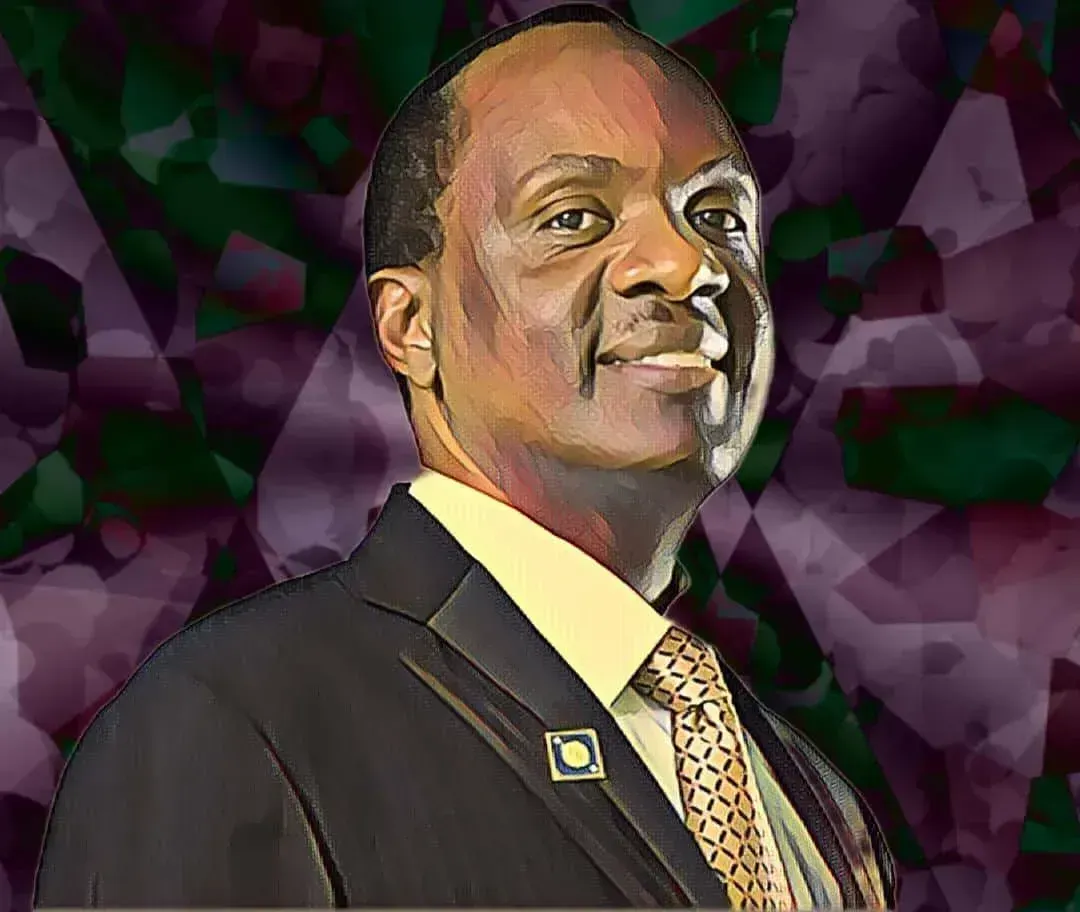
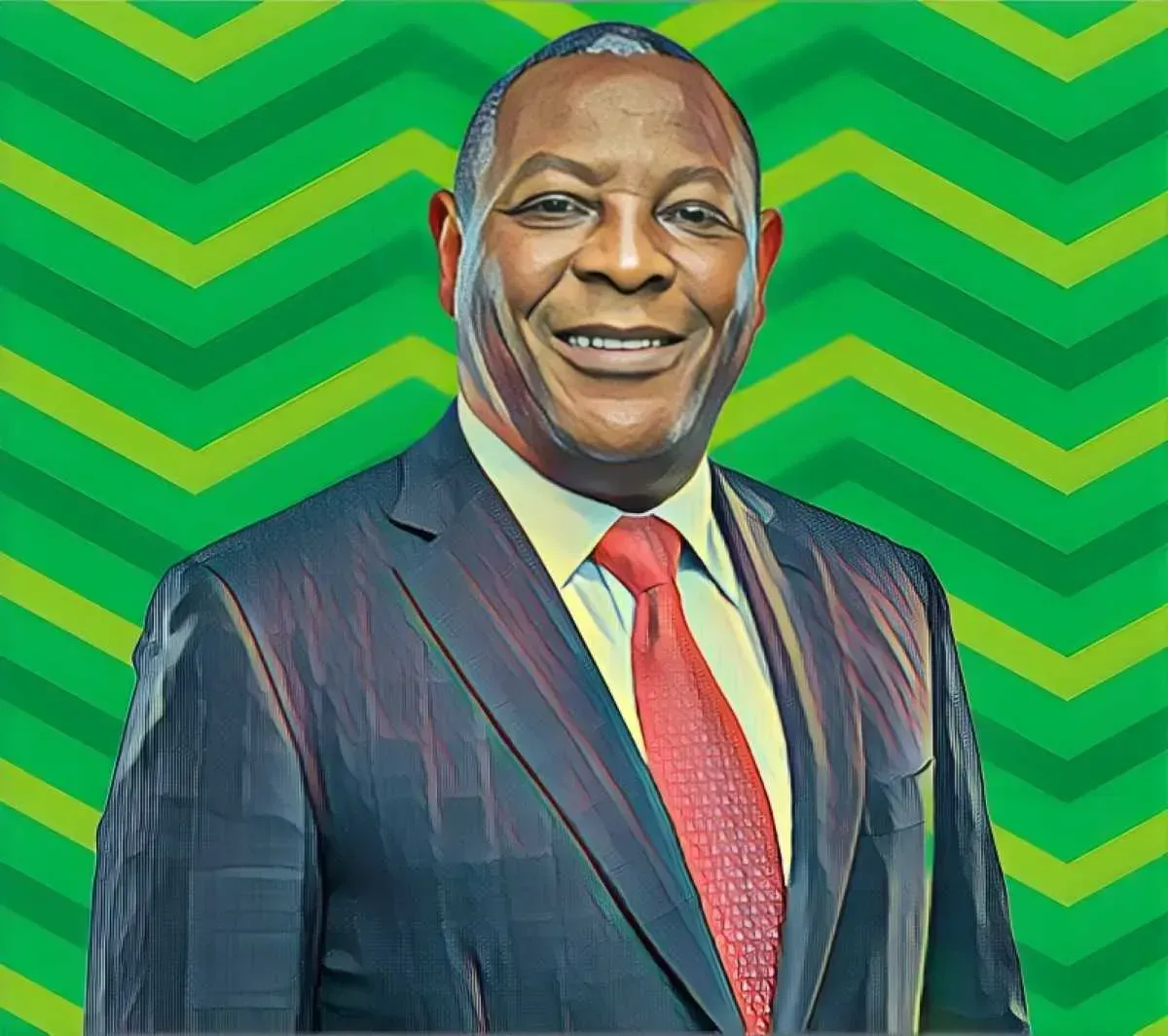
Four months ago, Billionaires.Africa valued James Mwangi's stake in Equity Group Holdings at $67.62 million and ranked him fourth on its list of the 20 richest investors on the Nairobi Securities Exchange. That was in February. The share price has moved since then. His 127.8 million shares are now worth $75 million at Equity Group's current NSE price of KES 76 per share and an exchange rate of KES 129.5 to the dollar. He has gained approximately $8 million in paper wealth in four months without buying a single additional share.
The share price movement reflects what Equity Group has been doing operationally. The bank posted a 55 percent jump in profit after tax to KES 75.5 billion ($583 million) for the full year 2025, its strongest result since Mwangi joined the institution in 1991 as finance director of what was then an insolvent building society. In the first quarter of 2026, it added a 24 percent year-on-year increase in profit after tax to KES 19.1 billion ($147.5 million). The balance sheet crossed KES 2 trillion for the first time in the group's history. Non-performing loans fell from 14 percent to 10 percent. Shareholders have noticed.
Mwangi has led Equity Group as group managing director and chief executive since 2004. Under his tenure, the bank has grown from a Kenyan community lender into a pan-African financial services group with 22.7 million customers across seven markets, total assets of KES 2.04 trillion ($15.75 billion) and subsidiaries in Uganda, Tanzania, Rwanda, South Sudan and the Democratic Republic of Congo. The regional businesses now contribute 50 percent of total banking profitability and 52 percent of total assets, a transformation that was neither obvious nor inevitable when the expansion began.
The DRC turned out to be the right bet
The DRC operation has been the biggest surprise in Equity's expansion story, and not in the way that doubters expected. When Equity acquired ProCredit Bank Congo in 2015 and subsequently merged it with Banque Commerciale du Congo in 2020 to create Equity BCDC, the conventional wisdom was that operating in the DRC was an expensive and risky way to chase marginal returns in one of Africa's most challenging business environments. The conventional wisdom was wrong. Equity BCDC is now the second largest bank in the DRC by market share. In 2025 it posted a 58 percent jump in profit after tax to KES 24.7 billion, more than any other regional subsidiary in absolute profit growth. In Q1 2026 it added a further 32 percent year-on-year increase to KES 5 billion. Uganda recorded a 300 percent surge in full year 2025 profits to KES 3.6 billion. Tanzania grew 150 percent in Q1 2026.
Insurance and the third pillar
Mwangi has been describing insurance as the third pillar of Equity Group alongside banking and financial technology for several years. In Q1 2026 the insurance figures justified the description. Equity Insurance Group reported gross written premiums up 30 percent to KES 4.5 billion and profit before tax up 53 percent to KES 640 million. Equity Life Assurance Kenya, which launched in March 2022, had reached fourth position in the Kenyan insurance industry within three years. The next step is the DRC, where Mwangi has confirmed plans to establish two separate insurance entities, replicating in the group's most profitable regional market the insurance model already running in Kenya.
Angola and the Lobito Corridor
The expansion story generating the most investor attention in 2026 is not the insurance push. It is the Lobito Corridor. In May, Mwangi told Reuters that Equity Group is targeting acquisitions in Angola, Zambia and Mozambique, following the 3,000-kilometre railway and logistics route running from the Atlantic port of Lobito through the DRC and into Zambia that was built to carry the critical minerals the global energy transition depends on. Angola is the most advanced. The group is moving to acquire a majority stake in an undisclosed Angolan bank this year after prolonged regulatory friction in Ethiopia stalled its entry into that market. Mozambique follows, where Mwangi secured a presidential meeting through an introduction facilitated by President William Ruto at an April 2026 diplomatic conference in Nairobi.
The 2030 target is 15 countries and 100 million customers. The group currently serves 22.7 million across seven markets. Getting from 22.7 million to 100 million in four years requires Angola, Zambia, Mozambique and several more acquisitions on top. Mwangi has made clear he intends to execute each of them.
His stake in the institution he has spent 34 years building is worth $75 million today. In February it was worth $67.62 million. The share price does not move without a reason. The reason, in this case, is a bank that has been delivering on every number it set out to deliver on, in markets that most people told the chief executive not to enter.
The intelligence satisfies curiosity. The paid briefings satisfy strategy.
Every Monday, Elite subscribers receive an Investor Memo breaking down the deal, the structure and the positioning behind the week's most consequential African wealth story - the kind of analysis that doesn't appear anywhere else.
Twice a month, a Wealth Intelligence brief profiles a single billionaire's holdings, cash flows and expansion pipeline in detail no public source matches.
→ Executive ($25/mo): Daily newsletter + Deep-Dive Reports
→ Elite ($75/mo): Everything above + Investor Memos + Wealth Intelligence + Quarterly Analyst Briefings
Subscribe now