

Table of Contents
A dry port in northern Benin owned by tycoon Samuel Dossou-Aworet's Petrolin Group has begun operations, shipping its first containers of cotton more than a decade after the project was conceived.
The Parakou dry port loaded its first cargo on June 23, when handling company Atral packed and dispatched cotton containers for the state cotton development company, SODECO, bound for the Port of Cotonou and onward to export markets. Managers said the facility is now open to importers and exporters across the region.
The site sits about three kilometres from central Parakou, in Benin's Borgou department, on a 50-hectare plot that can expand to 100 hectares as traffic grows. It is connected to the existing Cotonou-Parakou railway and to the national road network, and includes warehousing and handling equipment built to move goods in bulk.
The dry port is a central piece of the Backbone Project, an integrated corridor programme that Petrolin has pursued under a public-private partnership with the Benin government since 2010. The wider plan also envisions a deep-water port at Seme-Podji, an international airport at Kraké and the rehabilitation of the Cotonou-Parakou railway, with an extension toward Niamey in Niger.
The aim is to turn Benin into a transit hub for the landlocked Sahel. Petrolin says the corridor is designed to serve goods moving to and from Niger, Burkina Faso, Mali and northern Nigeria, a hinterland of more than 350 million people, easing pressure on the coastal Port of Cotonou.
The launch ends years of delay. Dossou-Aworet announced in July 2024 that the facility, built and run through Petrolin subsidiary PIC International, had secured all the permits it needed, and President Patrice Talon repeatedly pushed for the site to be brought into service. The first shipments this June marked the shift from a finished but idle facility to a working one.
Cotton is a fitting first cargo. Benin is West Africa's largest cotton producer, though output has slipped for three straight seasons to below 500,000 tons after topping 700,000 tons. To revive the crop, the government announced in early June a bonus of 10 CFA francs per kilogram if 2026/27 production climbs back above that threshold, a package worth about $12 million (7 billion CFA francs).
The port's growth will track those harvests. Handling volumes at Parakou will depend on the pace of exports in the 2026/27 season, whose results will be tallied when the campaign ends. Rail upgrades that would speed cargo between Parakou and Cotonou have not yet been completed, so trucks carry most of the traffic for now.
The project has not been without disputes. Petrolin won the Cotonou-Parakou-Dosso-Niamey rail concession through an international tender in 2010, a claim later reaffirmed by Benin's Supreme Court in 2017 after what the group described as an attempt to strip its rights. International advisers including SNCF International, the Port of Le Havre, EY and Technip have worked on studies and structuring for the corridor.
The dry port itself has been described by Petrolin as a logistics jewel meant to drive economic growth in central Benin. Its main hangar covers about 6,400 square metres with storage capacity of roughly 48,000 cubic metres, giving it room to consolidate cargo before it moves to the coast.
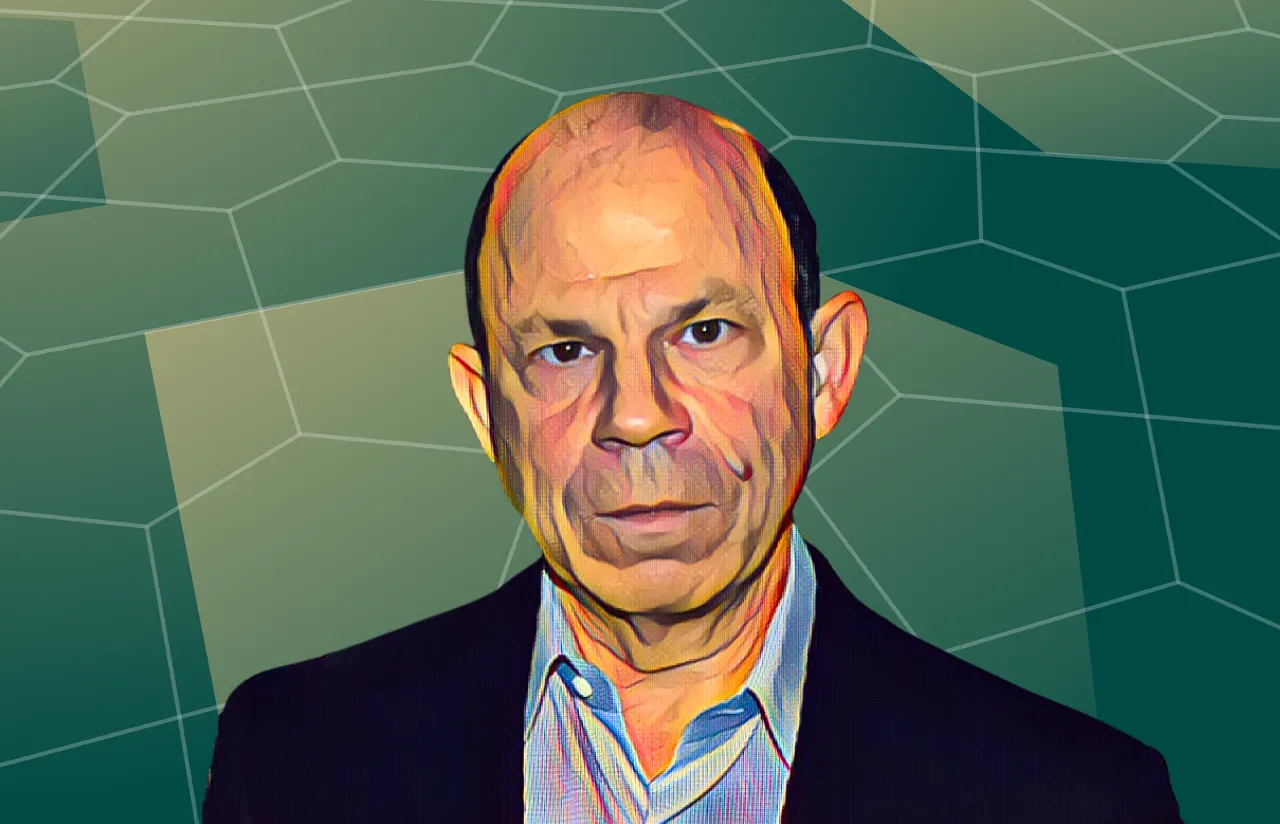
Dossou-Aworet built his fortune in oil. Born in Porto-Novo, he trained as a petroleum engineer and ran Gabon's hydrocarbons directorate for more than a decade, chairing the OPEC Board of Governors, before founding Petrolin in London in 1992. The group grew from consulting and trading into oil exploration and production, with stakes today in Nigerian producers Seplat Energy and ND Western. The Backbone Project has been his most ambitious bet, a self-funded effort to knit Benin's ports, rail and roads into a single trade route.
Ivorian executive Rodrigue Alia, who runs the dry port, said operations had started smoothly and invited businesses across the sub-region to route cargo through Parakou. The government has framed the opening as proof that its partnership with Petrolin, in place for more than 15 years, is finally delivering physical infrastructure.
Much of the corridor's promise still rests on projects yet to be built, above all the deep-water port and the cross-border railway to Niger. The Parakou opening gives Dossou-Aworet a working first link, and a chance to show that the rest of the plan can follow.
The intelligence satisfies curiosity. The paid briefings satisfy strategy.
Every Monday, Elite subscribers receive an Investor Memo breaking down the deal, the structure and the positioning behind the week's most consequential African wealth story - the kind of analysis that doesn't appear anywhere else.
Twice a month, a Wealth Intelligence brief profiles a single billionaire's holdings, cash flows and expansion pipeline in detail no public source matches.
→ Executive ($25/mo): Daily newsletter + Deep-Dive Reports
→ Elite ($75/mo): Everything above + Investor Memos + Wealth Intelligence + Quarterly Analyst Briefings
Subscribe now