


Table of Contents
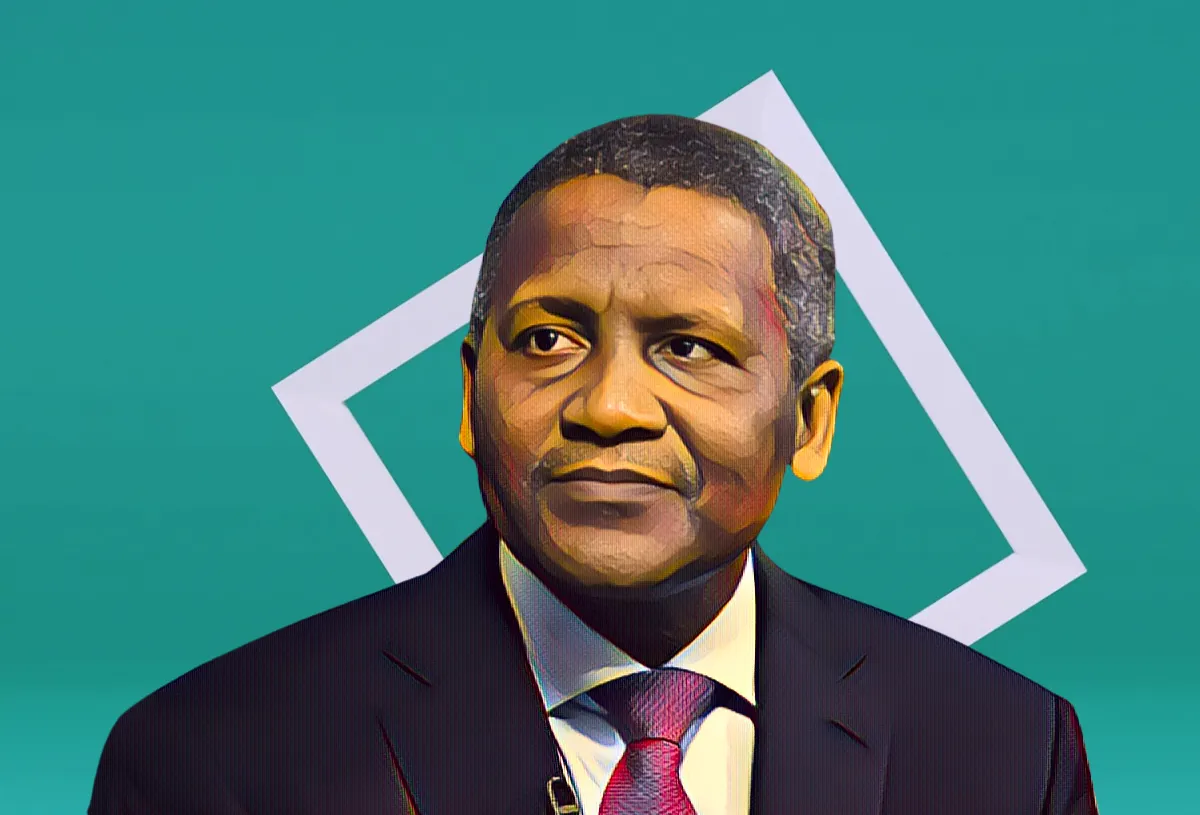
Greenpeace Africa has called for an immediate halt to Aliko Dangote's planned $17 billion oil refinery in Lamu, warning that the project threatens one of East Africa's most fragile coastal ecosystems and would lock Kenya into decades of fossil fuel dependence.
The environmental group issued its statement on Tuesday, a week after Dangote confirmed the coastal town as the site for the 700,000-barrel-a-day plant, ending months of speculation that Tanzania might host it. The intervention adds organised environmental opposition to a project the Kenyan government has embraced as the largest private investment in its history.
Greenpeace wants all approvals suspended until an independent environmental and social impact assessment is completed, published and put to public participation. The group said the review should weigh the cumulative effect on Lamu's marine ecosystems and fishing communities, along with the long-term economic and climate risks of building large-scale fossil fuel infrastructure.
"This project threatens to damage one of East Africa's most fragile coastal ecosystems while locking Kenya into a risky fossil fuel future," said Sherelee Odayar, oil and gas campaigner at Greenpeace Africa.
Greenpeace Africa is the continental arm of Greenpeace, the global environmental campaign group founded in 1971. It launched in 2008 and operates across several African countries from a base in Johannesburg, campaigning against deforestation, plastic pollution and fossil fuel expansion while pressing African governments to shift toward renewable energy. Like the wider organisation, it takes no money from governments or corporations and relies on individual donors, a funding model it uses to argue that it can challenge state-backed projects without a conflict of interest.
The area at stake supports a dense web of marine life. Lamu's mangroves, coral reefs and seagrass beds sustain fisheries, protect the coastline and underpin the livelihoods of thousands of residents, the group said. A refinery of that scale, it argued, raises the risk of oil spills, marine pollution, habitat destruction and worsening air quality. The town is home to a UNESCO World Heritage Site.
Greenpeace also challenged the economic case the government has built around jobs. President William Ruto has said the refinery would create about 60,000 jobs and has praised it as a boost to energy security. The group countered that large fossil fuel projects tend to generate temporary construction work while undermining existing employment in fishing, tourism and small local economies.
"The promise of thousands of jobs cannot be used to hide the true cost of this investment," Odayar said.
The campaigners argued that the capital earmarked for the plant would be better directed toward renewable energy, citing solar, wind, geothermal power, storage and improved electricity access. They warned the refinery risks becoming a stranded asset as the world shifts toward cleaner energy and demand for refined fossil fuels declines.
The opposition is not confined to Greenpeace. Days earlier, constitutional lawyer Levi Munyeri gave the Ruto administration a one-week ultimatum to hold public participation with Lamu residents or face a High Court challenge to stop the project. Other activists, including members of the Kenya Oil and Gas Working Group and the rights organisation Muslims for Human Rights, have raised similar concerns about spill risk and the adequacy of public consultation.
Dangote Industries says the project is already moving. The company has identified the site, begun soil testing and started engineering and design work, with construction expected to take about 30 months once implementation begins. The plant would supply refined products to Kenya and neighbouring countries, cutting East Africa's reliance on imported fuel.
The government has put money behind it. Officials have said Kenya set aside about $193 million (25 billion shillings) in seed capital for the venture, and Deputy President Kithure Kindiki has been appointed to lead a government team working with investors and agencies ahead of construction. The plant would draw on Lamu's deep-water port and its position along the Lamu Port-South Sudan-Ethiopia Transport corridor.
Dangote plans to finance the refinery through internal cash flow, bonds and a planned initial public offering. At $17 billion, roughly 2.2 trillion shillings, it would rank as the largest refinery in East Africa and one of the biggest on the continent. Kenya imports nearly all its refined petroleum products after the closure of the former Kenya Petroleum Refineries plant in Mombasa.
The dispute mirrors a pattern that has followed Dangote's largest projects. His refinery near Lagos, which began operating in 2024, became one of the world's biggest refining complexes but faced years of delays, cost overruns and disputes with regulators and rivals. The Kenyan project would be his largest investment outside Nigeria.
Lamu residents are divided. County leaders and some members of the public have welcomed the promise of jobs and investment, while others remain wary, citing earlier disappointments with large infrastructure projects in the area that delivered less than promised.
The groundbreaking is expected later this year. Greenpeace's demand sets up a test of whether the environmental review the group is seeking will precede construction or follow a decision the government has already made.
The intelligence satisfies curiosity. The paid briefings satisfy strategy.
Every Monday, Elite subscribers receive an Investor Memo breaking down the deal, the structure and the positioning behind the week's most consequential African wealth story - the kind of analysis that doesn't appear anywhere else.
Twice a month, a Wealth Intelligence brief profiles a single billionaire's holdings, cash flows and expansion pipeline in detail no public source matches.
→ Executive ($25/mo): Daily newsletter + Deep-Dive Reports
→ Elite ($75/mo): Everything above + Investor Memos + Wealth Intelligence + Quarterly Analyst Briefings
Subscribe now