

Table of Contents
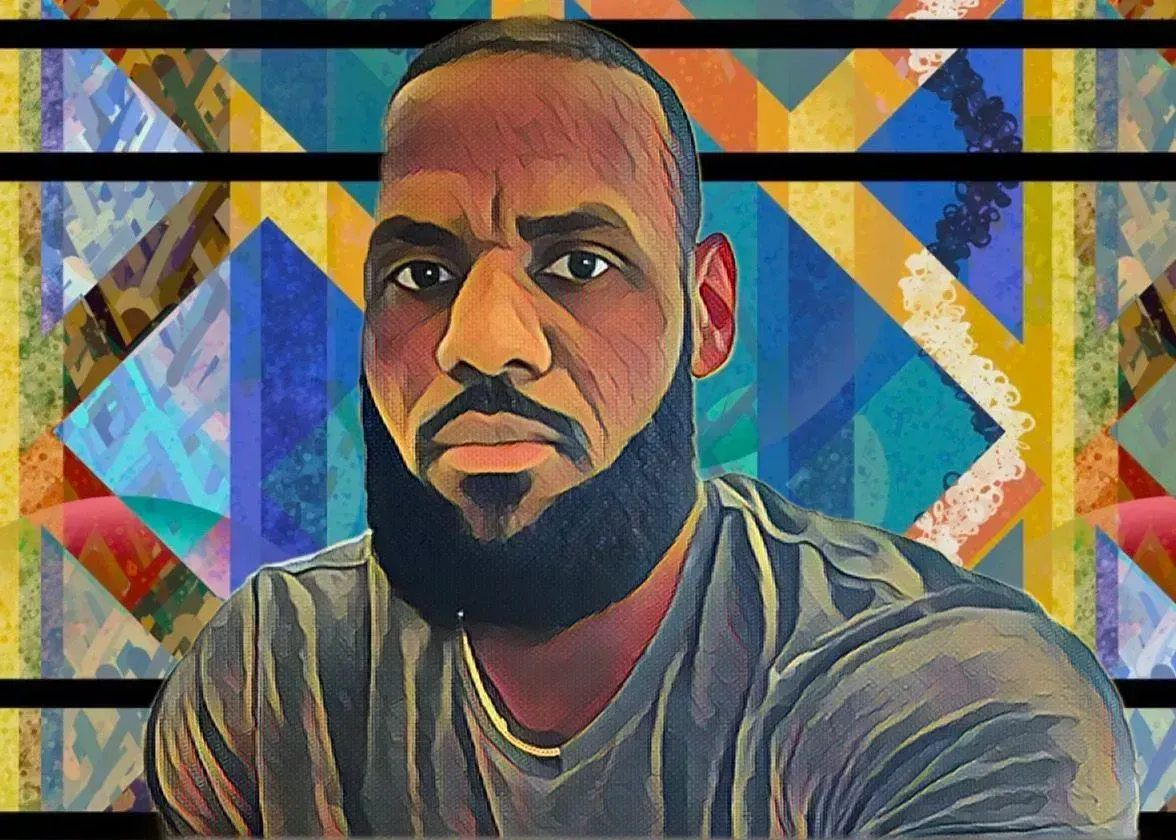
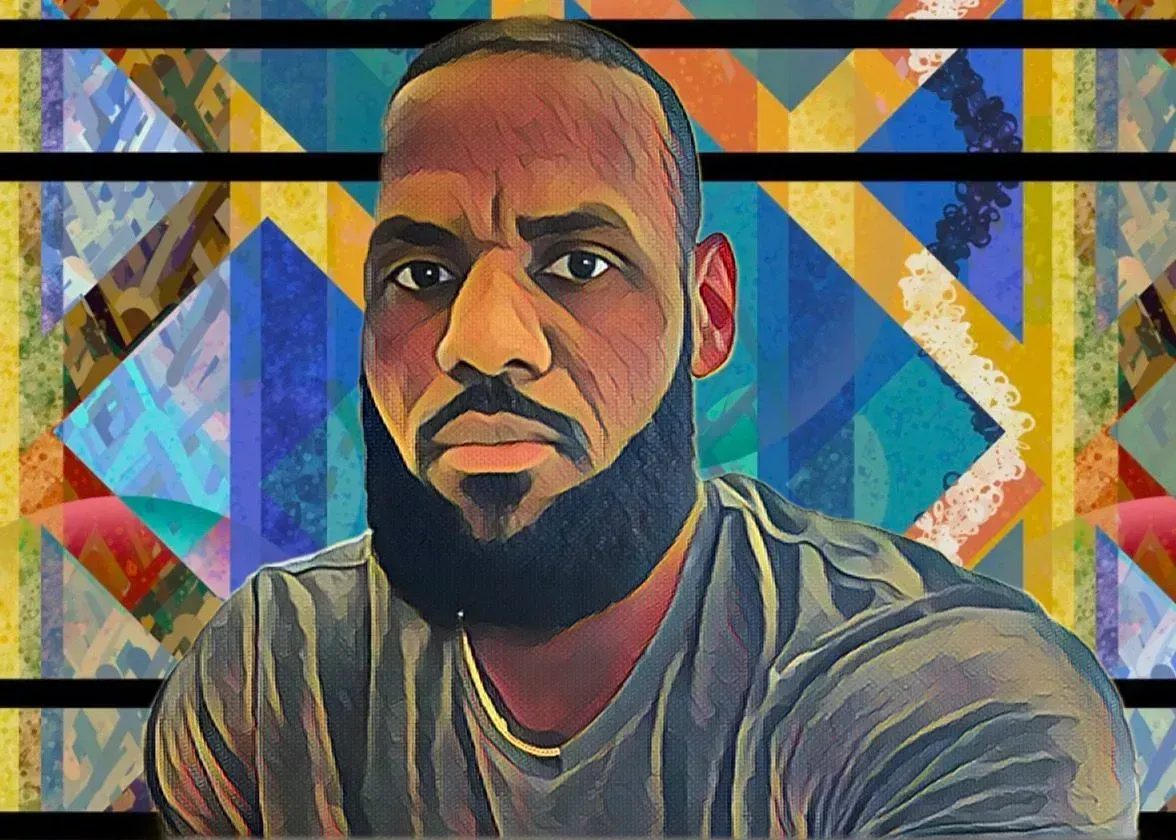
LeBron James says the mentorship that shaped his business career began when he was 16 years old, sitting quietly in a room with Jay-Z and saying almost nothing.
The basketball star, who became the first active NBA player to reach billionaire status, described the relationship during a conversation at the CNBC Sport and Boardroom Game Plan Summit at Fanatics Fest in New York on Thursday. He drew a distinction between the figure who shaped his game and the one who shaped everything around it.
"I say M.J. was my biggest inspiration as far as basketball, but I never got an opportunity to hang with him or talk to him or whatever," James said. "But Jay is like my big brother. He's the one who's given me so much game and has taught me so much."
Watching rather than asking
James met the rapper while Jay-Z was on tour, at a point when he was already a nationally known high school prospect but had no experience of the rooms he was about to enter. He and his childhood friends made no requests and sought no favours.
"We really just watched Jay and how they moved and how he moved, and it was like a sponge," James said. "We didn't say much. We didn't ask for much. We just sat there."
What registered was not the wealth but the conduct. "He moved how a person that knows who he is and what he brings to the table is supposed to move," James said. "And from the business side, to the way he talked, to the way he greeted people. It was just an aura about him and a professionalism in his respective genre that we all kind of learned."
The influence has outlasted both men's early careers. "I'm always thinking about him any time I'm doing something business-wise or making a decision or whatever, thinking like, is this going to make him proud?" James said. "Because he gave me so much game as a 16-year-old kid."
Two templates for converting fame into ownership
The men James credits and the man doing the crediting have followed a similar route, converting cultural standing into equity rather than fees.
Jay-Z built Roc Nation into an entertainment and sports representation company, then generated the bulk of his fortune by selling stakes in businesses he had built around his own name. He sold half of the champagne brand Armand de Brignac to LVMH in 2021, sold a majority stake in the streaming service Tidal to Jack Dorsey's Square the same year for $297 million, and exited the cognac brand D'Ussé in a deal with Bacardi reported at roughly $750 million. Forbes declared him hip-hop's first billionaire in 2019.
James has assembled a portfolio spanning media, entertainment, education and philanthropy. The SpringHill Company, the production and brand business he co-founded with Maverick Carter, houses UNINTERRUPTED, the athlete-empowerment media platform, and has drawn outside investment from Nike, RedBird Capital and Epic Games. He holds a stake in Fenway Sports Group, the owner of Liverpool Football Club and the Boston Red Sox, and runs the LeBron James Family Foundation, which opened the I Promise School in his hometown of Akron, Ohio.
The venue for Thursday's conversation carried its own signal. Boardroom, the sports business media network that co-hosted the summit, was founded by Kevin Durant and his manager Rich Kleiman, part of the same shift in which athletes have moved from endorsing companies to owning them and covering the industry that pays them.
An informal system
James framed the relationship as something other than a structured programme, and the pattern he described is one that has repeated across a generation of Black entertainers and athletes who reached wealth without a template for holding onto it.
The value of the exposure lay in observation rather than instruction. A teenager watching how a self-made businessman handled a room, negotiated deference and treated people learned something that could not be taught in a meeting, at a moment when he was about to be handed both money and attention on a scale few are prepared for.
Jay-Z, who moved from Brooklyn to the centre of American business, offered a model for expansion that did not require severing ties to where he started, a question that has confronted nearly every figure who has made the same journey.
Both men now sit on the other side of that exchange, with younger athletes and artists watching how they operate. James has spoken repeatedly about wanting to own a franchise after he retires, a step that would place him alongside Michael Jordan and Magic Johnson among former players who crossed fully into ownership.
The mentorship James described took place over two decades, and it began with a 16-year-old deciding to keep quiet and pay attention.
The intelligence satisfies curiosity. The paid briefings satisfy strategy.
Every Monday, Elite subscribers receive an Investor Memo breaking down the deal, the structure and the positioning behind the week's most consequential African wealth story - the kind of analysis that doesn't appear anywhere else.
Twice a month, a Wealth Intelligence brief profiles a single billionaire's holdings, cash flows and expansion pipeline in detail no public source matches.
→ Executive ($25/mo): Daily newsletter + Deep-Dive Reports
→ Elite ($75/mo): Everything above + Investor Memos + Wealth Intelligence + Quarterly Analyst Briefings
Subscribe now