


Table of Contents
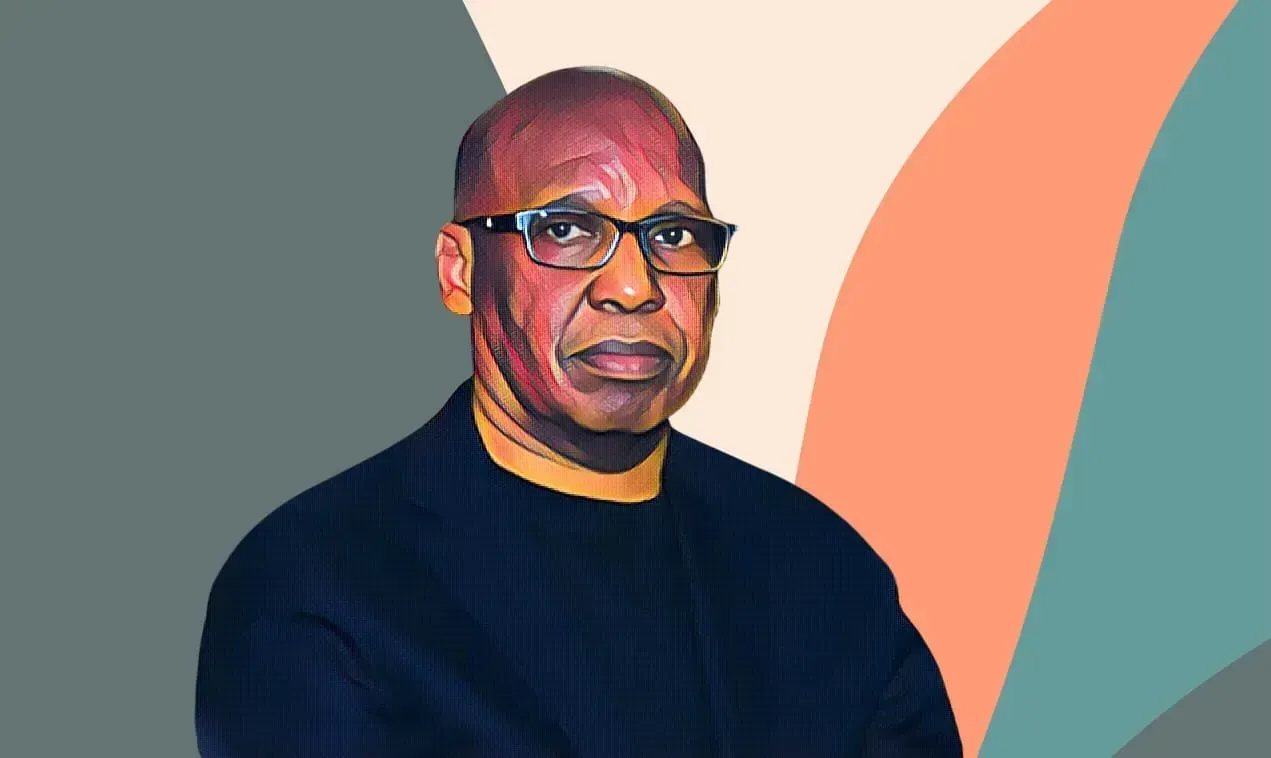
Taifa Gas, the liquefied petroleum gas company controlled by Tanzanian billionaire Rostam Azizi, is nearing completion of a Sh16 billion terminal in Mombasa, about $124 million, that stands to break the duopoly controlling nearly all of Kenya's cooking gas imports.
Kenya's Special Economic Zones Authority said in July that the 30,000-tonne facility at the Dongo Kundu Special Economic Zone was approaching completion, though it gave no firm commissioning date. The update followed an earlier projection that operations would begin around March or April, after the project reached roughly 80 percent completion in January.
The terminal is designed to hold 30,000 metric tonnes across 12 spherical tanks on a 30-acre site near the Port of Mombasa, with room to expand to 45,000 tonnes. It is being developed by Taifa Gas Investments SEZ Limited and is built for bulk imports, storage and onward distribution across the region.
Capacity that reshapes the market
The scale is large against Kenya's existing base. Installed LPG storage capacity stood at 44,430 tonnes in March 2025, according to the Energy and Petroleum Regulatory Authority, which singled out LPG as the petroleum product most in need of additional storage. Taifa Gas's initial capacity alone equals about two-thirds of the country's installed total at that point.
Import infrastructure has been tightly concentrated. Between July and December 2025, roughly 208 million kilograms of LPG entered Kenya through the AGOL jetty and about 22 million kilograms through the Lake Gas jetty, splitting the market close to 90 percent and 10 percent. Two facilities handled all recorded imports in the period. Taifa Gas introduces a third large-scale route into a market two players have divided almost entirely between themselves.
More capacity gives marketers additional storage options, allows larger cargoes to be received and reduces the risk of delivery delays or emergency purchases when a single terminal faces disruption.
Demand is climbing
The investment case rests on rising consumption. LPG demand grew 14.59 percent year on year to 251,425 tonnes in the second half of 2025, driven by clean-cooking programmes and households switching away from wood and charcoal. The regulator projects national demand to rise from about 446,190 tonnes in 2025 to 588,900 tonnes by 2029.
Mombasa already anchors fuel flows to Uganda, Rwanda, Burundi, South Sudan and parts of the Democratic Republic of Congo, giving the terminal a potential regional transit role, though actual exports will depend on commercial demand and cross-border logistics.
Lower prices are not guaranteed
Whether the terminal lowers what Kenyans pay at the cylinder is a separate question. Greater storage can trim supply-chain costs by letting importers order larger shipments and spread fixed costs over more tonnes, and added competition may pressure terminal handling charges. Those savings only reach households if they pass through the wholesale and retail chain.
Kenya's LPG prices are market-driven rather than set by the monthly formula that governs petrol, diesel and kerosene. Retail costs remain exposed to international propane and butane benchmarks, the shilling's exchange rate, taxes, financing costs, port and handling charges, inland transport and dealer margins. The regulator has said it may intervene if evidence of market failure emerges. The clearest near-term gain is a more reliable supply system that leans less on one dominant import route.
The billionaire behind Taifa Gas
Azizi, 62, chairs Taifa Group, whose flagship business is Taifa Gas, one of the largest LPG distributors in East and Southern Africa, with operations across Uganda, Rwanda, South Sudan and Zambia. Billionaires.Africa estimates his fortune at around $700 million. Forbes named him Tanzania's first dollar billionaire in 2013.
His wealth began in telecommunications, where he helped build Vodacom Tanzania into the market leader before exiting in stages, selling a 17.2 percent stake to South Africa's Vodacom Group for about $250 million in 2014 and the remainder for roughly $220 million in 2019 through his investment vehicle Mirambo Holdings. A former member of parliament for Igunga, he served from 1994 until resigning in 2011. His interests now span energy, mining through Caspian Mining, aviation, leather and real estate in Tanzania, Dubai and Oman.
Azizi extended his reach into media in March, when his firm Taarifa Limited agreed to buy the Aga Khan Fund for Economic Development's controlling stake in Nairobi-listed Nation Media Group, ending a partnership that ran back to 1959.
A project delayed by disputes
Construction of the Mombasa terminal began in 2023 but stalled amid compensation and resettlement disputes with affected residents, resuming after those issues were cleared in late 2025. The development also drew legal challenges over alleged environmental harm, including claims of coral disruption and inadequate community consultation. A Kenyan court upheld the project in 2025, clearing the way for completion.
President William Ruto, who has pledged to widen household access to cooking gas, first commissioned the plant in 2023 and has backed it as the largest private foreign direct investment in Kenya in decades. Its opening will mark the first serious competition in the country's LPG import market in years.
The intelligence satisfies curiosity. The paid briefings satisfy strategy.
Every Monday, Elite subscribers receive an Investor Memo breaking down the deal, the structure and the positioning behind the week's most consequential African wealth story — the kind of analysis that doesn't appear anywhere else.
Twice a month, a Wealth Intelligence brief profiles a single billionaire's holdings, cash flows and expansion pipeline in detail no public source matches.
→ Executive ($25/mo): Daily newsletter + Deep-Dive Reports
→ Elite ($75/mo): Everything above + Investor Memos + Wealth Intelligence + Quarterly Analyst Briefings
Subscribe now