


Table of Contents
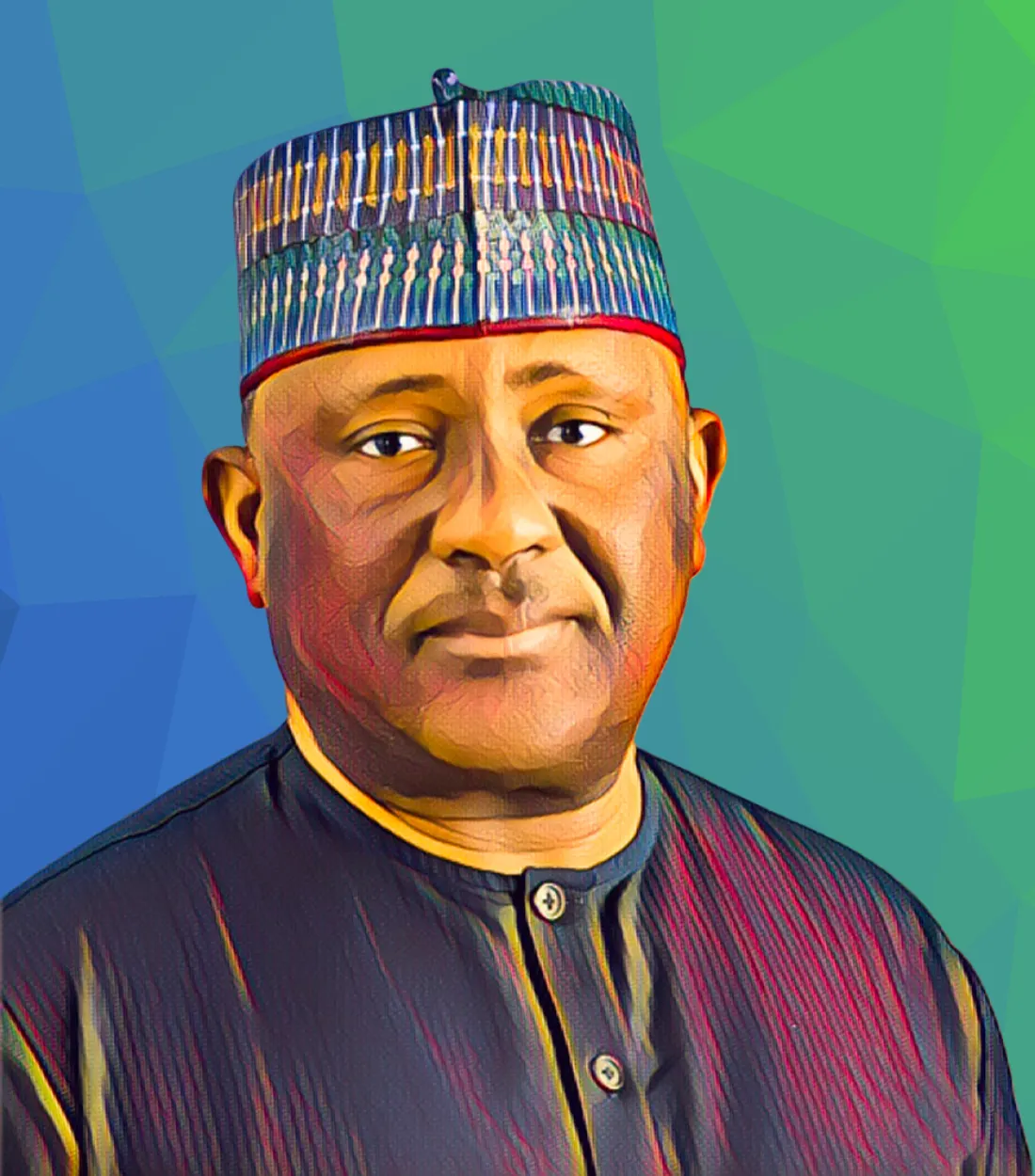
Nigerian billionaire Abdul Samad Rabiu is privately funding the construction of 120 homes for the country's most junior soldiers, a ₦2 billion project his foundation says has now reached 85 percent completion.
The scheme, worth about $1.44 million at current exchange rates, will house Nigerian Army personnel holding the rank of corporal and below. It is being built under what the foundation calls its Security Sector Support Grant.
Ubon Udoh, managing director and chief executive of the Abdul Samad Rabiu Africa Initiative, disclosed the progress during a visit to the chief of army staff, Lieutenant General Waidi Shaibu, at army headquarters in Abuja, the Nigerian capital.
Udoh said the project reflects Rabiu's view that peace, security and social cohesion are the foundations of sustainable national development, and pledged that it would be delivered with quality, transparency and fiscal responsibility.
The choice of beneficiaries is deliberate. Corporals and below are the most junior ranks in the Nigerian Army, the soldiers who carry out frontline duty in the country's several ongoing security operations. Nigeria has fought an insurgency in its northeast for more than fifteen years, alongside banditry and kidnapping across the northwest and a separate set of conflicts in the oil-producing south.
Housing for those ranks is often poor, and welfare has become a recurring theme in Nigerian public debate about the armed forces.
Shaibu thanked the foundation and its chairman, describing the project as a major contribution to soldiers' welfare and arguing that better conditions improve morale and commitment to duty. He urged more private organisations and philanthropists to support the military, particularly by caring for injured personnel and the families of soldiers killed in service.
Udoh also congratulated Shaibu on his appointment and offered condolences over the death of his predecessor.
The money behind it
ASR Africa was established in 2021 as Rabiu's philanthropic vehicle, funded from the profits of the industrial group he built.
Rabiu founded BUA Group in 1988, trading in iron, steel and chemicals, and expanded into cement, sugar, flour, pasta and edible oils. Two of its arms are listed on the Nigerian Exchange, the country's main stock market. He holds close to 86 percent of BUA Cement and about 92.6 percent of BUA Foods, unusually concentrated ownership even by the standards of African family conglomerates.
Forbes valued him at about $13 billion this week, ranking him among the wealthiest people in the world and the second wealthiest in Nigeria after Aliko Dangote, his principal rival in cement.
The foundation has committed money across four areas: health, education, social development and security. Its largest programme is the ASR Africa Tertiary Education Grant, which has funded buildings at universities across Nigeria.
By the standards of Rabiu's wealth, the army project is modest. ₦2 billion is roughly one ten-thousandth of the value of his BUA Foods holding alone. Its significance lies in the recipient rather than the sum, since private philanthropy directed at a national army is unusual anywhere and carries a particular weight in a country where the military's resourcing is politically contested.
A different kind of intervention
Corporate giving in Nigeria has traditionally concentrated on education, health and religious institutions. Security has been left to the state.
That is changing as Nigerian businesses absorb the cost of insecurity directly, through disrupted supply routes, kidnapped staff and higher transport and protection expenses. A cement and food manufacturer with plants and distribution networks spread across the country has a commercial interest in a functioning army, alongside whatever philanthropic motive is stated.
Rabiu has not commented publicly on the project beyond the statements attributed to him through the foundation.
No completion date was announced for the remaining 15 percent of the housing units, and the foundation did not say where the estate is located or when soldiers will move in.
The intelligence satisfies curiosity. The paid briefings satisfy strategy.
Every Monday, Elite subscribers receive an Investor Memo breaking down the deal, the structure and the positioning behind the week's most consequential African wealth story - the kind of analysis that doesn't appear anywhere else.
Twice a month, a Wealth Intelligence brief profiles a single billionaire's holdings, cash flows and expansion pipeline in detail no public source matches.
→ Executive ($25/mo): Daily newsletter + Deep-Dive Reports
→ Elite ($75/mo): Everything above + Investor Memos + Wealth Intelligence + Quarterly Analyst Briefings
Subscribe now