


Table of Contents
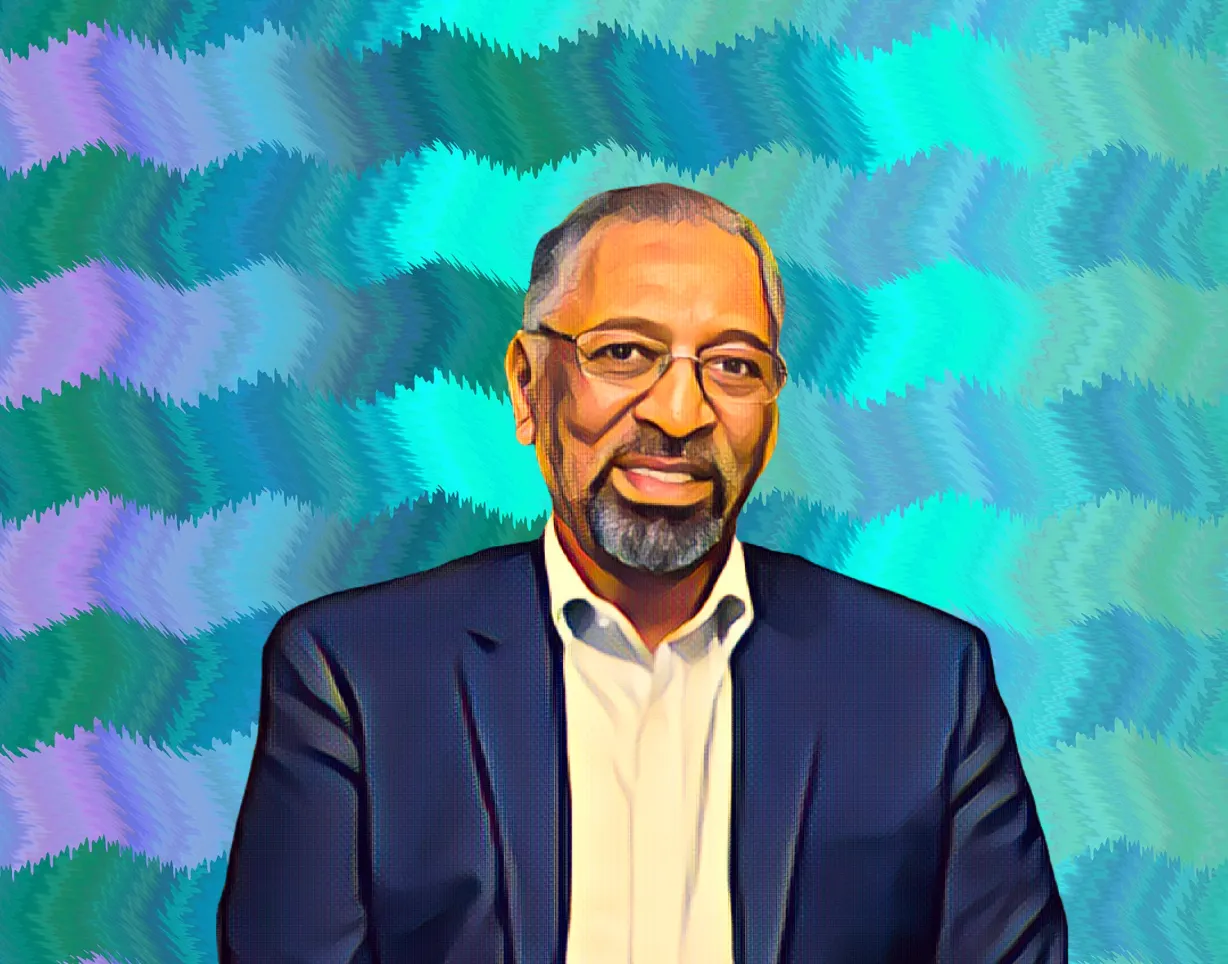
Rostam Aziz is months away from opening a $130 million liquefied petroleum gas terminal in Mombasa that stands to break one of the most concentrated energy markets in Africa.
Taifa Gas, the Tanzanian company he chairs, has begun hydrostatic testing at the Dongo Kundu Special Economic Zone, the final safety procedure before pressurised storage vessels can be commissioned. Inspectors from Kenya's Energy and Petroleum Regulatory Authority and the Kenya Bureau of Standards are witnessing the tests.
Once operational the facility will be East Africa's largest LPG storage terminal, holding 30,000 metric tonnes across twelve spherical pressurised tanks on a 30-acre site, with room to expand to 45,000 tonnes.
Liquefied petroleum gas is what most East African households use for cooking. Kenya imports almost all of it, and for more than two decades the business of bringing it into the country has been held by very few hands.
African Gas and Oil Company, owned by the Mombasa businessman Mohammed Jaffer, handled about 208 million kilogrammes in the six months to December 2025, close to 90% of all Kenyan imports. Lake Gas, another Tanzanian operator running a 10,000-tonne terminal at Vipingo in Kilifi County, handled roughly 22 million kilogrammes. Between them the two companies control more than 98% of the market.
Industry players have long argued that the concentration keeps wholesale handling costs high and deters investment in new infrastructure. Kenyan households pay the difference.
The Dongo Kundu terminal is designed to attack that directly. It can receive very large gas carriers at its own marine berth rather than depending on facilities owned by competitors, which removes both the third-party handling fee and the scheduling constraint that comes with sharing infrastructure.
Anthony Musyoka, the site manager, said construction of the storage tanks is complete and electrical systems, instrumentation and product pipelines are in final installation. "The government has been very cooperative," he said. "The Kenya Ports Authority has also provided all documentation required for the marine connection."
Lee Kinyanjui, Kenya's cabinet secretary for investments, trade and industry, said operations should begin within three months, making Taifa Gas the first major investor to start work inside the Dongo Kundu zone.
"Instead of importing gas from Tanzania and elsewhere, Mombasa will become the logistics hub serving Kenya and neighbouring countries," he said.
Getting here took three years and a court fight. President William Ruto broke ground at the site in February 2023, describing it at the time as the largest private foreign direct investment in Kenya since 1977. Construction then stalled after residents challenged the project's environmental and safety approvals. Kenya's High Court dismissed the petition in late 2025 and work resumed.
The Mombasa terminal completes a three-port network along the Indian Ocean coast. Taifa Gas already operates import terminals at Dar es Salaam and Zanzibar, and Aziz has framed the combination as a supply-security arrangement rather than three separate businesses.
"When gas runs low in Mombasa, it can be supplied from Dar es Salaam, and when Dar es Salaam faces shortages, it can be replenished from Mombasa," he said at the Kenya-Tanzania Business Forum. "Zanzibar will also benefit from the same network."
The commercial logic runs deeper than redundancy. Consolidating three ports into one procurement operation gives Taifa Gas larger cargo volumes to negotiate with Middle Eastern suppliers, which lowers the landed cost per tonne. Until now the company has served Kenya mainly by trucking cylinders across the border, a model limited by transport costs and carrying capacity.
Aziz has also moved upstream. Taifa Gas has agreed to acquire 49% of PanAfrican Energy, which operates Tanzania's Songo Songo natural gas field, extending the group from production through to distribution.
He was named Tanzania's first dollar billionaire by Forbes in 2013. His Taifa Group spans telecommunications, mining, energy, infrastructure, aviation, media, logistics, agriculture and real estate, and he took majority control of Nation Media Group, East Africa's largest independent media house, in March.
Neither Taifa Gas nor the Kenyan government has said what the terminal will charge for handling, which is the number that will determine whether the new capacity actually reaches household prices.
The intelligence satisfies curiosity. The paid briefings satisfy strategy.
Every Monday, Elite subscribers receive an Investor Memo breaking down the deal, the structure and the positioning behind the week's most consequential African wealth story - the kind of analysis that doesn't appear anywhere else.
Twice a month, a Wealth Intelligence brief profiles a single billionaire's holdings, cash flows and expansion pipeline in detail no public source matches.
→ Executive ($25/mo): Daily newsletter + Deep-Dive Reports
→ Elite ($75/mo): Everything above + Investor Memos + Wealth Intelligence + Quarterly Analyst Briefings
Subscribe now