

Table of Contents
RDC Properties Limited holds a portfolio valued at 5.97 billion pula, about $439.3 million, across seven countries. It was the first property fund to list on the Botswana Stock Exchange, and it remains the largest. The family that owns and runs it has been in the construction business since 1878.
The Giachetti family established a civil engineering company in Italy in that year. Its early work was rail infrastructure. In 1916 it built the Napoli Pozzuoli station in Naples, part of one of the first metro lines constructed in Italy.
The company moved into African construction in 1961, investing in Nigeria. It entered Botswana in 1970, four years after the country gained independence from Britain, and has operated there since.
RDC Properties was registered in 1992 and listed on the Botswana Stock Exchange that year, the first property fund on an exchange that today carries 31 equity listings and 49 bond listings. It was restructured as a variable rate loan stock in 1996, a structure that pays holders a return linked to interest rates rather than a fixed coupon.
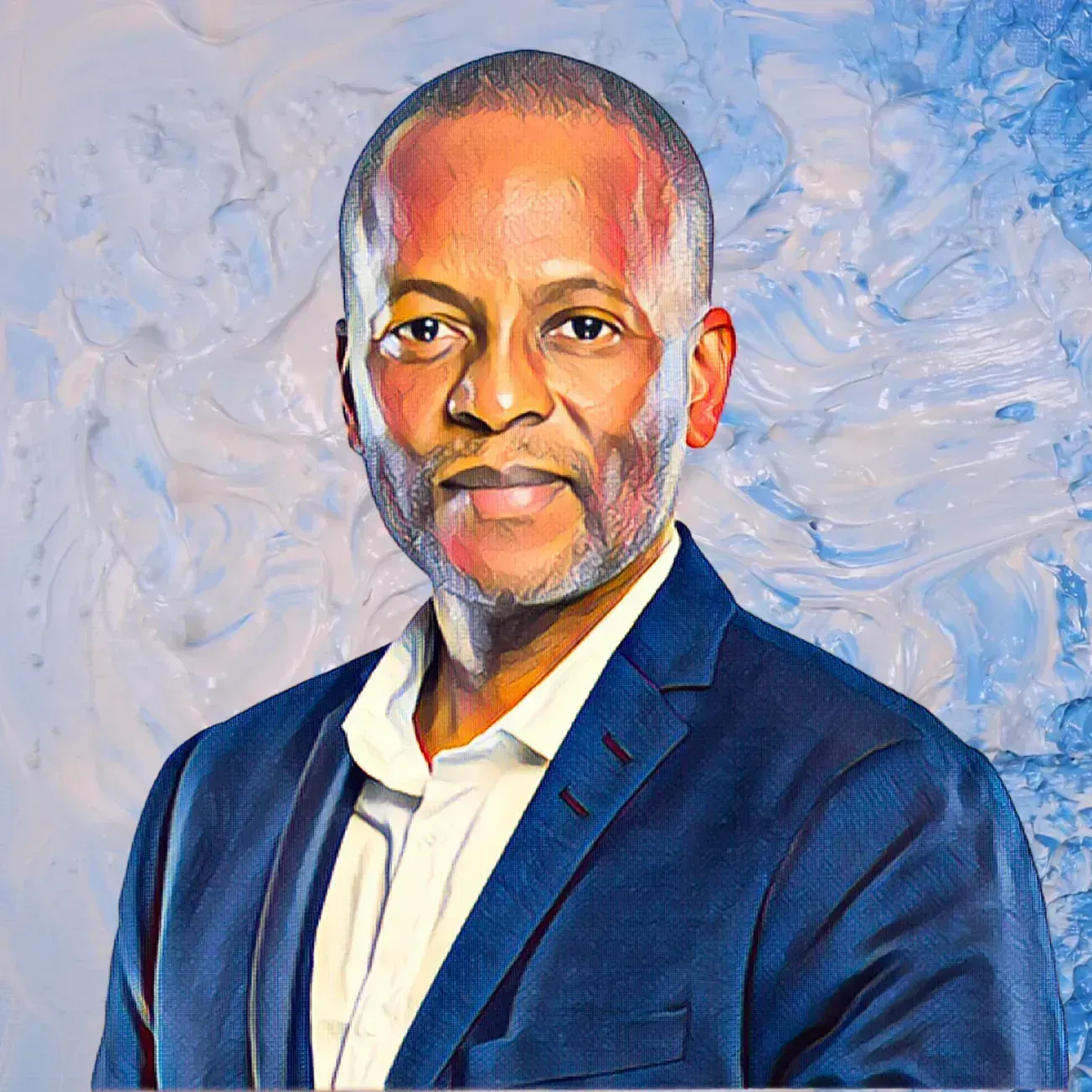
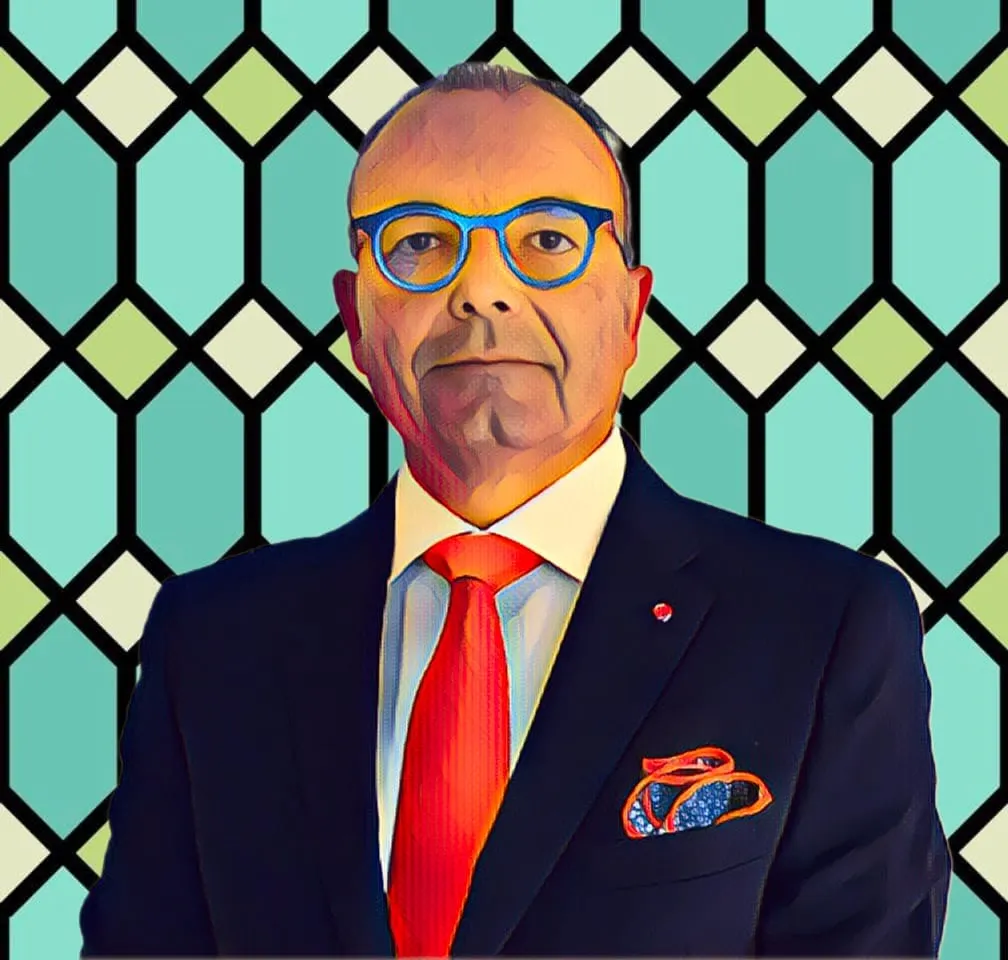
Giorgio Giachetti co-founded the company. His son, Guido R. Giachetti, is executive vice chairman of the group.
What the portfolio contains
RDC invests in and develops office, industrial, retail, residential and hospitality property. It also rents property directly.
The geographic distribution has shifted substantially over the past decade. At the end of 2017, the portfolio was worth 127.3 million euros and consisted of assets in Botswana and Madagascar. By December 31, 2024, it had reached 5.97 billion pula and spanned Botswana, South Africa, Namibia, Mozambique, Madagascar, Zambia, Croatia and the United States.
The composition at that date placed 48% of the portfolio in South Africa, 26% in Botswana, 23% in Croatia, and the remaining 3% across Zambia, Madagascar, Mozambique and the United States.
Botswana therefore accounts for roughly a quarter of the assets of the largest property fund listed on the Botswana Stock Exchange. South Africa holds nearly twice as much.
The Croatian position is the most recent addition and the most unusual. It represents almost a quarter of the portfolio of a Botswana-listed company, in a European Union member state on the Adriatic with no historical commercial connection to southern Africa. RDC has not published a detailed breakdown of the Croatian assets.
The company also holds hospitality assets, including the Isalo Rock Lodge at Ranohira in Madagascar.
Why the geography changed
The expansion has a currency logic behind it, and the company has described it in those terms.
Botswana's economy depends heavily on diamonds. The global downturn in rough diamond demand has drained liquidity from the country, raised borrowing costs and squeezed consumer spending, and the Bank of Botswana devalued the pula by roughly 8% against the South African rand in July 2025. A property company earning rent exclusively in pula carries that exposure in full.
Assets in South Africa generate rand. Assets in Croatia generate euros. Assets in the United States generate dollars.
RDC has been explicit that hard currency was part of the reasoning, and equally explicit that it has since moderated the approach. Its 2025 results presentation described a deliberate shift toward sustainable revenue growth in deeper markets rather than a singular focus on hard-currency generation.
The presentation was titled around navigating pressure, driving value and positioning for growth. The company said geographic expansion creates long-term shareholder value and produces a more resilient company with global reach, while describing itself as proudly Botswana.
The listed position
RDC trades on the Botswana Stock Exchange under the ticker RDCP.
Its market capitalisation stands at 2.44 billion pula, about $179.5 million, making it the 18th most valuable stock on the exchange and 0.231% of total BSE equity market value. Shares closed at 2.57 pula on July 22, having started the year at 2.55 pula, a gain of 0.78% that ranked 15th on the exchange for year-to-date performance.
It was the eighth most traded stock on the BSE over the three months to July 24, which is significant on an exchange where liquidity concentrates in a small number of counters and most listings are mining companies.
The gap between the market capitalisation and the portfolio value is substantial. The company's assets are valued at 5.97 billion pula. The equity market values the company at 2.44 billion pula. Debt accounts for part of that difference, and Simply Wall St estimates the shares trade 47.3% below its assessment of fair value.
RDC declared a semi-annual dividend of 0.0464 pula a share in April, payable on April 28 to holders on the register at April 16.
The family on the register and the board
Ownership sits with the Giachettis, though the disclosed percentages have moved.
Giorgio Giachetti held 15.98% of RDC in August 2021, a stake then worth $10.9 million. By February 2025 his holding was reported at 9.95%, worth $13.1 million. The percentage fell while the dollar value rose.
Guido R. Giachetti held 11.4% in February 2025, worth $15 million, which placed him above his father on the register. Billionaires.Africa reported in February 2026 that a Giachetti was RDC's largest shareholder without specifying which.
Guido runs the business. He holds a degree in civil engineering and a master's in business management and transport, completed the Advanced Management Program at Harvard Business School and the International Executive Programme at INSEAD, and is an alumnus of the École Polytechnique Fédérale de Lausanne. He has worked in property development and investment for 33 years.
He has been awarded the Order of Merit by the King of Spain and made a Knight of the Order of the Star of Italy by the Italian president. The Italian-South African Chamber of Commerce named him businessman of the year in 2023. He serves as Honorary Consul of Italy in Botswana, is a Paul Harris fellow, and collects art.
Two other family members sit on the board. Jacopo Giachetti holds a master's degree in civil engineering and began his career at Accenture, the consulting firm, working across European and American corporate environments. Federica Giachetti chairs one of the company's board committees.
The rest of the board is not family. Nicola Milne chairs the audit and risk committee. Andrew Bradley chairs the investment and property committee, formed when the separate property committee was folded into the investment committee following a board evaluation at the end of 2022.
The company has recruited from Botswana's professional establishment. Ms Mathe, who joined the board, is a former chairperson of the Architects Registration Council of Botswana and of the Botswana Housing Corporation Board, a former treasurer of the Architects Association of Botswana, and a former council member of the Commonwealth Association of Architects as vice president for the Africa region. Tshepiso Mganga, a marketing executive with eighteen years in tourism and hospitality, co-founded and runs the destination management company City and Safari International.
The PrimeTime bid
RDC has been pursuing a stake in PrimeTime, the other significant listed property company in Botswana, and the attempt has been suspended for an extended period.
An investigative committee of the Botswana Stock Exchange has now cleared the company to proceed. Neither RDC nor the exchange has published the terms under which the clearance was granted, or the size of the stake being sought.
A combination of the two would concentrate listed Botswanan property ownership considerably, in a market where the exchange has few property counters and limited depth.
Recent corporate activity
The company has been unusually active in the past six months.
It issued a cautionary announcement on March 20 concerning a potential strategic investment, publishing its audited financial results the same day. Changes to the composition of its finance leadership team followed on March 27. On April 20 it announced the conclusion of the strategic investment transaction and withdrew the cautionary.
RDC has not disclosed the counterparty or the value of that transaction in the material available publicly.
Directors, management and related parties dealt in the company's linked units on June 2. The thirtieth annual general meeting was held virtually on June 11, and the company entered a closed period on June 29.
Where the business sits
RDC is registered at Masa Square Centre in Gaborone's central business district.
Its position is unusual among African listed property companies. Most are national or regional in scope, holding assets in one country or a small cluster of neighbours, and are exposed to a single economy. RDC holds nearly half its portfolio outside southern Africa entirely once Croatia and the United States are counted, while remaining listed on one of the smallest exchanges on the continent.
That structure gives it hard-currency income and diversification away from the diamond cycle. It also means the company's performance is determined substantially by property markets in Cape Town and on the Adriatic, which Botswanan shareholders have limited means to assess.
The family that built it has been operating construction businesses for 148 years, across two centuries and three continents, beginning with railway stations in Naples and arriving in Gaborone four years after Botswana became a country.
The intelligence satisfies curiosity. The paid briefings satisfy strategy.
Every Monday, Elite subscribers receive an Investor Memo breaking down the deal, the structure and the positioning behind the week's most consequential African wealth story - the kind of analysis that doesn't appear anywhere else.
Twice a month, a Wealth Intelligence brief profiles a single billionaire's holdings, cash flows and expansion pipeline in detail no public source matches.
→ Executive ($25/mo): Daily newsletter + Deep-Dive Reports
→ Elite ($75/mo): Everything above + Investor Memos + Wealth Intelligence + Quarterly Analyst Briefings
Subscribe now