


Table of Contents
Umeme has lost roughly 85% of its market value since handing Uganda's electricity distribution network to the government, and the company chaired by Patrick Bitature now tells shareholders it has no operating revenue at all.
Shares traded at 415 Ugandan shillings before the twenty-year concession expired on March 31, 2025. They stood at 242 shillings at the start of this year and fell to 63 shillings last week, a decline of nearly three quarters in seven months.
The stock is cross-listed in Nairobi, where it has fallen from about 20 Kenyan shillings before the handover to around 7.04.
In a notice to shareholders ahead of its annual general meeting later this month, Umeme said it expects to report another loss for the first half of 2026 and attributed it to the cessation of its core business. The company reported a net loss of 223.6 billion shillings, about $59.73 million, for 2025.
What remains is a claim against the Ugandan state.
"The Company continues to actively pursue its outstanding claims against the Government of Uganda through the ongoing dispute resolution process as stipulated in the Privatization Agreements," the notice states.
The dispute concerns what Umeme spent building the network and had not yet recovered when the concession ended. The government adopted the Auditor General's valuation of $118 million, about 433 billion shillings, and paid it. Umeme says it is owed $292 million, roughly 1.1 trillion shillings, and is seeking the difference of $174 million, about 650 billion shillings, through the London Court of International Arbitration.
Bitature told shareholders last year that the money already received was being held for them. "The $118m received has been banked and held in trust for our shareholders," he said. "We are not touching that money. It will be paid out to shareholders in a tax-efficient way, whether as a special dividend or otherwise."
No payment has been made. The board has frozen the final dividend for 2025, and shareholders will be asked to approve that decision at the meeting on August 21 at the Mestil Hotel in Kampala.
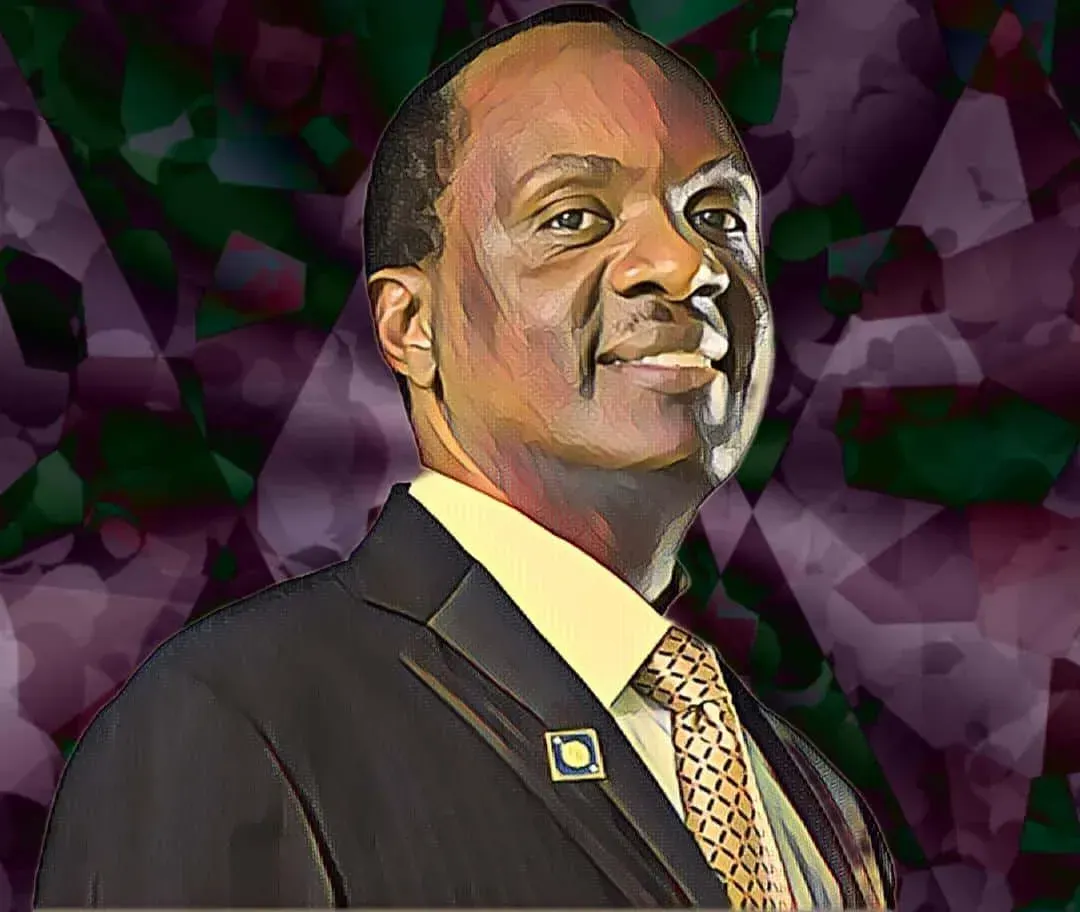
Bitature retires by rotation under the company's articles and is standing for re-election. He has chaired the board since 2007.
The share price collapse followed a period of the opposite expectation. Investors bid the stock up before and immediately after the concession expired, anticipating a rapid government buyout. Trading was suspended for 74 days from March 31, 2025, to prevent speculation while the asset valuation was settled. When it resumed in June, heavy selling began and has not stopped.
More than a year later the arbitration has no announced timetable, the dividend remains suspended and the company generates nothing.
The trading pattern is unusual for a business in that position. Umeme is the third most actively traded counter by volume on the Uganda Securities Exchange, with retail and institutional holders exiting positions in a company whose entire remaining value depends on the outcome of a hearing in London.
That makes it a bet on a legal process rather than an investment in an operating business. At 63 shillings, holders are pricing a partial recovery of a claim the government has already rejected once.
The scale of what was dismantled is considerable. Selestino Babungi, chief executive from April 2015 until the handover, described leaving a utility with 2.2 million customers, up from 650,000 when he started, network losses cut from 27% to 16%, and annual revenue above 2.5 trillion shillings, roughly $667.7 million. The company employed 2,502 people in 2024.
Bitature founded the Simba Group in 1998 and built it across telecommunications, property, power generation, agribusiness, mining, tourism and media in East Africa. He remains its founder, chairman and group chief executive, chairs Electromaxx Uganda and the Private Sector Foundation Uganda, and serves as Australia's honorary consul in Uganda.
The company has ruled out winding up and says it intends to return to the energy sector in a new form. It has not said what that would involve, or how it would be financed.
The intelligence satisfies curiosity. The paid briefings satisfy strategy.
Every Monday, Elite subscribers receive an Investor Memo breaking down the deal, the structure and the positioning behind the week's most consequential African wealth story - the kind of analysis that doesn't appear anywhere else.
Twice a month, a Wealth Intelligence brief profiles a single billionaire's holdings, cash flows and expansion pipeline in detail no public source matches.
→ Executive ($25/mo): Daily newsletter + Deep-Dive Reports
→ Elite ($75/mo): Everything above + Investor Memos + Wealth Intelligence + Quarterly Analyst Briefings
Subscribe now