

Table of Contents
Eskom has supplied South Africa's electricity without competition for 103 years. The company positioning itself to profit from the end of that arrangement was created by Johann Rupert's Remgro.
Energy Exchange of Southern Africa, known as EXSA, holds an electricity trading licence granted by the National Energy Regulator of South Africa in 2022. It operates a platform on which private generators, principally renewable producers, sell power directly to consumers.
That business only exists because the state utility is being taken apart. The government is unbundling Eskom, separating the transmission grid into an independent state company and opening generation to competition. The legal basis was established by the Electricity Regulation Amendment Act.
EXSA set out this week what it expects the finished market to look like, in a note published on its own website.
"A fully liberalised market isn't just about ending a monopoly, it is the dawn of a new era where energy is traded in real-time, and prices are discovered transparently," it said.
The company described a system in which the National Transmission Company South Africa manages the grid as a common highway while the South African Wholesale Electricity Market provides the trading floor. Businesses and households would choose their supplier, and independent generators, licensed traders and active consumers would replace what EXSA called a monolithic entity.
How Remgro got there
Remgro's route into electricity trading began outside South Africa.
The group took a 51% stake in Enerweb through its subsidiary Ubiquity Energy. Enerweb runs the platform behind the Southern African Power Pool, which enables electricity trading between countries in the Southern African Development Community. That gave Remgro working knowledge of how a cross-border power exchange operates before South Africa had one.
EXSA was built initially to source private renewable power for Remgro's own investee companies. Demand from outside the group followed, and the platform was opened to other customers.
It has since signed multi-billion rand agreements with Mediclinic, Woolworths, Old Mutual, Siqalo Foods and Seriti Green. Much of the electricity it trades comes from Earth and Wire's solar plant at Malmesbury and Seriti Green's Ummbila Emoyeni wind farm in Mpumalanga, which President Cyril Ramaphosa opened this week.
Rand Merchant Bank bought 25% of Ubiquity Energy from Remgro in 2023, bringing a major South African bank onto the register of the parent company.
Why the opportunity opened
The commercial logic rests on what Eskom did to its own customers.
As the government began liberalising the sector, the price of Eskom-generated electricity rose sharply, and supply remained unreliable through years of rolling blackouts. Large industrial and commercial users started looking for alternatives, and renewable generators could undercut the utility.
EXSA is not alone in noticing. Investec and Discovery both operate trading platforms, alongside specialist firms including Empower Trading and Envusa Energy.
The company argues that a genuinely open market changes three things. Day-ahead and intraday trading would allow prices to move with supply and demand, as in the United Kingdom and Nordic markets, letting businesses adjust consumption in real time. Traders would aggregate output from many small generators and match it to buyers. And competition would drive investment in battery storage, because storing renewable power for peak demand becomes profitable.
The transition began with one-to-one wheeling, in which a single generator supplies a single customer over the national grid. A fully liberalised market permits many-to-many trading, which EXSA described as effectively creating multiple Eskoms.
Its stated ambition is that a company with five sites across South Africa could receive a single consolidated energy bill regardless of where the power was generated.
"This level of sophistication transforms energy from an uncontrollable overhead cost into a strategic, manageable asset," the company said, adding that investment in new generation would then follow market signals rather than government procurement cycles.
Rupert's position
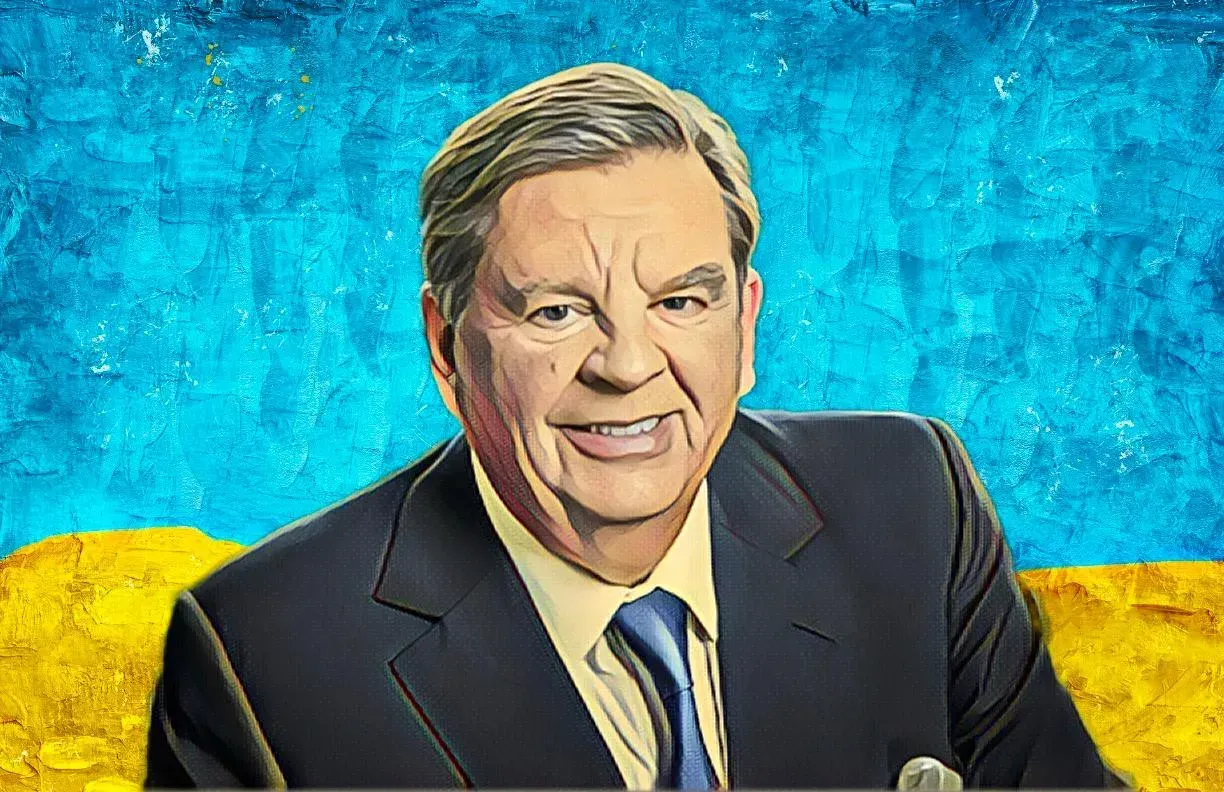
Remgro is the investment holding company through which the Rupert family controls interests across healthcare, banking, food, infrastructure and now energy. Johann Rupert chairs it and is its controlling shareholder.
Bloomberg has ranked him among the wealthiest people in Africa, with his fortune built principally on Richemont, the Swiss luxury group behind Cartier and Van Cleef and Arpels, which he chairs separately.
Remgro has been in the news for other reasons this week. Its Reinet vehicle completed a share buyback programme, and RCL Foods, which it backs, remains the only substantial domestic competitor to the sugar business Robert Gumede is assembling.
Neither Remgro nor EXSA has disclosed what the electricity trading business earns.
give
The intelligence satisfies curiosity. The paid briefings satisfy strategy.
Every Monday, Elite subscribers receive an Investor Memo breaking down the deal, the structure and the positioning behind the week's most consequential African wealth story - the kind of analysis that doesn't appear anywhere else.
Twice a month, a Wealth Intelligence brief profiles a single billionaire's holdings, cash flows and expansion pipeline in detail no public source matches.
→ Executive ($25/mo): Daily newsletter + Deep-Dive Reports
→ Elite ($75/mo): Everything above + Investor Memos + Wealth Intelligence + Quarterly Analyst Briefings
Subscribe now