

Table of Contents
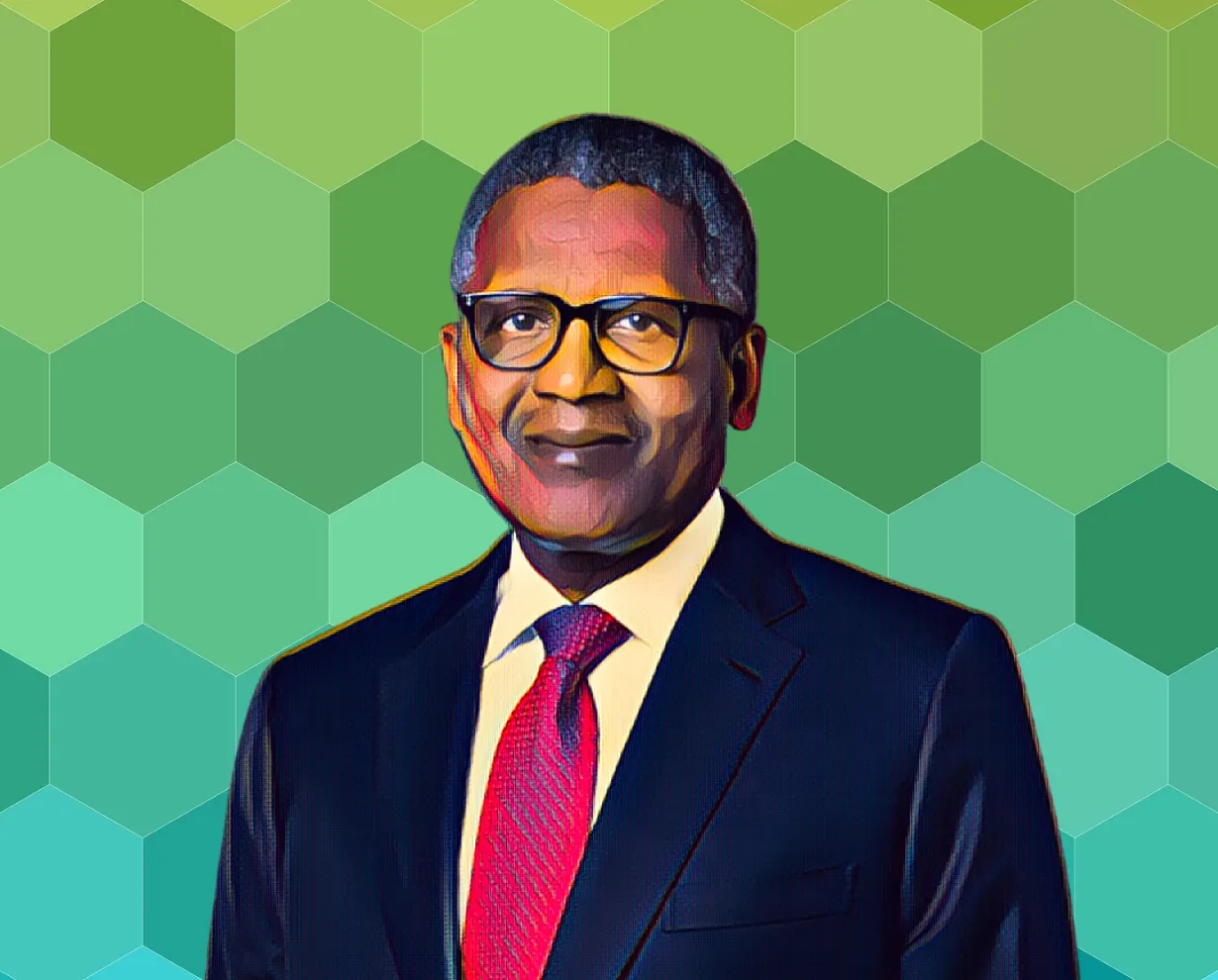
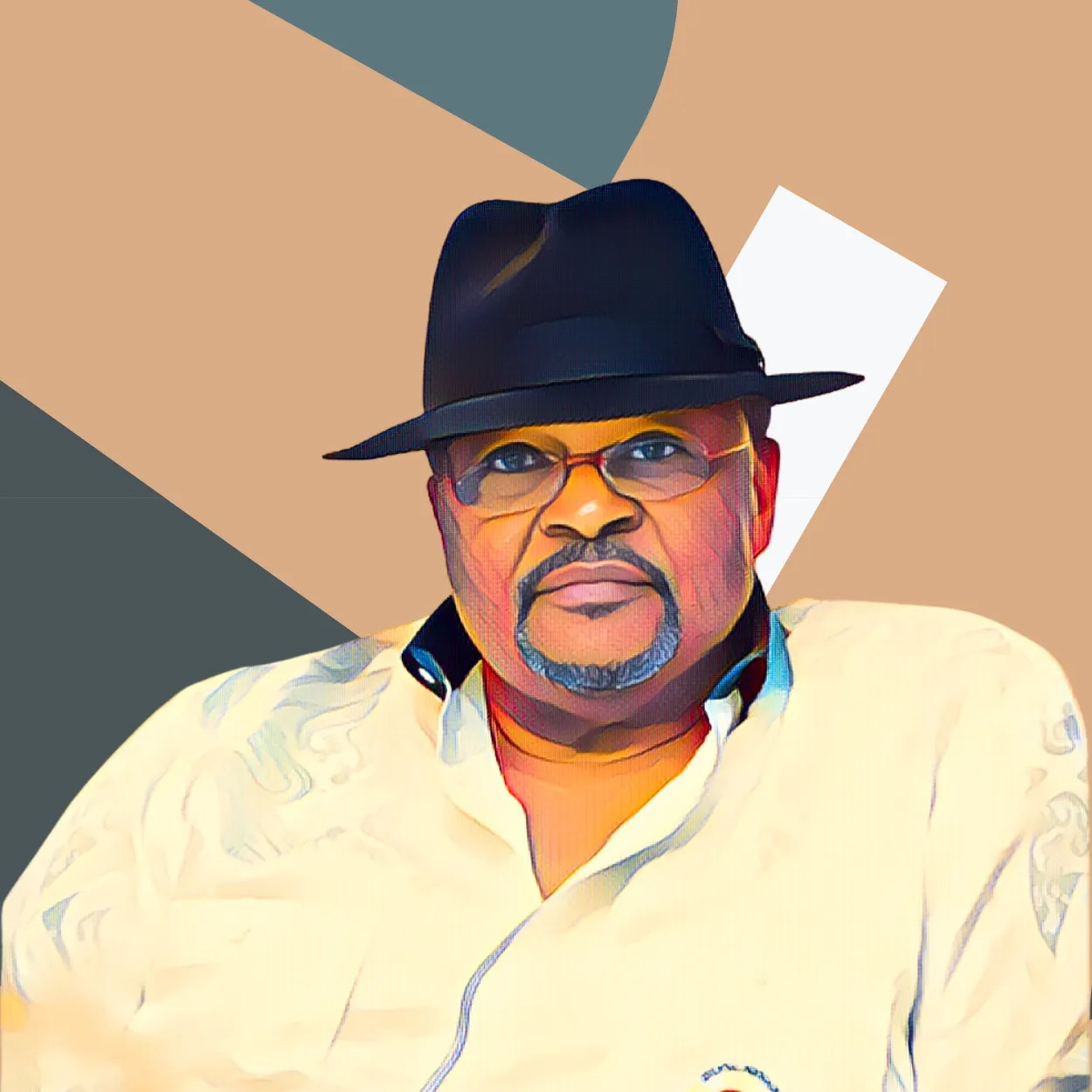
Globacom marks 23 years of operation this month. Mike Adenuga owns all of it.
No Nigerian mobile operator of comparable scale has stayed in single ownership. MTN Nigeria listed on the Nigerian Exchange in 2019 and now carries a market value of about ₦18 trillion. Airtel Africa floated in London the same year. Etisalat Nigeria was taken over by its lenders in 2017 after defaulting on a $1.2 billion facility, was renamed 9mobile and has changed hands again since.
Adenuga has taken no outside equity, listed no shares and sold no stake since Glo Mobile launched in August 2003. Forbes put his fortune at $6.8 billion at the end of 2024.
A market of 400,000 lines
Nigeria had roughly 400,000 active telephone lines in 2001, in a country of about 120 million people.
The Nigerian Communications Commission auctioned GSM licences that year and granted MTN, Econet and the state-owned M-Tel a five-year exclusivity window. Adenuga's Communications Investments Limited did not become an operator in that round. Globacom was awarded the Second National Operator licence in 2002 and reached the market two years behind everyone else.
What it found was a business built on scarcity.
SIM cards sold for between ₦20,000 and ₦25,000, roughly $150 to $190 at the exchange rates of the period, which was more than most Nigerians earned in several months. Calls were billed by the minute at ₦50. A subscriber who answered and said one word was charged for sixty seconds. The incumbent operators had told the regulator that per-second billing was technically unfeasible and would remain so for at least five years.
One kobo a second
Glo Mobile launched on August 29, 2003 charging one kobo per second, from the first day of operation rather than as a later promotion.
The arithmetic was visible to every subscriber immediately. Sixty kobo bought a minute where the incumbents charged ₦50. A ten-second call cost ten kobo instead of ₦50. The technical impossibility the established operators had described turned out to be a billing configuration.
MTN and Econet moved to per-second billing within months.
Adenuga then attacked the other barrier. Glo cut the price of a SIM card to ₦6,999, then to ₦500, then to ₦100, then to ₦1. In October 2004 it began giving them away, at a point when competitors were still charging ₦2,000. Rivals followed again.
The company acquired one million subscribers across 87 Nigerian towns in its first year and generated more than ₦120 billion in revenue.
Nigerian mobile subscriptions went from about 400,000 in 2001 to more than 150 million within two decades, and later past 200 million. Broadband penetration, effectively zero in 2003, reached above 45% by 2025. Glo did not achieve that alone and did not capture most of it. But the pricing structure the whole market adopted was the one Adenuga imposed by undercutting it.
That floor held for two decades. Nigerian operators secured their first tariff increase in more than ten years in early 2025, arguing they could not sustain investment otherwise. Glo raised its rate from 11 kobo per second to 22. MTN went from 13 kobo to 23. Airtel moved from 18 to 25.
The cable
The second structural decision was to stop buying international bandwidth from other people.
Before 2009, Nigeria depended almost entirely on SAT-3, a cable owned by a consortium of NITEL and more than thirty other carriers. That arrangement had two problems: capacity was rationed among the owners, and there was no redundancy. When a fault developed on one of SAT-3's landing cables in 2009, West Africa suffered an internet blackout that destabilised the Nigerian banking sector and everything else dependent on connectivity.
Globacom had awarded a contract to Alcatel-Lucent roughly two years earlier to build its own.
Glo-1 runs 9,800 kilometres along the west coast of Africa from Bude in Cornwall to Nigeria, with landing points at Lagos and Bonny, plus Lisbon, Accra and Côte d'Ivoire, connecting 17 countries. It landed at Alfa Beach in Lagos in September 2009, the project completed in July 2010, and the system was activated for commercial service that October. The Ghanaian link was turned up in April 2011.
It launched with 640 gigabits per second of capacity and is now advertised at 2.5 terabits.
Globacom financed Glo-1 entirely on its own balance sheet, without foreign equity or consortium partners, making it the first African telecommunications company to build an international submarine cable alone. Reported costs range from about $250 million for the supply contract, according to the industry database Submarine Networks, to $800 million for the completed project in Nigerian contemporary accounts.
Adewale Sangowawa, then an executive director, called it the first individually owned submarine cable network in the world at the landing ceremony at Alfa Beach.
Adenuga described the benefit in commercial terms, saying it would place Nigeria inside the competitive telecommunications landscape and make broadband and long-distance voice more affordable.
The consequences ran wider than his own company. Cheaper international bandwidth cut input costs for every Nigerian internet provider, and the cable's arrival was followed by MainOne, MTN's WACS and, more recently, Google's Equiano. The data centre cluster now developing along the Lekki corridor exists because that capacity landed.
Globacom laid a terrestrial fibre backbone across Nigeria alongside it. Those assets support an enterprise business selling dedicated internet access, MPLS and managed connectivity to corporate clients and internet service providers, and the cable generates revenue independently of the mobile network.
Buying the culture
Glo's third departure was in marketing, and it changed how Nigerian companies advertise.
The company made celebrity endorsement its central strategy from the early years, signing musicians, Nollywood actors and athletes as brand ambassadors at a scale no competitor matched. P-Square, Phyno, Wizkid, May7ven and the sprinter Tobi Amusan have all held the role.
That practice is now standard across Nigerian consumer marketing, to the point where a major product launch without a musician attached has become unusual. Glo established it.
The sponsorship went well beyond individuals. Globacom funded the CAF African Footballer of the Year awards from 2005 to 2016, backed the Super Eagles, the Nigeria Football Federation and the domestic Premier League, and created the Glo Soccer Academy, a West African television talent programme for young footballers. Adenuga paid the Super Eagles $1 million after they won the Africa Cup of Nations in Johannesburg in 2013.
It became the largest corporate backer of Nigerian cultural festivals, sponsoring Ojude Oba, Lisabi and Ofala, and partnered with MTV on The Big Friday Show in 2012.
The logic was straightforward for a late entrant. Glo could not win on coverage against operators with a two-year head start, so it competed on price and on identity, positioning itself as the Nigerian network in a market where the leaders were South African and foreign-owned.
The owner
Adenuga was born in Ibadan in April 1953 and turned 73 this year. He drove taxis and worked security jobs in the United States while paying for his university education, then returned to Nigeria and built his first fortune trading commodities before moving into telecommunications.
He gives no interviews and appears at no public events.
Globacom has disclosed no revenue figures or investment plans for its next phase, and Adenuga has made no comment on the anniversary.
The intelligence satisfies curiosity. The paid briefings satisfy strategy.
Every Monday, Elite subscribers receive an Investor Memo breaking down the deal, the structure and the positioning behind the week's most consequential African wealth story - the kind of analysis that doesn't appear anywhere else.
Twice a month, a Wealth Intelligence brief profiles a single billionaire's holdings, cash flows and expansion pipeline in detail no public source matches.
→ Executive ($25/mo): Daily newsletter + Deep-Dive Reports
→ Elite ($75/mo): Everything above + Investor Memos + Wealth Intelligence + Quarterly Analyst Briefings
Subscribe now