

Table of Contents
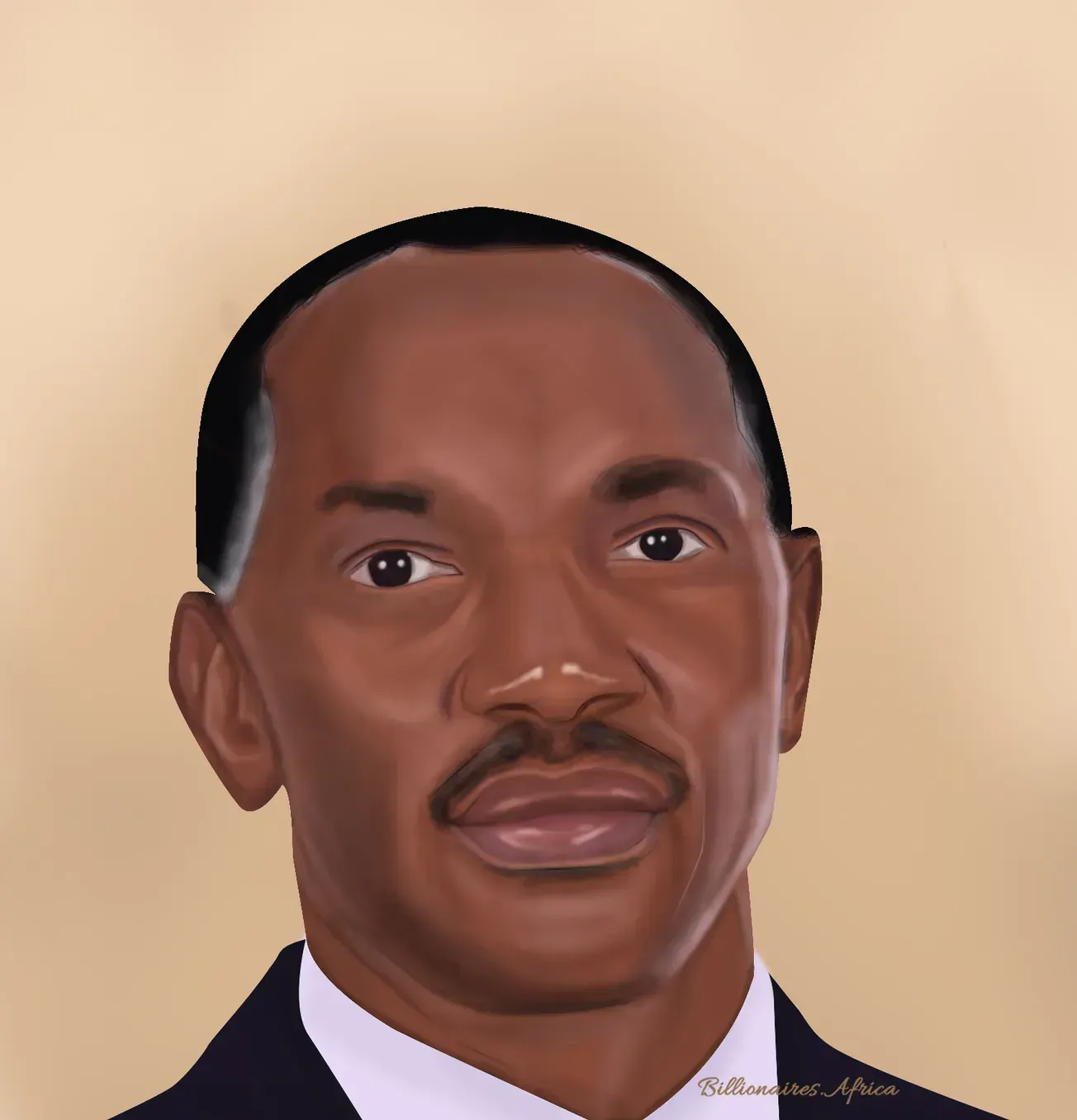
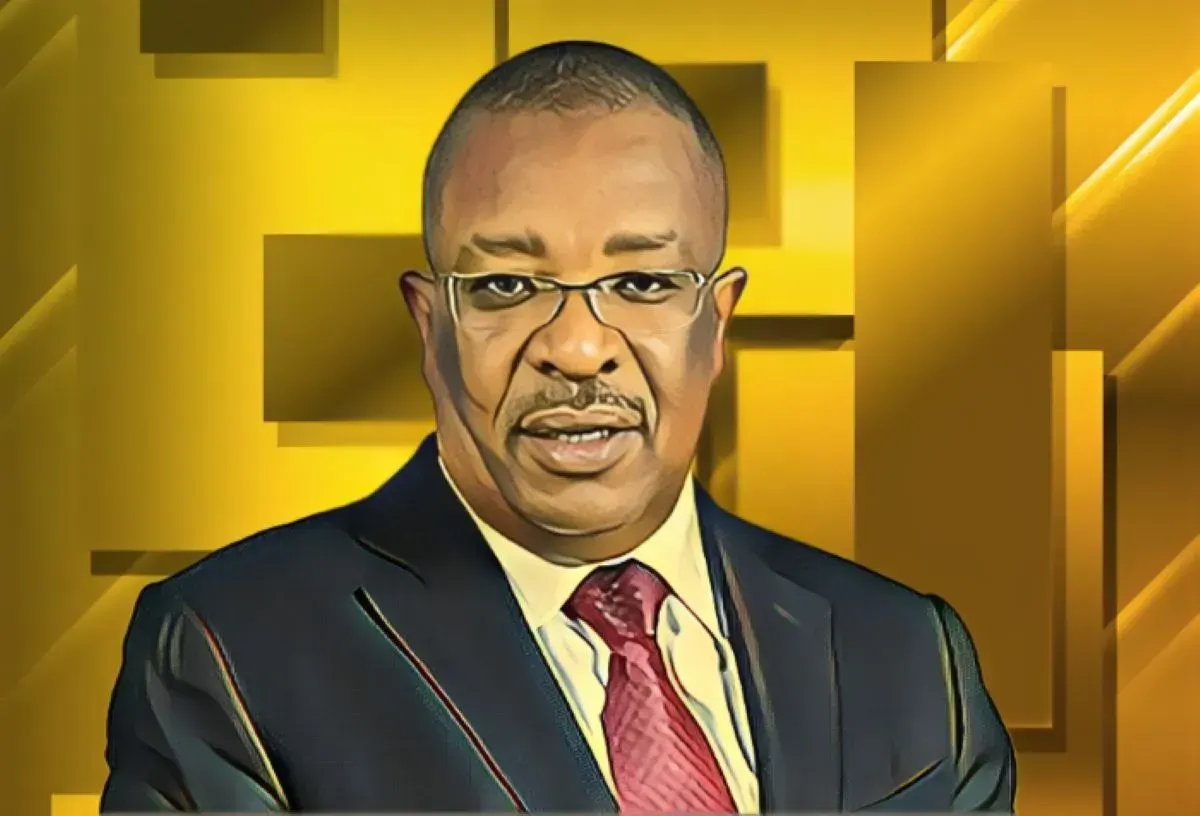
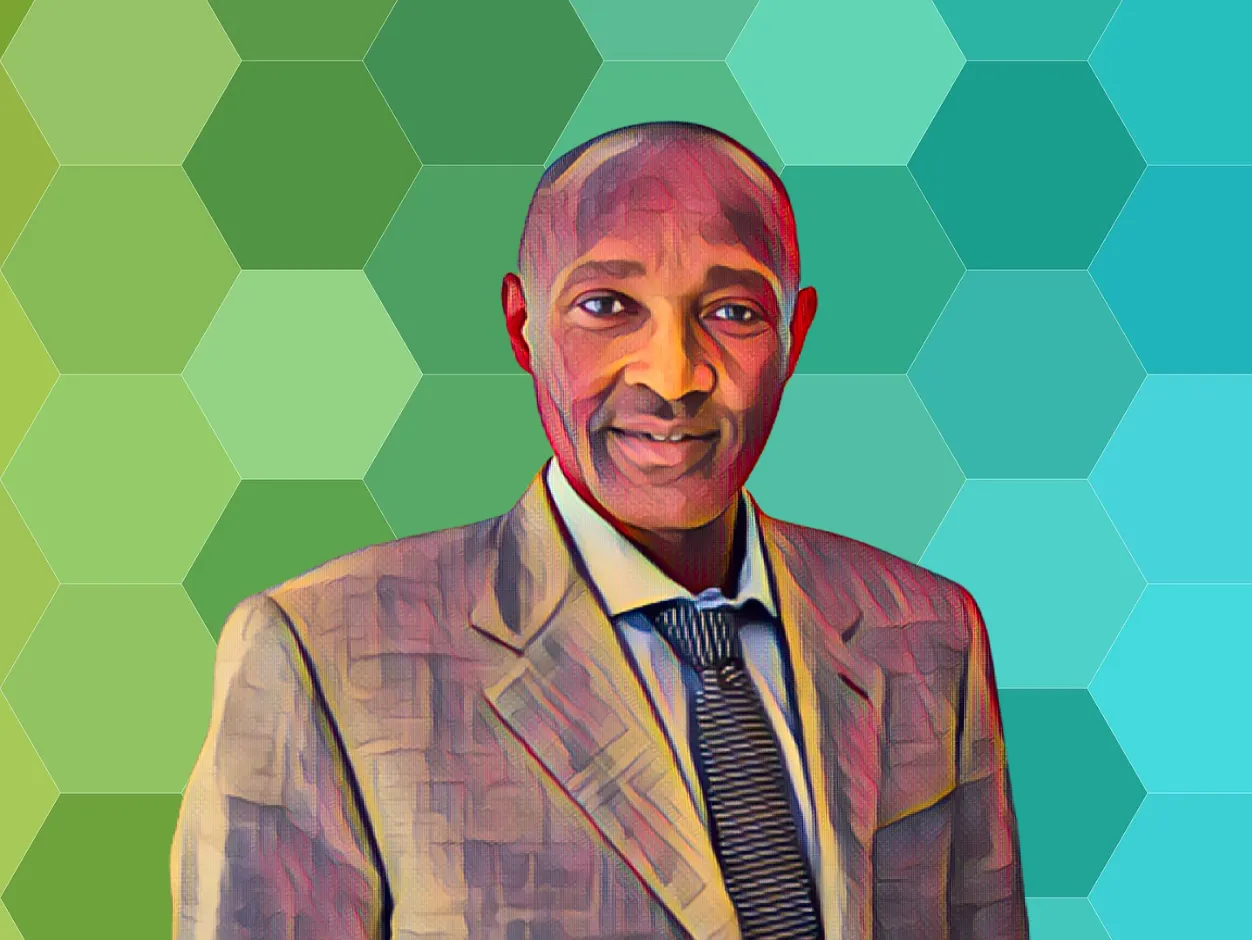
Hatari Said Sekoko developed the two buildings that changed Kigali's skyline. Kigali City Tower opened in 2011 as the tallest structure in Rwanda, 20 storeys on the site of a former bus station. The 254-room Kigali Marriott opened five years later and carried the Marriott name into sub-Saharan Africa for the first time in the chain's history.
He started his working life driving a truck for Somali traders, hauling construction materials from Kisumu in western Kenya to missionaries living nearby. He was 20 and he was a refugee.
Sekoko grew up in Uganda in a poor family, part of the Rwandan exile population that formed after successive waves of violence pushed hundreds of thousands out of the country across three decades. He later fought with the Rwandan Patriotic Front during the civil war and served in the Rwandan army.
Spare parts, coffee and a million dollars
Sekoko left the trucking job to trade spare parts and coffee.
The coffee venture went badly. He has said publicly that he lost $1 million in it, a figure he has repeated over the years without explaining how or when the money went. The loss landed while he was still accumulating capital rather than protecting it, and it did not push him out of trading.
He travelled to Japan in 1995 to raise money, working there before returning home. Japanese reporting carries that detail and almost nothing else does, which matters, because it fills the gap that otherwise sits awkwardly in his story. A former soldier and small trader had to find enough capital to start putting up buildings in a country that had lost most of its physical infrastructure and nearly all of its banking capacity.
Back in Rwanda he built a coffee distribution business, then moved into property and hospitality.
Kigali City Tower
Sekoko founded Doyelcy in 2006 and began the project that made his name in the same year.
Kigali City Tower went up on Avenue du Commerce, also designated KN 67 Street, on ground a bus station had occupied. The complex combines a 20-storey tower, a four-storey commercial centre and a car park block, with floor plates split between leased offices and retail units. China Civil Engineering Construction built it and Chinese engineers ran the site.
The tower opened in 2011 and became the tallest building in Rwanda. Published costs diverge. Reference sources put the price at $20 million. Property Magazine Rwanda, which has followed Doyelcy closely, puts it at $33 million. Neither Sekoko nor the company publishes accounts that would settle it.
Kigali had rebuilt itself from the 1994 genocide against the Tutsi, in which at least 800,000 people were killed over roughly 100 days, and which destroyed roads, government offices, private businesses, homes, water pipes and electricity poles along with the population. The state could not fund reconstruction alone. Sekoko's tower became the shorthand Rwandans and visitors used for what private domestic capital could deliver.
Doyelcy expanded into a diversified holding company spanning hospitality, property development, insurance, renewable energy and agriculture. Its property portfolio came to include Kigali City Tower and, later, the Kigali Marriott.
The business had grown enough by 2011 that Ernst & Young was carrying out a valuation, and Sekoko was weighing a listing on the Rwanda Stock Exchange or a corporate bond issue to raise capital for the core businesses. He did neither. Doyelcy remains private and discloses nothing.
He was already working alongside substantial outside money. The company co-invested in Rwandan hospitality and construction projects with Dubai World, with Chinese investors, and with Sudhir Ruparelia, one of the wealthiest businessmen in Uganda.
Sekoko named the constraint himself at the time. Rwanda's construction sector was expanding faster than its supply of skilled labour and building materials, cement in particular, and long-term bank finance was scarce. "Finance is still a challenge and I think it will remain a challenge," he said.
The Marriott
Marriott International opened the Kigali Marriott in October 2016. Arne Sorenson, then the group's president and chief executive, attended the ceremony alongside Alex Kyriakidis, who ran Marriott's Middle East and Africa business, and Rwandan political figures.
The property took the Marriott flag into sub-Saharan Africa for the first time in the company's nearly 90-year history. It holds 254 rooms, 18 meeting rooms, seven restaurants and bars, a full-service spa and 2,859 square metres of event space. It sits in downtown Nyarugenge on KN3 Avenue, near the financial district, the embassies, the government ministries and Kigali City Hall, 20 minutes from the international airport. It created roughly 500 jobs.
Sekoko owns it privately with Billy Cheung. He built it through New Century Development Co Ltd, a special purpose vehicle, at a reported cost of $60 million, and he serves as the company's chief executive.
Marriott brought partners into the staffing. The hotel worked with the Akilah Institute for Women, which trains young East African women for the labour market, recruiting and preparing Rwandan women for supervisory roles. Marriott took close to 40 Akilah graduates into hotels across Africa and the Middle East for training, and the first cohort returned to join the management team in Kigali. Patricia E. Harris, chief executive of Bloomberg Philanthropies, singled out a café inside the hotel run by Rwandan women as an example of business, philanthropy and government working together.
Sekoko repeated the structure six years later. Four Points by Sheraton Kigali opened in 2022, again developed through New Century Development, again under a Marriott brand, with Matthias Widor running both properties as cluster general manager.
"We are very proud to work with Marriott International to bring the Four Points by Sheraton brand into Rwanda and we are confident this hotel will set a new benchmark for hospitality within the country," Sekoko said at the opening.
Both hotels rest on a bet that Kigali would establish itself as a conference destination. The Marriott's meeting space was built for that trade, and tourism was already Rwanda's leading foreign exchange earner when the project broke ground.
Century Park and 10,000 keys
Sekoko's largest announced development came in 2016, when Century Park Hotels and Residences Ltd broke ground on 9.6 hectares in Nyarutarama, in Gasabo District.
He set out the ambition in unusually specific terms. "We want to put at least 10,000 keys on the Rwandan market," he said at the ceremony, "keys to houses that make a difference today and in the future especially as a result of their splendid and naturally sustainable designs."
The Nyarutarama scheme followed a 7-hectare mixed-use project he had taken forward in 2010. Property professionals in Kigali point to that sequence, tower to hotel to residential estate, as the run that established Doyelcy as the country's foremost private developer.
How many of the 10,000 keys have actually been delivered has never been reported.
The Panama Papers
Sekoko's name sits in the Mossack Fonseca leak that the International Consortium of Investigative Journalists published in 2016.
The ICIJ records that Emmanuel Ndahiro became a director of Debden Investments Limited, a British Virgin Islands company, in September 1998. Ndahiro was serving as a spokesman for the Rwandan army at the time and appeared regularly in international news coverage. His listed address was a building in a commercial section of west London.
Debden reportedly owned a jet aircraft. The ICIJ names Sekoko, describing him as a former RPF soldier and now a major business executive, as the company's owner. The company was deactivated in 2010.
Ndahiro's position gave the filing weight beyond a routine offshore registration. He served as President Paul Kagame's physician, security adviser and spokesman. He was military spokesman while Kagame ran the defence ministry between 1994 and 2000, led Rwanda's National Intelligence and Security Services from 2004 to 2011, and was promoted to brigadier general in 2015.
The ICIJ recorded that neither Ndahiro nor Sekoko responded to repeated requests for comment.
Rwanda's government denied wrongdoing when the material was published. The Finance Ministry rejected the suggestion that the two men had used Debden Investments for private gain, and the government's position has been that the arrangement concerned aircraft leasing rather than personal enrichment.
Critics have pushed considerably further. David Himbara, a Rwandan academic who worked closely with Kagame before leaving the country and becoming one of his most persistent opponents from Canada, has written that Sekoko operates as a front for the president. Himbara links Debden Investments to Reply Investments Ltd, a South African-registered company he says held two Bombardier Global Express BD-700 jets, and alleges that Kigali City Tower drew on pension money through the Development Bank of Rwanda's shareholding structure.
Those claims come from a declared political opponent and appear in books and blog posts rather than in court filings or regulatory findings. No prosecuting authority in any jurisdiction has brought a case against Sekoko. No regulator has sanctioned him. No court has made a finding against him. He has not responded publicly to Himbara, and he did not respond to the ICIJ.
Appearing in the Panama Papers is not evidence of illegality, and thousands of lawful businesses appear in the leaked registries. The record belongs in any account of how this fortune was built because Sekoko has never addressed it.
What nobody has established
No credible valuation of Sekoko exists.
Billionaires.Africa placed him above $30 million in 2022, among a group of Rwandan entrepreneurs running businesses with eight-figure annual revenues whose names were largely unknown outside the country. Forbes and Bloomberg do not track him. The Rwandan rich lists circulating online carry figures with no visible methodology.
The assets suggest that $30 million floor understates him. The Marriott alone cost $60 million to build. Kigali City Tower cost somewhere between $20 million and $33 million. Neither figure reveals what equity Sekoko holds against the debt, and Doyelcy publishes no accounts, no revenue, no headcount and no subsidiary list.
His age is not on the public record either. No birth year appears in any interview, profile or accessible filing, which is unusual for a man who has sat down with Forbes Africa and with Rwandan newspapers across 15 years.
The verifiable sequence runs like this. A refugee in Uganda drove other people's trucks. He traded spare parts, then coffee, and lost a million dollars doing it. He went to Japan to raise money. He came back, distributed coffee, and by 2006 had enough behind him to start a 20-storey tower with Chinese contractors on a former bus station, in a capital city that had been physically and socially destroyed 12 years earlier.
Rwanda's reconstruction produced a small group of businessmen whose fortunes track the state's own rebuilding project, and whose access to land, licences and finance has never been fully explained in public. Sekoko sits at the centre of that group. His buildings are the first things foreign visitors see when they arrive in Kigali, and the companies behind them disclose almost nothing.
The intelligence satisfies curiosity. The paid briefings satisfy strategy.
Every Monday, Elite subscribers receive an Investor Memo breaking down the deal, the structure and the positioning behind the week's most consequential African wealth story - the kind of analysis that doesn't appear anywhere else.
Twice a month, a Wealth Intelligence brief profiles a single billionaire's holdings, cash flows and expansion pipeline in detail no public source matches.
→ Executive ($25/mo): Daily newsletter + Deep-Dive Reports
→ Elite ($75/mo): Everything above + Investor Memos + Wealth Intelligence + Quarterly Analyst Briefings
Subscribe now