

Table of Contents
Talaat Moustafa Group lifted half-year net profit 23 percent to $198.5 million (9.9 billion Egyptian pounds) and booked $3.41 billion (170.1 billion pounds) of contracted sales in the second quarter alone, an increase of 27 percent on the same period last year.
Consolidated revenues rose 24 percent to $605.5 million (30.2 billion pounds) over the six months to June, the Egyptian developer said in a statement on Wednesday. Conversions use the Aug. 11 rate of 49.88 pounds to the dollar, according to Billionaires.Africa calculations.
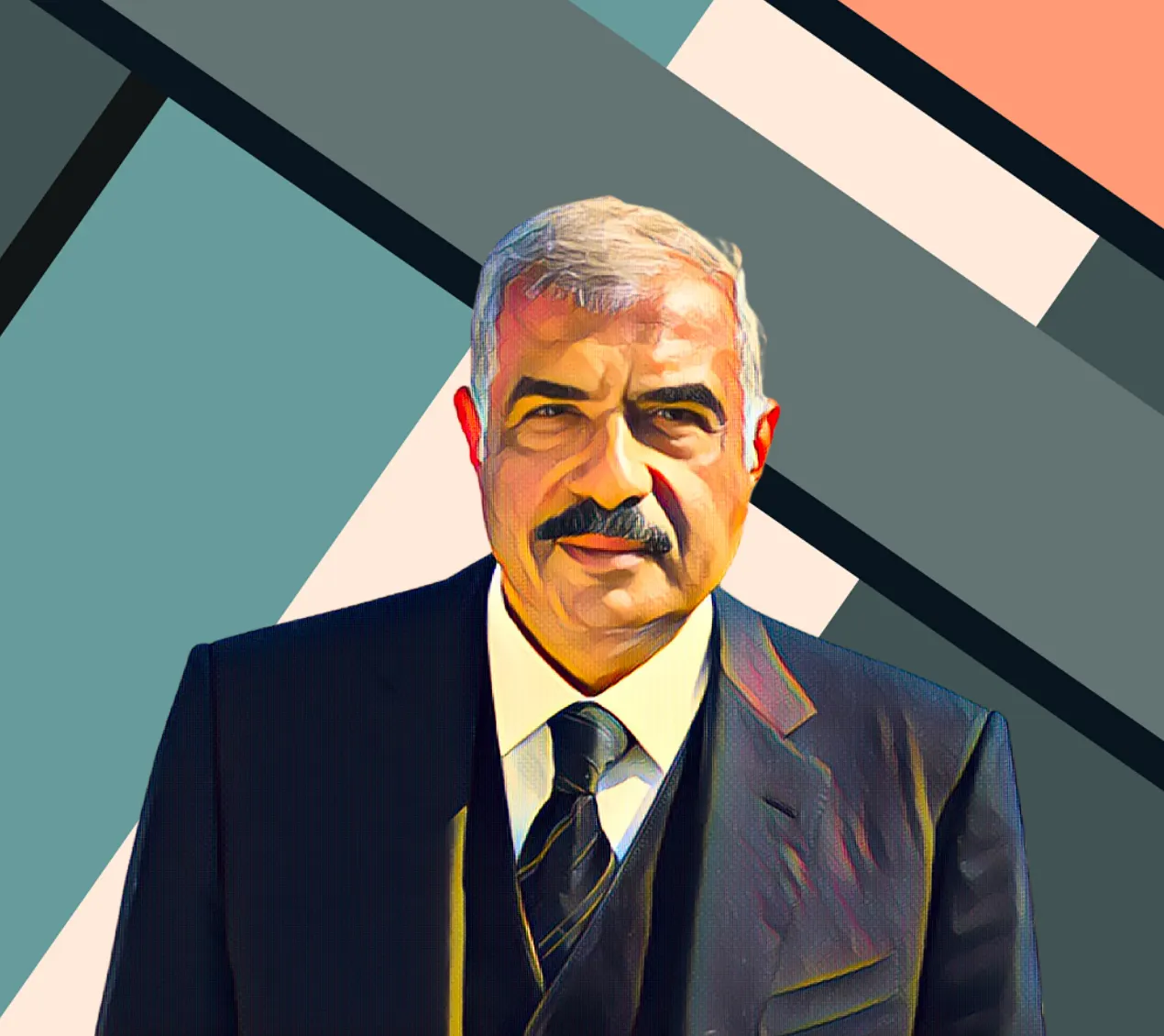
"The first-half results reflect the strength of the group's business model and continued strong demand for its project portfolio," said Hisham Talaat Moustafa, chief executive and managing director.
Contracted sales across the half reached $4.39 billion (219.1 billion pounds), up 4 percent, which means the second quarter supplied roughly 78 percent of the total. The concentration reflects the timing of a major launch rather than a slowdown elsewhere.
Property development drove the revenue line. The segment grew 34 percent to $340.8 million (17 billion pounds) as construction progressed and handovers accelerated, with the group delivering roughly 1,459 units during the period, an increase of 131 percent, across Madinaty and Celia. Revenue recognition also began on Banan, TMG's first development in Saudi Arabia.
Two projects generated most of the sales. SouthMed, the resort city TMG is building on the Mediterranean coast, contributed $1.88 billion (93.9 billion pounds) during the half, of which 87 billion pounds came in the second quarter, taking cumulative sales since launch to about $10.02 billion (500 billion pounds).
The Spine, which TMG launched inside Madinaty during the quarter, recorded $677.6 million (33.8 billion pounds) of contracted sales in its opening months. The company describes it as a mixed-use integrated knowledge city intended to serve as an urban centre for East Cairo and the new administrative capital, and expects it to generate recurring revenues above $1.00 billion (50 billion pounds) a year at maturity.
Hotels supplied the group's hard currency. Hospitality revenue rose 4 percent to $149.6 million (7.46 billion pounds), and TMG said foreign currency hotel revenues reached about $151.6 million over the same period, which indicates the segment earns effectively all of its income in dollars. That matters in a country where successive devaluations have eroded pound-denominated earnings.
The group plans to open four new properties in the coming years, lifting its room and suite count to about 5,000 from around 3,500, while raising efficiency across existing assets and shifting the mix toward suites and luxury categories to strengthen pricing power.
Recurring income grew 24 percent to $114.3 million (5.7 billion pounds) on expansion in leasing and management fees. The segment covers commercial leasing, retail, sports club operations and integrated community services, and TMG expects the Banan and Oman developments to add to it as their commercial components come on stream.
Moustafa said the group will concentrate on accelerating development and delivery across its main projects, expanding and improving its hospitality assets, and building recurring income, while continuing regional expansion in Saudi Arabia, Oman and Iraq by reproducing the integrated urban community model it has used in Egypt.
Iraq is the newest of those markets. TMG secured an investment licence in May to develop a city across 12.8 million square metres in southwest Baghdad, a project expected to generate about $18.8 billion in sales and house 250,000 residents across 43,000 units.
The results extend a run that began last year. TMG reported first-quarter net profit of 5.5 billion pounds, up 24 percent, on revenue of 13.1 billion pounds, up 39 percent, and closed 2025 with net profit of $364.9 million (18.2 billion pounds), up 43 percent, on revenue of $1.25 billion (62.5 billion pounds). Its backlog of undelivered sales stood at $8.84 billion (441 billion pounds) at the end of last year.
Moustafa, 66, took the chief executive role in 2017 after nine years in prison, returning to the company his father founded in the early 1970s. Forbes Middle East ranked him 30th on its Top 100 CEOs list for 2026, the highest placing of any Egyptian executive on a ranking dominated by Gulf companies.
The family retains control through TMG for Real Estate and Touristic Investments SAE, with the brothers Tarek, Hisham and Hany Talaat Moustafa ultimately holding about 34 percent of the listed company. The group operates across Egypt, Saudi Arabia, Oman and Iraq, holds a land bank above 128 million square metres, and employs more than 100,000 people.
The intelligence satisfies curiosity. The paid briefings satisfy strategy.
Every Monday, Elite subscribers receive an Investor Memo breaking down the deal, the structure and the positioning behind the week's most consequential African wealth story - the kind of analysis that doesn't appear anywhere else.
Twice a month, a Wealth Intelligence brief profiles a single billionaire's holdings, cash flows and expansion pipeline in detail no public source matches.
→ Executive ($25/mo): Daily newsletter + Deep-Dive Reports
→ Elite ($75/mo): Everything above + Investor Memos + Wealth Intelligence + Quarterly Analyst Briefings
Subscribe now