

Table of Contents
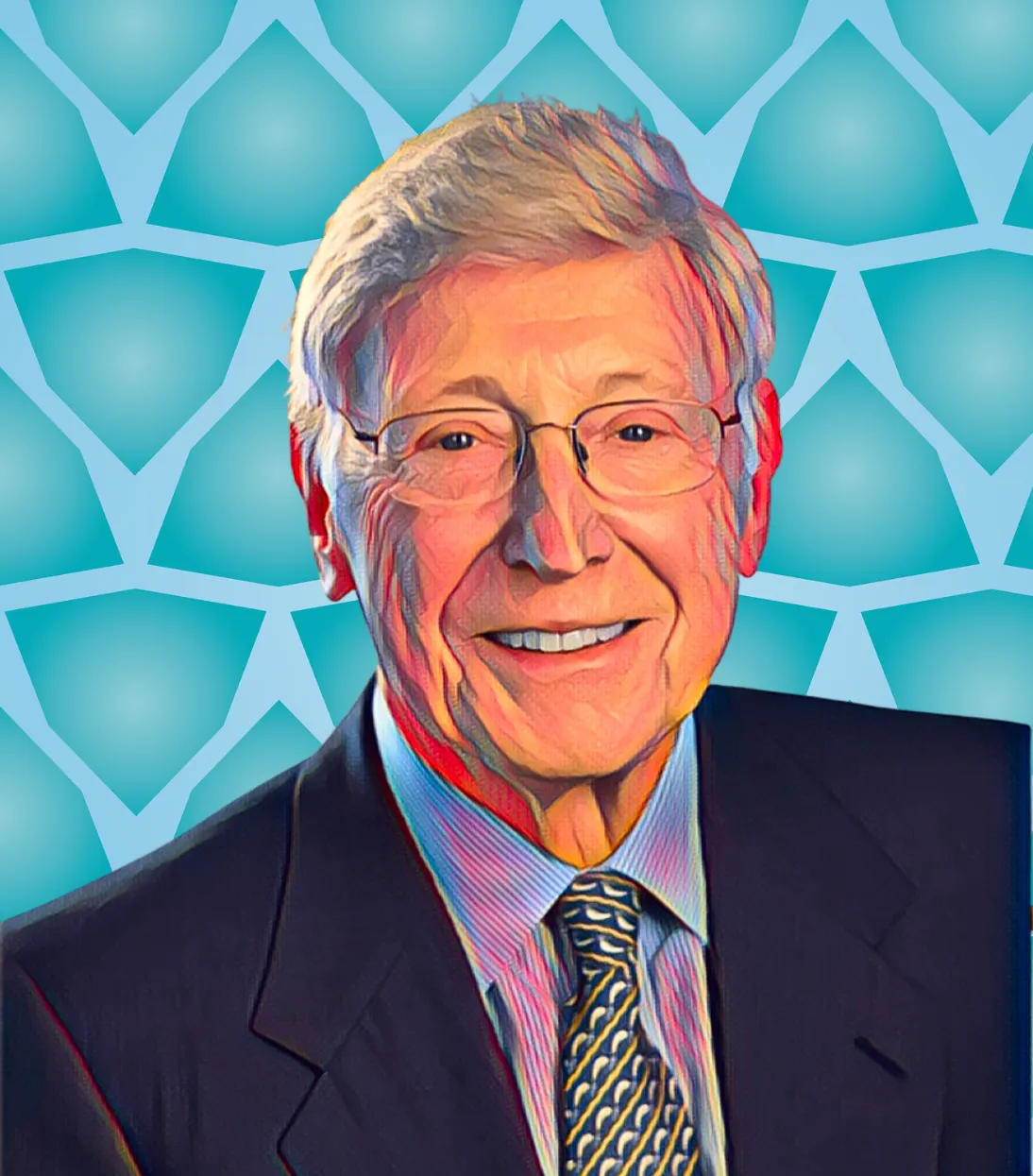
Bernie Marcus wanted to be a doctor and enrolled in pharmacy school instead because his family could not afford medical school. He built Home Depot into a company now worth $343 billion and died in November 2024 with a fortune estimated at $11 billion.
The foundation he left behind has given $28.7 million to a cardiologist trying to regrow heart muscle.
The Marcus Foundation awarded the money to Dr. Chuck Murry, director of the USC Stem Cell Center, to fund a clinical trial of a stem cell therapy designed to regenerate tissue destroyed by a severe heart attack. It is the largest gift the foundation has made to the University of Southern California and among its largest to academic medicine.
The trial begins in 2027 at Keck Hospital of USC, in partnership with the USC Cardiac and Vascular Institute, with a second site at the University of Washington, where parts of the technology were originally developed. The first phase will enrol roughly 18 patients who have suffered extensive myocardial infarction, the medical term for a heart attack that destroys part of the heart's muscular wall.
Patients will receive stem-cell-derived heart muscle cells delivered directly into the damaged regions. The study is designed primarily to establish safety and feasibility, and researchers will also track whether the transplanted cells stay active, integrate with the injured tissue and produce measurable changes in cardiac performance through recovery and long-term follow-up.
A parallel research programme will examine how the immune system responds to transplanted cardiac cells, with the aim of reducing or removing the need for immunosuppressive drugs in patients receiving regenerative therapy. That is one of the central obstacles to making cell-based cardiac treatment practical at scale.
The medical problem the work addresses has no current solution. A heart attack occurs when a coronary artery blocks and starves cardiac muscle of oxygen. Cells in the affected area begin dying within minutes, and the scar tissue that replaces them cannot contract the way healthy muscle does. The heart never recovers the lost function.
Murry and his team have worked on the underlying biotechnology for three decades.
"The work that Chuck Murry and his team are doing could transform the entire field of regenerative cardiology," said Jonathan Simons, chief science officer of the Marcus Foundation. He said the team had advanced gene-edited cellular therapy to the point where it made sense to back cells as living medicine.
Carolyn Meltzer, dean of the Keck School of Medicine, said the trial could change and save the lives of millions of patients living with the consequences of damaged heart tissue. USC president Beong-Soo Kim credited the foundation with supporting visionary science.
Marcus established the foundation in 1989 with his wife, Billi, and was an early signatory to the Giving Pledge. It gave $25.9 million in 2024 for stroke research at Emory University School of Medicine and Grady Health System's Marcus Stroke and Neuroscience Center, and $2 million to UCLA Health for stem cell therapy in spinal cord injury. Marcus also built the Georgia Aquarium in Atlanta, among the largest in the world.
The fortune behind it came from a firing. Marcus was born in 1929 to Russian-Jewish immigrant parents in a fourth-floor walk-up tenement in Newark, New Jersey. He took his pharmacy degree at Rutgers while skipping classes to sell Amana freezers door to door, then worked through leadership roles at manufacturing companies before being dismissed in 1978 from Handy Dan, a home improvement chain that no longer exists.
He was 49. He founded Home Depot that year with Arthur Blank, who had been fired alongside him, with financing secured by the investment banker Ken Langone. The first store opened in Atlanta in 1979 and the company listed in 1981.
Marcus ran it as chief executive through its first two decades and stayed as chairman until retiring in 2002. Home Depot now operates more than 2,000 stores, employs over 500,000 people and recorded sales approaching $153 billion in 2023.
He died on Nov. 4, 2024 in Boca Raton, Florida, at 95.
The intelligence satisfies curiosity. The paid briefings satisfy strategy.
Every Monday, Elite subscribers receive an Investor Memo breaking down the deal, the structure and the positioning behind the week's most consequential African wealth story - the kind of analysis that doesn't appear anywhere else.
Twice a month, a Wealth Intelligence brief profiles a single billionaire's holdings, cash flows and expansion pipeline in detail no public source matches.
→ Executive ($25/mo): Daily newsletter + Deep-Dive Reports
→ Elite ($75/mo): Everything above + Investor Memos + Wealth Intelligence + Quarterly Analyst Briefings
Subscribe now