

Table of Contents
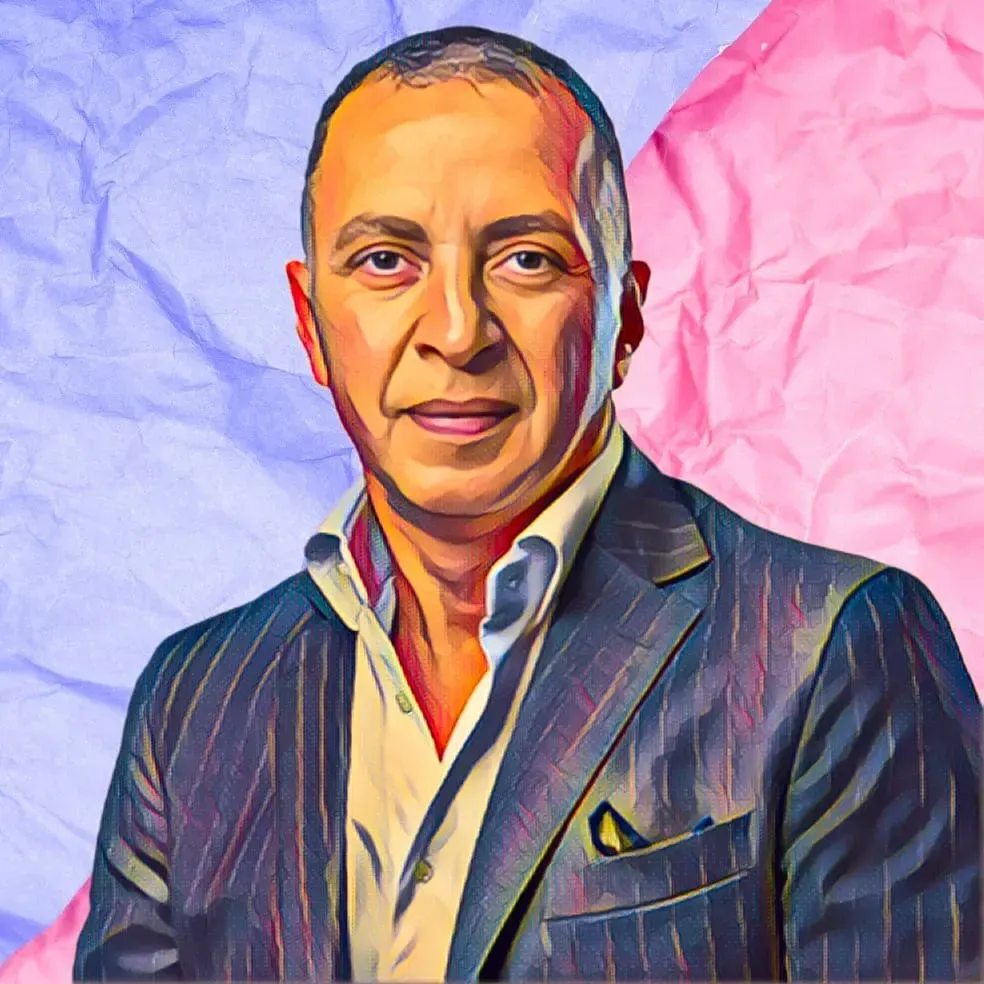
Egypt's petroleum minister met Ahmed Elsewedy on Friday to press for faster progress on a $1 billion phosphate fertiliser complex the family's group is building in the Suez Canal Economic Zone.
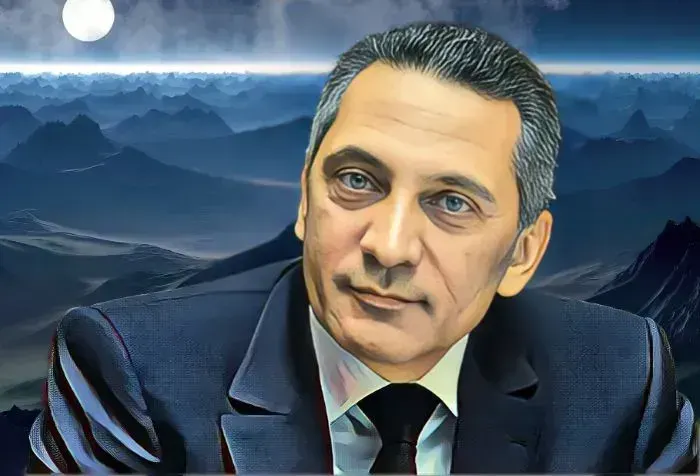
Karim Badawi, minister of petroleum and mineral resources, reviewed the project's status with Elsewedy and directed officials to complete implementation procedures more quickly, address obstacles as they arise and improve coordination between the parties to keep the work on schedule, according to a ministry statement.
The complex is being developed by the Mineral Resources and Mining Industries Authority, the New Valley Company for Mineral Resources and Oil Clay, known as WadiCo, and the El-Sewedy group. The three signed a shareholders agreement in July, having first signed the project in November.
The plant will produce phosphate fertilisers for the Egyptian market and export the surplus, which the government expects to bring in foreign currency, support food security and create jobs.
Badawi said the project represents a step toward developing Egypt's phosphate resources and raising their economic returns by expanding local manufacturing and converting mineral resources into intermediate and finished products, strengthening the country's production and export capacity.
The complex is designed in three stages across roughly a decade. The first phase will produce phosphoric acid and DAP and TSP fertilisers, each with capacity of 300,000 tonnes a year. The second, running from 2029 to 2031, is intended to produce high-purity specialised phosphate chemicals. The third, from 2032 to 2034, targets materials for electric battery components.
That last stage takes the El-Sewedy group toward a market it does not currently serve. Phosphate is a feedstock for lithium iron phosphate battery cathodes, which have taken a growing share of the electric vehicle market on cost grounds.
Elsewedy Industrial Development, a subsidiary, is supplying the industrial land, engineering design and infrastructure inside the group's Sokhna 360 industrial hub. China's CJN, which the ministry describes as a global leader in phosphate industries, is working alongside the government entities.
Yasser Ramadan, chairman of the mining authority, Reda Selim, chairman and managing director of WadiCo, and Abdelrahman El-Sewedy, chief executive of Elsewedy Digital, signed the agreement on behalf of their organisations.
Badawi has framed the project as an early result of changes to Egypt's mining regime, including the conversion of the former Egyptian Mineral Resources Authority into an economic authority and amendments to the executive regulations of the Mineral Resources Law. He said the reforms have made the sector more competitive for investors.
Egypt holds substantial phosphate reserves and has historically exported most of them as raw rock, which earns a fraction of what fertiliser and phosphoric acid command. The government has been signing agreements to change that, including a June 2025 deal to begin construction of the Abu Tartour phosphoric acid complex in New Valley, and a memorandum with Movingfert to study further development at Abu Tartour.
The fertiliser complex extends a group better known for cables and transformers into mining downstream. Elsewedy Electric posted second-quarter sales of 88.02 billion Egyptian pounds, up 36.7 percent, with net income of 5.08 billion pounds, up 11.6 percent. Its shares closed at 107.11 pounds on the Egyptian Exchange this week.
The El-Sewedy family began trading electrical equipment in 1938 and opened Arab Cables in 1984 as the first private-sector cable factory in a market where every other producer was state-owned. The family held 78.7 percent of the listed company in January 2025 and 68.1 percent by that July.
Ahmed El-Sewedy has been president and chief executive since 2006 and held 546,252,820 shares in his most recent disclosed position, worth about 58.51 billion pounds, or $1.17 billion at 49.88 pounds to the dollar, according to Billionaires.Africa calculations. His brother Sadek, the non-executive chairman, held a near-identical stake.
The group operates in 19 countries across cables, electrical products, telecommunications, transformers, wind energy, energy measurement, and engineering, procurement and construction. It agreed this month to manufacture four high-voltage transformers for a substation powering a planned artificial intelligence data centre in New Zealand.
The intelligence satisfies curiosity. The paid briefings satisfy strategy.
Every Monday, Elite subscribers receive an Investor Memo breaking down the deal, the structure and the positioning behind the week's most consequential African wealth story - the kind of analysis that doesn't appear anywhere else.
Twice a month, a Wealth Intelligence brief profiles a single billionaire's holdings, cash flows and expansion pipeline in detail no public source matches.
→ Executive ($25/mo): Daily newsletter + Deep-Dive Reports
→ Elite ($75/mo): Everything above + Investor Memos + Wealth Intelligence + Quarterly Analyst Briefings
Subscribe now