

Table of Contents
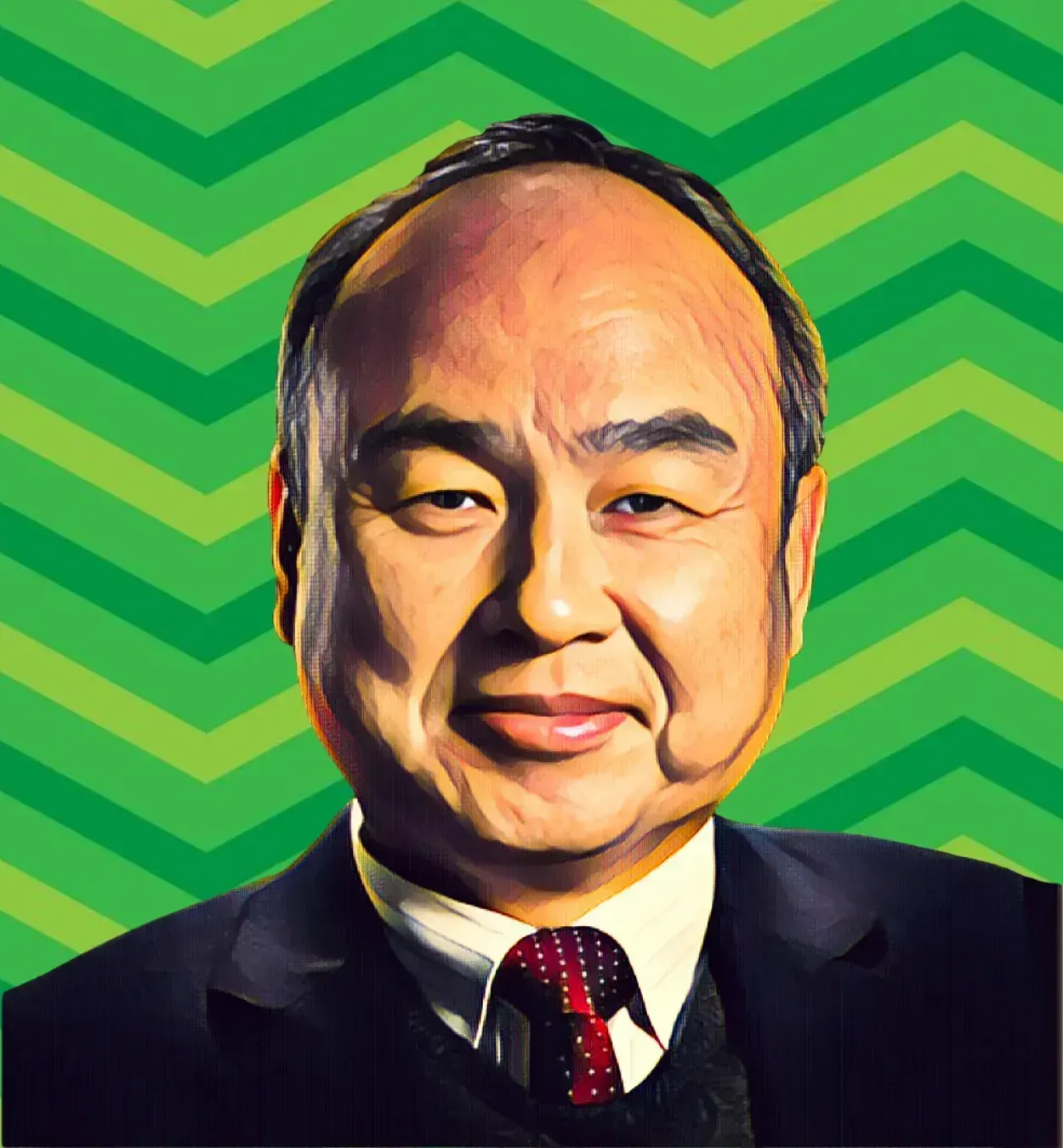
Masayoshi Son has made one of the most concentrated single-stock bets in recent memory, funneling 67% of SoftBank Group's disclosed $18 billion US equity portfolio into Intel, a $12.1 billion position that dwarfs every other holding in the fund and signals an all-in conviction on the American semiconductor company's artificial intelligence turnaround.
SoftBank disclosed the position in a 13F filing on Aug. 14, showing it held 86,956,522 Intel shares valued at $12.14 billion as of June 30. The next two largest positions, Symbotic at 9.85% ($1.79 billion) and T-Mobile US at 9.23% ($1.68 billion), look almost decorative against the Intel weighting. The rest of SoftBank's US fintech basket, including stakes in Klarna, Chime, eToro, Nu Holdings and Inter & Co, rounds to noise by comparison.
The move was not impulsive. SoftBank had already committed a $2 billion strategic investment into Intel that closed in the third quarter of 2025, alongside a $5 billion equity investment from Nvidia. The 13F confirms Son doubled down at scale, buying the recovery story rather than trimming into strength.
Intel gave him reasons to stay. The company posted revenue of $16.128 billion in its second quarter of fiscal 2026, up 25.4% year over year, its strongest top-line growth in more than 15 years. Non-GAAP earnings per share of $0.42 nearly doubled the $0.22 consensus estimate. Data Center and AI revenue jumped 59% year over year to $6.262 billion. Chief executive Lip-Bu Tan called it "the strongest revenue growth in more than 15 years" and flagged the seventh consecutive quarter of exceeding financial expectations.
Tan himself added a further signal of conviction. Last week, he purchased 105,263 Intel shares at $95 each through a family trust, a $10 million open-market buy made at the same price ordinary investors paid in Intel's concurrent $20 billion secondary offering. His beneficial Intel stake now tops 1.3 million shares.
The $20 billion equity raise, which priced 210,526,315 new shares at $95 each and was upsized from an initial $15 billion proposal, is funding a capital expenditure plan that Intel's chief financial officer David Zinsner said would exceed $20 billion in 2026, with 2027 higher still. Management has said it does not commit capital ahead of customer commitments, meaning a markup of that scale in three months is a statement about the order book.
The timing of SoftBank's disclosure was not flattering. Between June 30 and Aug. 14, Intel fell 26.59%, from $139.63 to $102.50, leaving the position underwater on a mark-to-market basis by the time the filing became public.
Even so, Intel remains up more than 325% over the past year, having surged after President Donald Trump announced on social media on June 18 that Apple had agreed to partner with Intel to design and manufacture chips domestically. Neither company has formally signed or finalized that arrangement, and analysts estimate actual high-volume production for Apple chips remains two to three years away.
Intel Foundry bled $2.1 billion in operating losses in the second quarter even as revenue grew 31%, and the stock now trades at roughly 62 times projected adjusted earnings for the year ahead, a valuation that demands foundry execution, not just central processing unit tailwinds.
Son's thesis is coherent. The position size is another matter entirely.
The intelligence satisfies curiosity. The paid briefings satisfy strategy.
Every Monday, Elite subscribers receive an Investor Memo breaking down the deal, the structure and the positioning behind the week's most consequential African wealth story - the kind of analysis that doesn't appear anywhere else.
Twice a month, a Wealth Intelligence brief profiles a single billionaire's holdings, cash flows and expansion pipeline in detail no public source matches.
→ Executive ($25/mo): Daily newsletter + Deep-Dive Reports
→ Elite ($75/mo): Everything above + Investor Memos + Wealth Intelligence + Quarterly Analyst Briefings
Subscribe now