

Table of Contents
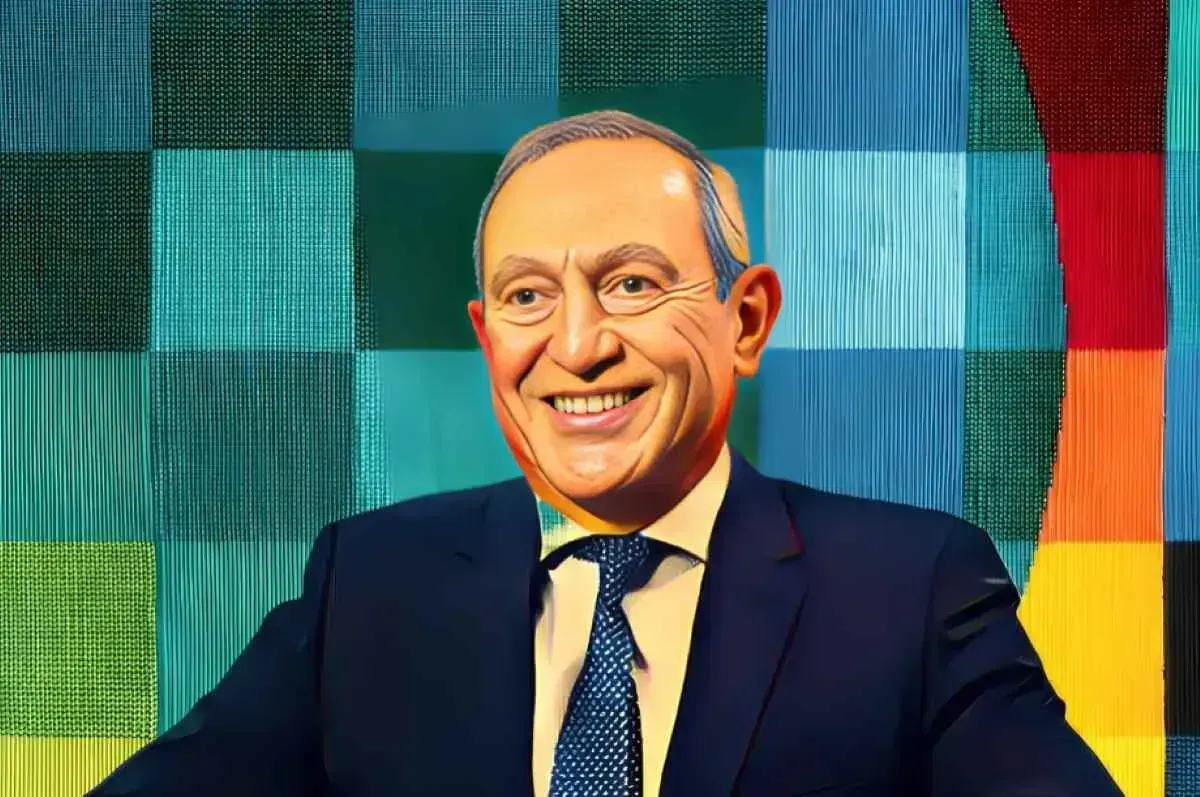
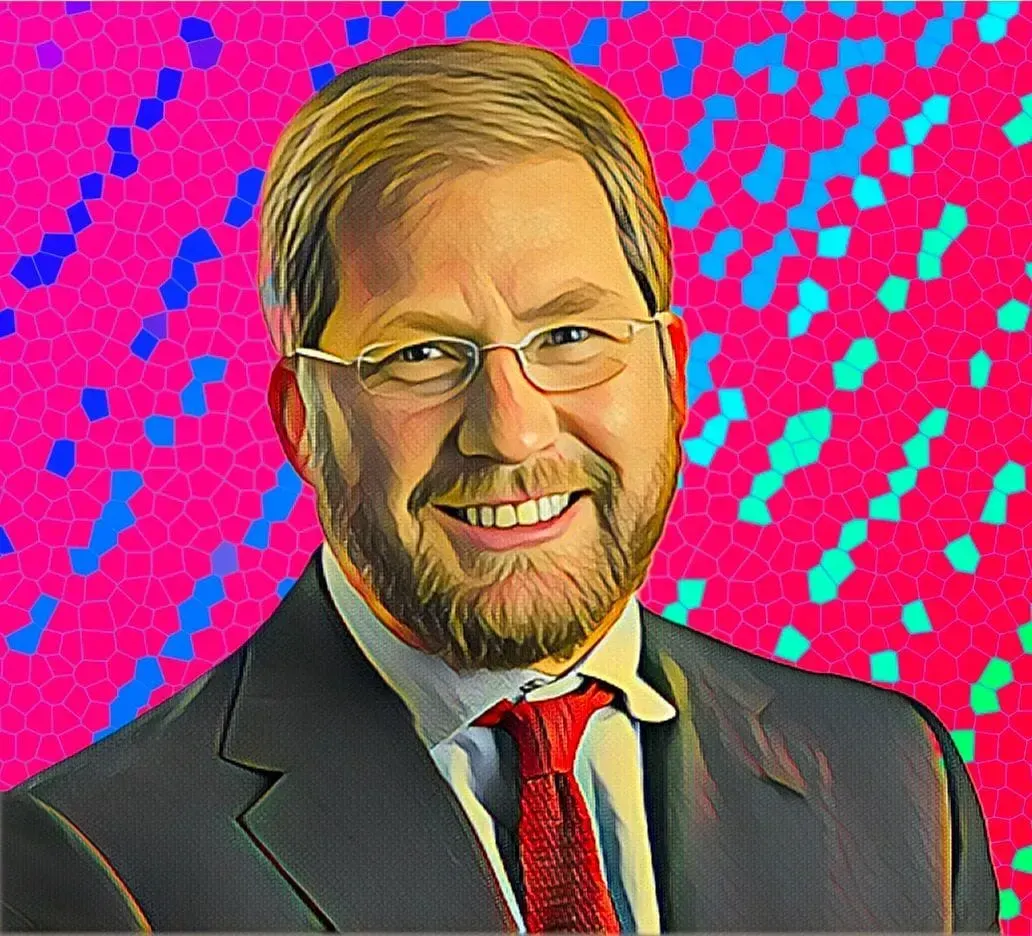
M'hammed Kabbaj, the chairman and co-founder of Moroccan construction group SGTM, owns a stake worth about $1.72 billion, a fortune that appears on none of the major global wealth rankings.
Kabbaj holds 22,200,000 shares in Société Générale des Travaux du Maroc, or 37% of the company, according to the shareholder table in the prospectus approved by the Moroccan capital markets authority ahead of the group's listing. At Friday's close of 715 dirhams on the Casablanca Stock Exchange, that position is worth 15.87 billion dirhams, or $1.72 billion converted at 9.24 dirhams to the dollar. The valuation is a Billionaires.Africa calculation based on the disclosed share count and the closing price.
A Billionaires.Africa review of the Bloomberg Billionaires Index and the Forbes list of the world's billionaires found no entry for Kabbaj on either.
His fortune predates the listing. SGTM was private for more than fifty years, and no public document put a price on the family's holdings until the prospectus and the first day of trading. What changed in December was not his wealth but the ability of anyone outside the company to measure it.
Two engineers against the French
SGTM was founded in 1971 by Kabbaj and his elder brother, Ahmed, both engineers trained in France. Ahmed graduated from the École des Ponts et Chaussées in Paris. M'hammed qualified as a public works engineer. They started a construction firm in a market where the technically demanding work went to French and other international contractors, and Moroccan companies took what was left.
The wholesale market at Rabat was the job that changed that. Family members have described it since as the contract that proved a Moroccan firm could compete with the French on complexity rather than price. Early work also included raising the Lalla Takerkoust dam and heightening the Safi canal, arriving as Hassan II pushed his programme of major dam construction through the 1970s.
Their timing carried a family dimension. Their third brother, Commandant Mohammed Kabbaj, became a national figure at almost the same moment, credited in Moroccan press accounts with saving Hassan II's life during the attack on the royal Boeing in August 1972.
The company built the first Casablanca airport in the 1970s. Through the 1980s it took luxury hotels in Agadir, Marrakech and Casablanca, then Mohammed V airport. It worked on the Hassan II Mosque, built the headquarters of phosphates group OCP and the foreign ministry in Rabat, and constructed Dar As-Sikkah, where Morocco mints its currency.
Later came the Maroc Telecom tower in Rabat, the Twin Center, Morocco Mall, the Hassan II bridge, the Casablanca marina, a fertiliser plant at Jorf Lasfar, the viaducts of the Al Boraq high-speed line, the port at Nador West Med and the Rabat campus of Mohammed VI Polytechnic University. In 2021 SGTM won the contract to build Dakhla Atlantique port alongside compatriot Somagec, a project costed at around a billion euros.
Headquarters sit at the end of a country road in Bouskoura, outside Casablanca, well away from the city's business districts. The company has cultivated that distance. Neither brother gave interviews in any volume, and SGTM published no financial statements until it had to.
The succession that reshaped the company
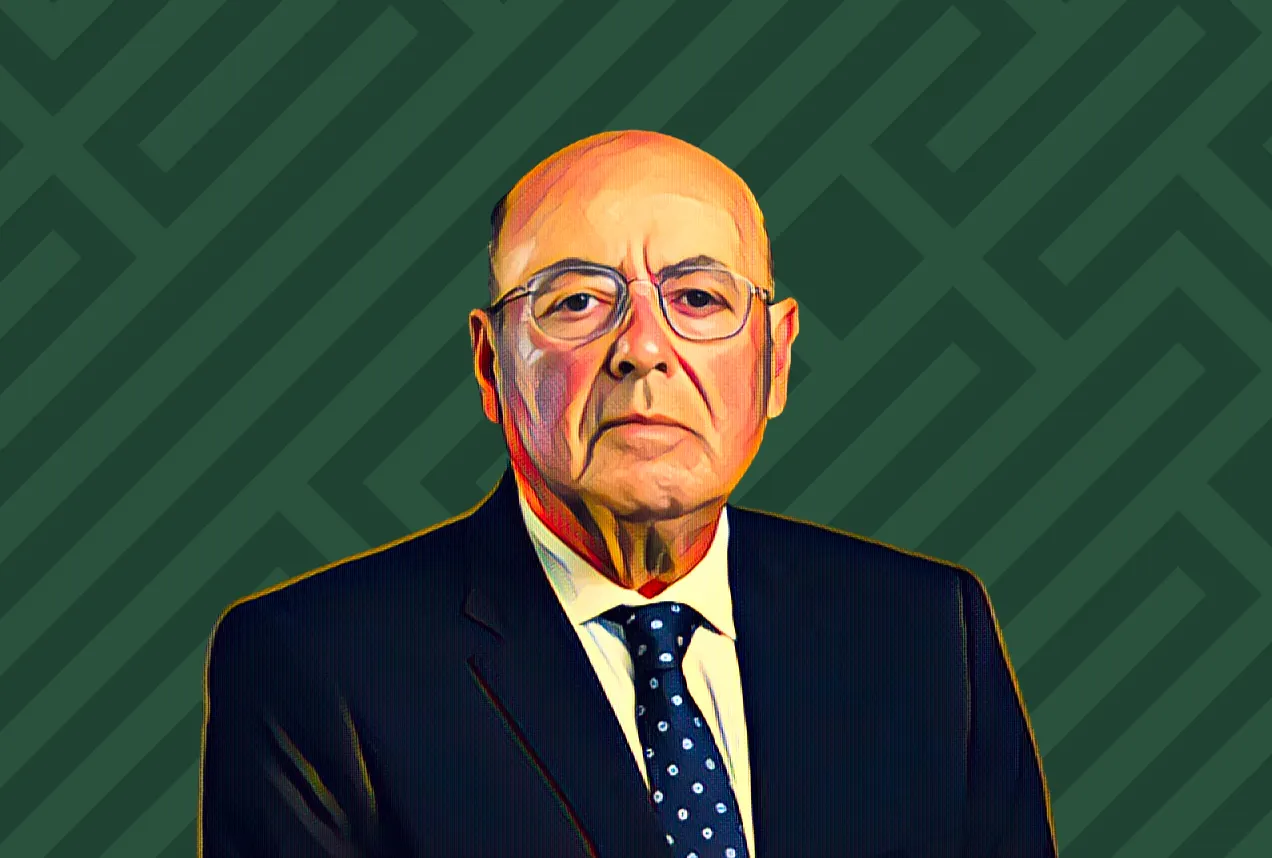
Ahmed Kabbaj died on Jan. 4, 2019, aged 76, after a heart attack. He had run the company as chairman and chief executive for forty-eight years and was buried at the Chouhada cemetery in Casablanca the same day.
Five months later SGTM announced a cement plant at El Jadida, its first move toward owning the materials it had spent decades buying. The group now runs sister companies covering cement, concrete and other inputs.
Control passed to the second generation alongside M'hammed, who stayed on as chairman. Hamza Kabbaj, Ahmed's son, became chief executive. He is 45, holds a civil engineering degree from University College London and an MBA from the École nationale des ponts et chaussées, and joined the company in 2002 at the age of 21. He led the flotation.
Workforce numbers track the growth. SGTM employed about 9,000 people when Ahmed died. It employed more than 21,000 at the end of 2024, running a fleet of 2,500 machines with operations in six other African countries including Senegal, Ivory Coast and Burkina Faso. It has completed more than 1,000 projects. Its closest domestic rival is TGCC, founded by Mohamed Bouzoubaâ.
The listing and the pact
SGTM sold 20% of its capital at 420 dirhams a share in an offer that raised roughly 4.8 billion dirhams and valued the company at 25.2 billion. Demand reached 171.1 billion dirhams from more than 171,000 investors, oversubscribing the book 34 times. It was the largest listing by a private company in the history of the Casablanca exchange and the second largest of any kind after Maroc Telecom in 2004.
Kabbaj held 28,200,000 shares, or 47%, before the offering. He sold 6,000,000 into it, half the 12 million shares the family put on the market, and kept 22,200,000.
The shares first traded on Dec. 16 and have risen about 70% since. His holding was worth just over $1 billion at the offer price. The move to 715 dirhams has added around $709 million to it, none of which he can realise for now. Under a shareholders' pact signed on Nov. 14 and effective from the first day of trading, both family branches accepted a three-year lock-up running to December 2028, subject to a narrow set of permitted transfers between relatives and family holding vehicles.
That pact splits the company down the middle. Kabbaj's side, Branche MK, holds 40%: his 37% plus 1% each for Jihane, Mohamed Ali and Brahim Kabbaj. The late Ahmed's side, Branche AK, holds the other 40%, most of it through a vehicle called AKMH Invest with 21,149,985 shares, or 35.25%. Both branches have undertaken not to buy stock on the market in any way that would tilt the balance between them.
The nine-member board takes three directors from each branch and three independents chosen jointly. Reserved decisions covering strategy, budget, major financings and the appointment of the chief executive require majorities on both sides. Kabbaj keeps the chairmanship, which the pact grants him in his capacity as founder for as long as he wants it.
What the figure does not capture
Consolidated revenue reached 11.1 billion dirhams in 2024, and management projected 14.3 billion for 2025, rising toward 17.8 billion by 2028. Consolidated net profit was 590 million dirhams in 2024 on a reported basis, with the business plan filed with the regulator forecasting 1.1 billion for 2025. The order book stood at 16.6 billion dirhams at the end of 2024, with a further 20.5 billion in new orders booked by the end of May 2025. At 715 dirhams SGTM carries a market value of 42.9 billion dirhams, or $4.64 billion.
The $1.72 billion is the value of one listed holding rather than a full accounting of what Kabbaj owns. It excludes any other assets, and the prospectus identifies sister companies outside the listed group, among them Novacim, Novacimbeton, Caritek, Infrapower Ometec, Infrawood and SAVM, whose ownership the listing documents do not disclose. It makes no deduction for personal borrowing, which is not public.
What the figure establishes is a floor. A 37% holding in a company whose shares trade daily on a public exchange is among the more verifiable forms of wealth on the continent, set out in a document a regulator has reviewed and a chairman has personally attested to. On that basis Morocco has a billionaire the global rankings have yet to record.
The intelligence satisfies curiosity. The paid briefings satisfy strategy.
Every Monday, Elite subscribers receive an Investor Memo breaking down the deal, the structure and the positioning behind the week's most consequential African wealth story - the kind of analysis that doesn't appear anywhere else.
Twice a month, a Wealth Intelligence brief profiles a single billionaire's holdings, cash flows and expansion pipeline in detail no public source matches.
→ Executive ($25/mo): Daily newsletter + Deep-Dive Reports
→ Elite ($75/mo): Everything above + Investor Memos + Wealth Intelligence + Quarterly Analyst Briefings
Subscribe now