

Table of Contents
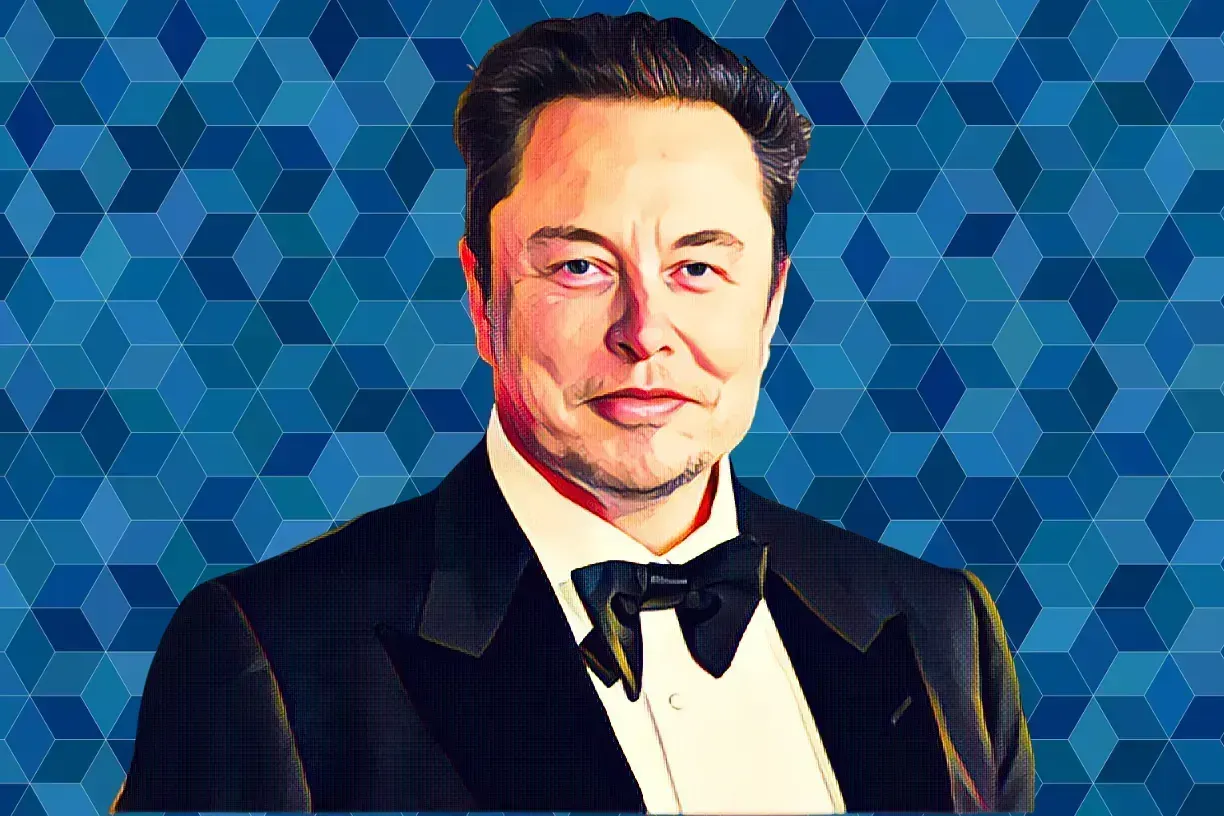
Elon Musk has made a fresh public push for Starlink in India, saying the SpaceX satellite internet service could help close the country's persistent rural connectivity gap as the company files a new application for regulatory approval of its next-generation satellite constellation.
"Starlink would help the least served in India, especially in rural areas," Musk wrote on X on Aug. 21, responding to a post highlighting villages without 4G access and the widening urban-rural internet divide across the world's most populous country.
The comment came a day after Reuters reported that Starlink had reapplied to India's space regulator for approval to deploy its Gen 2 constellation, which includes direct-to-device connectivity capability. The application reportedly covers nearly 30,000 satellites. Reuters said it could not independently verify the Economic Times report on which that figure was based.
The scale of the opportunity Musk is targeting is significant. The Telecom Regulatory Authority of India reported that India had 1.093 billion internet subscriptions at the end of March, including 440.87 million in rural areas and 651.93 million in urban areas. Rural internet subscription density stood at 48.31 per 100 people, compared with 126.80 in urban India, a gap that conventional tower and fiber infrastructure has struggled to close in remote and terrain-challenged areas.
Starlink's path to the Indian market has been long and heavily regulated. The company received its telecom license in June 2025 and later secured approval from IN-SPACe, India's national space regulator, for its Gen 1 constellation. It has also signed distribution agreements with two of India's largest telecoms, Bharti Airtel and Reliance Jio, to extend its service to remote areas through established retail networks.
The Gen 2 application represents an escalation of that ambition. Direct-to-device technology, if approved, would allow compatible smartphones to connect directly to Starlink satellites without a dedicated terminal, dramatically lowering the barrier to access in areas where even electricity supply is unreliable.
India has simultaneously invested heavily in rural broadband through its BharatNet program, which the government said had made 221,000 Gram Panchayats service-ready by June and laid more than 850,000 route-kilometers of optical fiber. However, a July parliamentary response revealed that BharatNet Points of Presence were operational at only 80,472 Gram Panchayats, a significant shortfall that points to the last-mile delivery gap Starlink is positioning itself to fill.
The government's Digital Bharat Nidhi fund also supports 4G expansion in remote locations where terrain makes conventional deployment challenging, but coverage remains patchy across large parts of northeastern India, the Himalayas and rural Rajasthan.
Starlink's India ambitions have repeatedly run into regulatory friction over security requirements and local infrastructure obligations. The company previously said it remained in "active and productive discussions" with the government as it worked toward commercial service. The Gen 2 application suggests those discussions have progressed to a point where Musk's team is ready to seek a broader mandate.
Low-Earth-orbit satellites carry a structural advantage over terrestrial networks in hard-to-reach areas. Their ability to provide coverage regardless of ground-level infrastructure makes them particularly well-suited to India's geography, where mountains, forests and scattered settlements have made conventional rollout slow and expensive. If regulatory approval follows and direct-to-device technology reaches the market, it could represent the most significant expansion of internet access in rural India since the 4G rollout of the mid-2010s.
The intelligence satisfies curiosity. The paid briefings satisfy strategy.
Every Monday, Elite subscribers receive an Investor Memo breaking down the deal, the structure and the positioning behind the week's most consequential African wealth story — the kind of analysis that doesn't appear anywhere else.
Twice a month, a Wealth Intelligence brief profiles a single billionaire's holdings, cash flows and expansion pipeline in detail no public source matches.
→ Executive ($25/mo): Daily newsletter + Deep-Dive Reports
→ Elite ($75/mo): Everything above + Investor Memos + Wealth Intelligence + Quarterly Analyst Briefings
Subscribe now