

Table of Contents
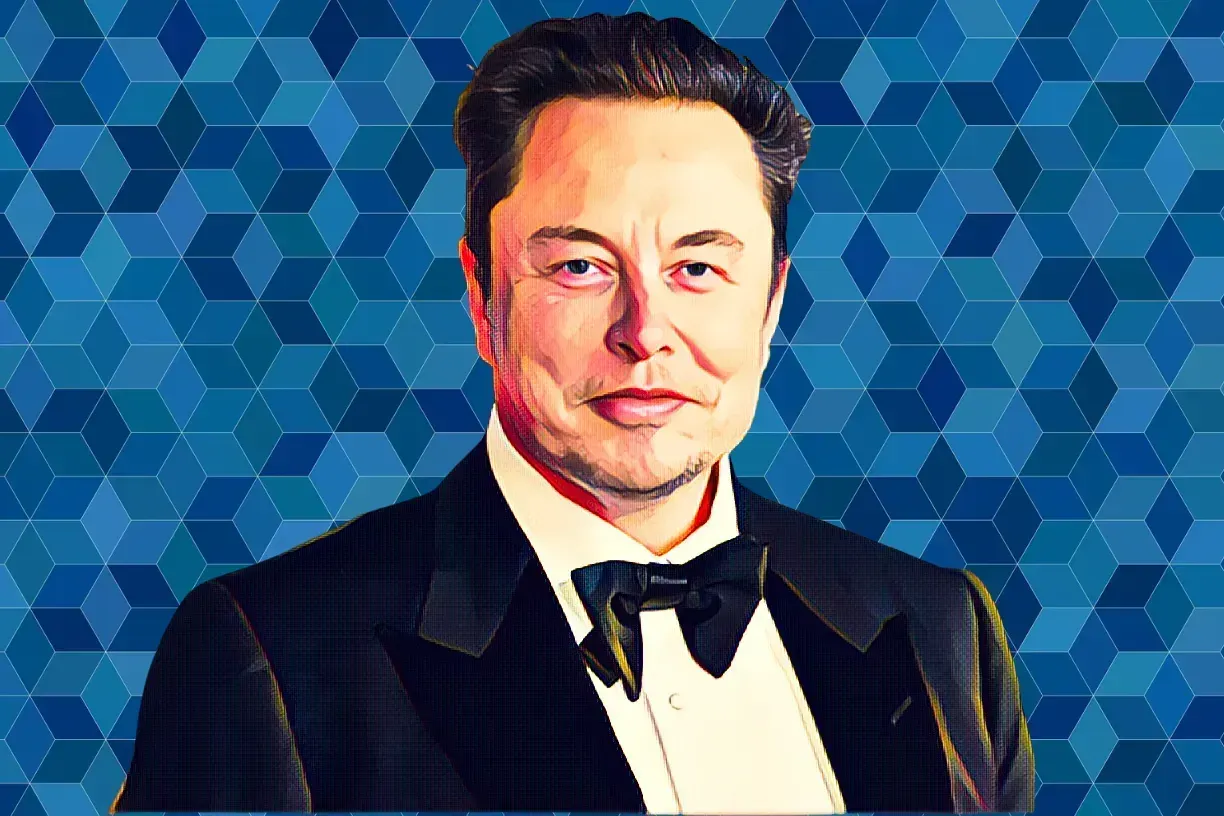
Volodymyr Zelenskyy awarded Elon Musk the Order of Freedom on Wednesday, one of Ukraine's highest state honours, at a moment when Kyiv is trying to persuade the South Africa-born billionaire to let its forces use Starlink over Russian territory.
The decree, published on the Ukrainian president's website, cited outstanding personal merits in protecting human life and freedom and in developing relations between the peoples of Ukraine and the United States. The honour is normally reserved for strategic partners. Musk made no immediate comment.
Starlink has been the communications backbone of Ukraine's war effort since Musk switched the service on over the country in February 2022, days after Russia's full-scale invasion, following an appeal from the then digital transformation minister Mykhailo Fedorov. Conventional networks had been damaged or destroyed. Tens of thousands of terminals have since been deployed, carrying traffic for civilians, government institutions and the military.
The system has become embedded in how Ukraine fights. Commanders and soldiers depend on it to communicate and coordinate, and it has been integrated into drone operations, letting operators hold links with aircraft and navigate them over longer distances. Ukrainian officials credit Starlink access as the main reason their medium-range drone campaign caught Russian forces off guard earlier this year and disrupted their logistics.
That dependence is also the reason for the award's timing. Starlink does not currently operate over Russian territory. Musk permits its use inside Ukraine, including in occupied regions, but has restricted it beyond the border. Zelenskyy wants that changed, arguing it would let Ukrainian forces keep satellite connectivity for longer-range strikes against Russian military and economic infrastructure, and reduce the capabilities Moscow is using to prolong the war.
Zelenskyy has said he was told Musk viewed such a move as a major escalation, but that Kyiv has begun receiving more encouraging feedback.
The relationship being honoured has been difficult for years. Musk refused a Ukrainian request to activate Starlink around Sevastopol for operations against Russia's Black Sea Fleet, saying he feared SpaceX would become complicit in a major act of war and escalation. He has repeatedly questioned continued Western support for Ukraine, argued that Kyiv should seek a negotiated settlement, and criticised Zelenskyy directly.
Russian forces also obtained Starlink terminals through illicit channels, despite SpaceX saying it does not sell the service in Russia or do business with the Russian government or military.
There is a domestic political layer as well. Fedorov, the minister who made the original appeal to Musk in 2022, has since been dismissed. Zelenskyy told reporters last week that information relating to Starlink contributed to some of the steps taken against him, without explicitly accusing him of providing false information.
What the decree acknowledges, in effect, is that a private company controls a capability that shapes what a sovereign state can do in its own defence. Ukraine's ability to strike deeper into Russia now rests less on what its own forces can build than on a decision Musk has so far declined to make.
The intelligence satisfies curiosity. The paid briefings satisfy strategy.
Every Monday, Elite subscribers receive an Investor Memo breaking down the deal, the structure and the positioning behind the week's most consequential African wealth story - the kind of analysis that doesn't appear anywhere else.
Twice a month, a Wealth Intelligence brief profiles a single billionaire's holdings, cash flows and expansion pipeline in detail no public source matches.
→ Executive ($25/mo): Daily newsletter + Deep-Dive Reports
→ Elite ($75/mo): Everything above + Investor Memos + Wealth Intelligence + Quarterly Analyst Briefings
Subscribe now