

Table of Contents
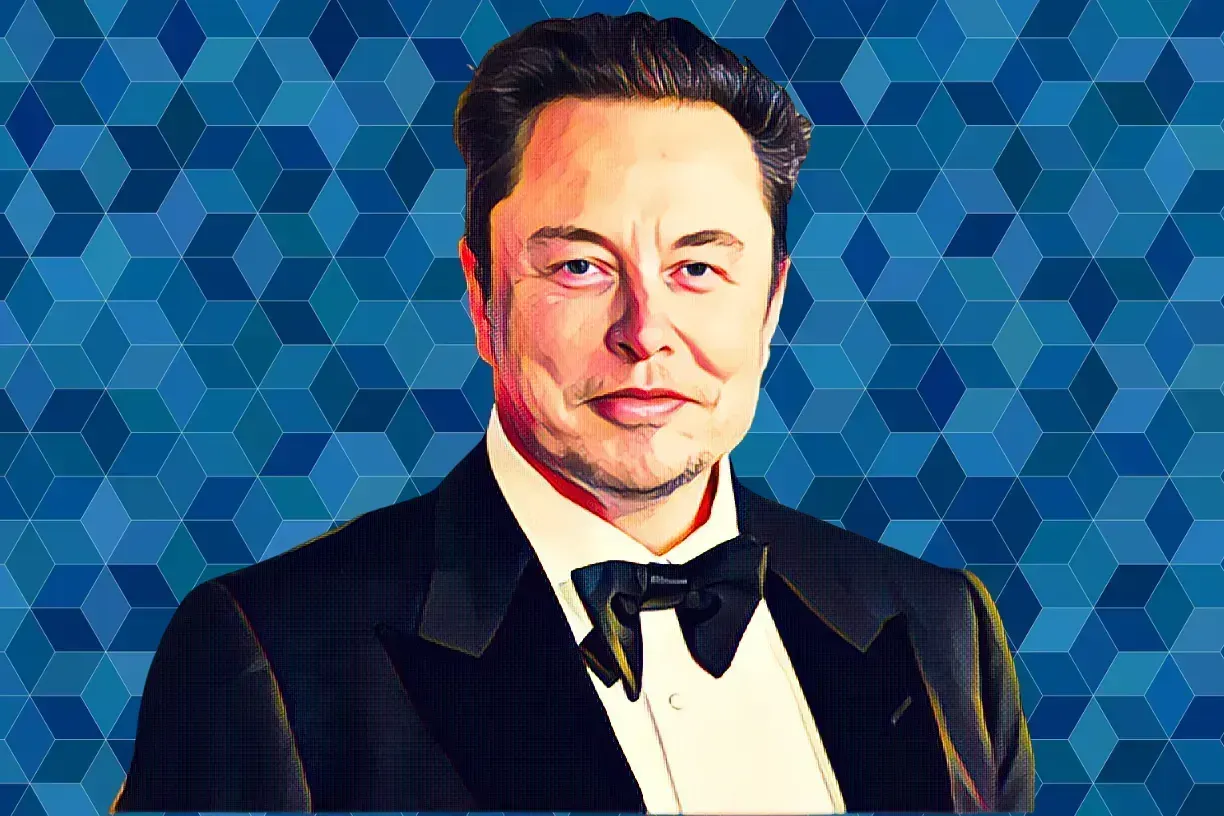
Elon Musk's SpaceX has announced plans to build its largest rocket launch facility in history on Pecan Island in Vermilion Parish, Louisiana, a $100 billion complex spanning 125,000 acres that the company says will eventually support thousands of Starship flights a year to Earth orbit, the moon, Mars and beyond.
Named Starbase Louisiana, the facility will become SpaceX's fourth US launch location and its second Starbase campus, joining its existing operations in Boca Chica, Texas, and two additional Starship launch pads currently under construction in Florida. Construction is scheduled to begin in 2027, with the first Starship launch from the new site targeted for 2029.
SpaceX said the project will create more than 3,000 direct jobs, but Musk set a higher ambition in a video address tied to the announcement. "We could eventually bring probably 10,000 really exciting jobs to Louisiana," he said. The Louisiana Economic Development agency estimated the average wage of workers at the base would be 192% above the region's current average salary, with an additional 8,100 indirect jobs created across the wider economy.
Louisiana Governor Jeff Landry welcomed the investment enthusiastically. "A day for the history books," he wrote on X. "With SpaceX's $100 billion investment in Louisiana, we are proving that Louisiana is open, open to new jobs, honest wages, and to those who dare to build something that lasts."
The complex will include launch pads, vehicle processing facilities, methane fuel production systems and power generation infrastructure. SpaceX is also considering building an airport at the site and developing deep-water shipping capabilities to transport Starships from its Texas headquarters to Louisiana by sea.
The path to the announcement was cleared in part by a legal settlement. Louisiana had been pursuing a lawsuit against ExxonMobil over allegations that the oil company's drilling and canal work contributed to coastal wetland loss in the area. The settlement cleared the way for SpaceX to develop the 18-mile coastal property.
Environmental considerations are built into the project from the start. Pecan Island is a protected habitat for dozens of migratory bird species, a fact that drew scrutiny when the plans became public. SpaceX president Gwynne Shotwell committed to funding environmental protection efforts, including a marsh creation program using dredged material and offshore sediment sources. "In working with the state, we're planning thousands of acres of marsh creation using beneficial-use placement of dredged material and offshore sediment sources," SpaceX said on its website.
The Louisiana facility is the latest and most expensive installment in a year of extraordinary capital commitment by Musk's companies. In August, SpaceX and Tesla announced the Terafab, a $16.8 billion AI chip manufacturing complex in Grimes County, Texas, with total planned investment potentially reaching $119 billion across multiple construction phases. The Louisiana site adds another $100 billion to a capital expenditure pipeline that has few precedents in corporate history.
Musk views Starship as central to SpaceX's commercial and exploratory ambitions. The rocket is the planned vehicle for NASA's Artemis mission to return astronauts to the moon, for the deployment of next-generation Starlink satellites and for the manned Mars missions Musk has said could begin as early as 2028. Starship completed its 13th test flight from Boca Chica on July 24.
The announcement arrives at a complicated moment for SpaceX as a public company. Its shares launched on the Nasdaq in June in the largest stock market debut in history, briefly pushing the company's valuation past $1 trillion. Since then, shares have fallen more than 30% from their post-IPO highs, though they remain above the $135 offer price. The company is under pressure from investors to demonstrate a credible path to profitability while simultaneously pursuing its most capital-intensive expansion phase yet.
Harvard University has also emerged as a significant SpaceX backer, making a $2.2 billion bet on the company, according to Fox Business reporting, adding institutional academic capital to a shareholder base that already includes Alphabet, Fidelity and BlackRock among its largest reported holders.
"The historic project will establish Louisiana as a global hub for next-generation aerospace, with the capacity and infrastructure needed to dramatically increase launch frequency and expand access to space," the Louisiana Economic Development agency said.
The intelligence satisfies curiosity. The paid briefings satisfy strategy.
Every Monday, Elite subscribers receive an Investor Memo breaking down the deal, the structure and the positioning behind the week's most consequential African wealth story — the kind of analysis that doesn't appear anywhere else.
Twice a month, a Wealth Intelligence brief profiles a single billionaire's holdings, cash flows and expansion pipeline in detail no public source matches.
→ Executive ($25/mo): Daily newsletter + Deep-Dive Reports
→ Elite ($75/mo): Everything above + Investor Memos + Wealth Intelligence + Quarterly Analyst Briefings
Subscribe now