

Table of Contents
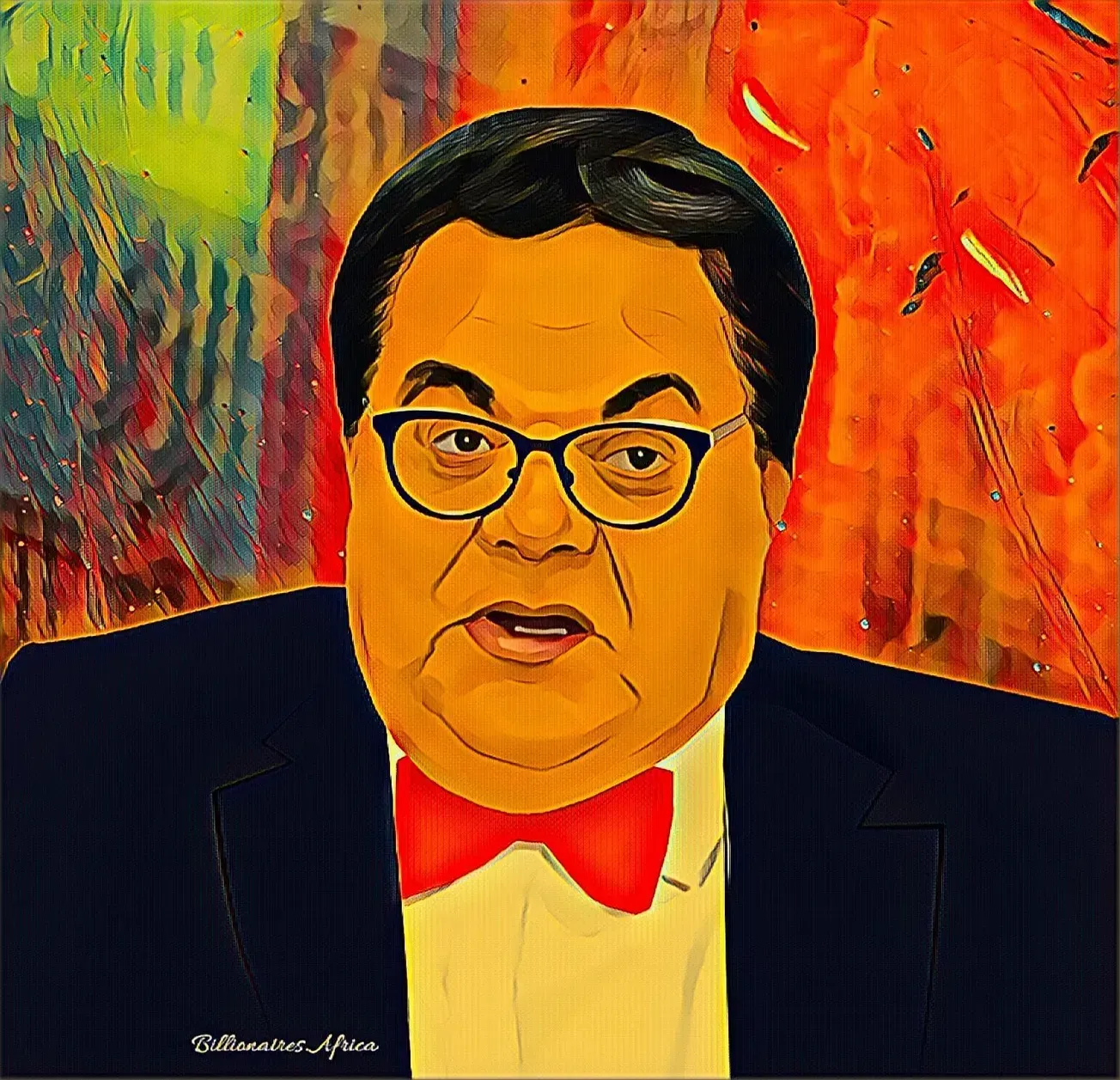
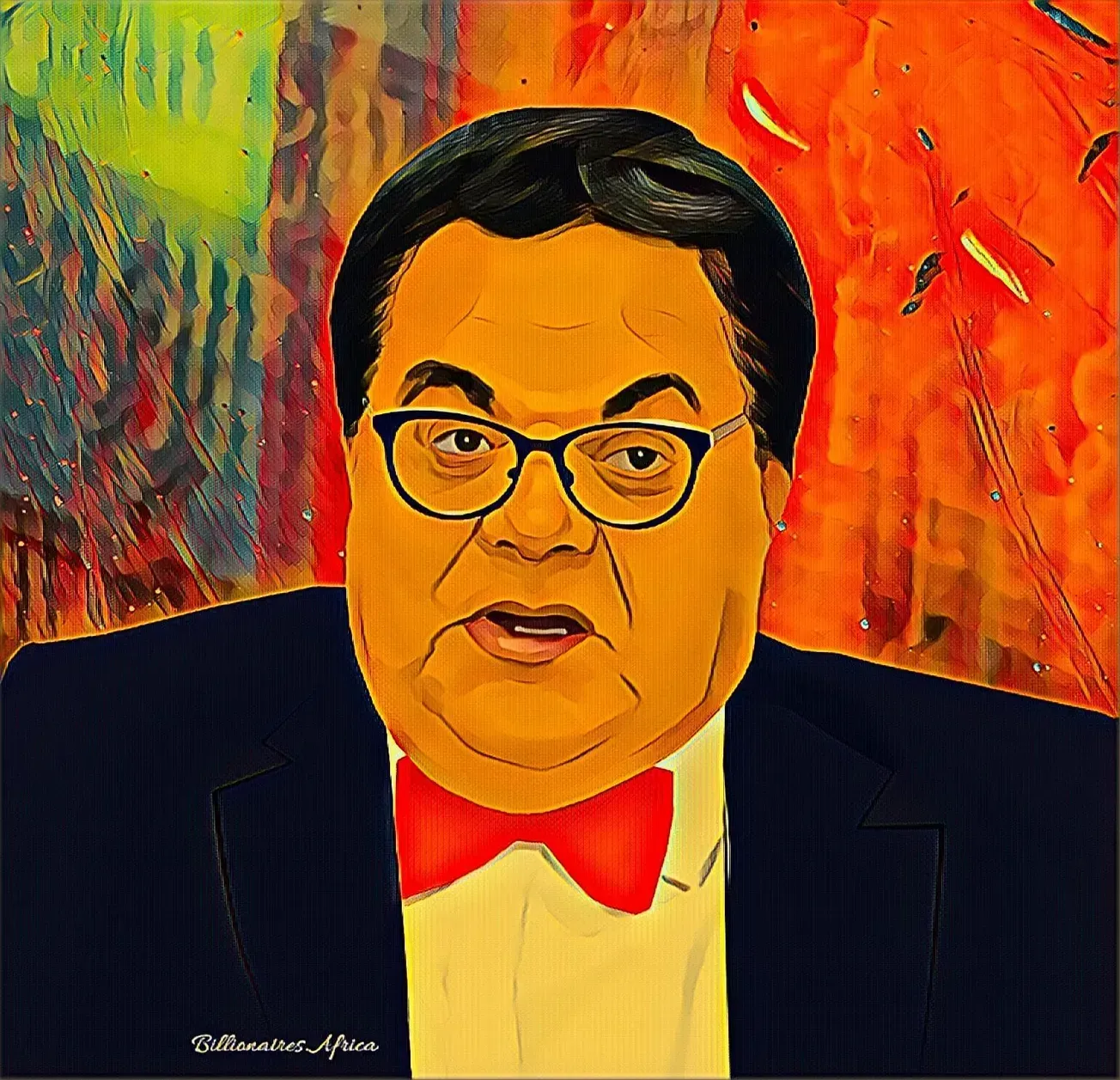
Carlos Manuel de São Vicente has told the Angolan presidency, the Supreme Court, the attorney general and a set of international human rights bodies that his cell in Viana prison is going to kill him.
In a petition titled "1st S.O.S." and signed on May 22, 2026, the Portuguese-Angolan businessman said he faces the loss of kidney function, sepsis and death without urgent urological surgery. An endoscopic procedure to break up a kidney stone on March 17 failed. He asked to be allowed to travel to Lisbon, where his family lives, for laser surgery scheduled for June 16. He also asked that his family's houses be returned to them.
His lawyers say he entered prison in September 2020 with three stable chronic conditions and that his health has deteriorated badly since, leaving him at heightened risk of serious infection. They attribute the decline to his cell, which they say has no drinking water.
He was convicted in March 2022 of embezzlement, money laundering and tax fraud, and sentenced to nine years and an order to compensate the Angolan state. The case is known in Angola as the $900 million case, and understanding that number requires understanding what prosecutors say he built.
São Vicente joined Sonangol, Angola's state oil company, in 1983 and became its director of risk management in 1999. That made him the official responsible for negotiating insurance terms with the international oil companies operating in Angola.
In April of the same year, he persuaded the Sonangol board to buy a Bermuda-registered company called Mirabilis Insurance Limited. Sonangol owned all of it. Four Sonangol executives were installed to run it, with Rosário Jacinto as chairman. Within a year São Vicente had taken the chairmanship himself and the Sonangol appointees were gone. He was the only Angolan left on its board. The company was renamed AAA Reinsurance Limited in 2003.
Presidential decrees in 1999 and 2001 restructured Angola's oil insurance market, removing the monopoly held by the state insurer ENSA and handing it to AAA Seguros, the group's Angolan arm. São Vicente had a monopoly on insuring the country's oil industry and, in his Sonangol role, a hand in setting the terms.
In 2002 he secured the first Lloyd's of London brokerage licence granted to an African-owned company, which gave AAA access to the global reinsurance market.
In 2003, Manuel Vicente, then chairman of Sonangol and later Angola's vice president, appointed São Vicente chairman of AAA Seguros. Prosecutors say the two men reached a verbal agreement that year to transfer ownership of the entire AAA group from Sonangol to São Vicente. The indictment describes the transfer as made free of charge and without the knowledge of Sonangol's other directors. Sonangol's holding fell from 100% to 10%. São Vicente's rose from nothing to 87.89%.
That is where the $900 million comes from. It is the net loss to Sonangol from giving away the company.
The prosecution says the trading structure was the second half of the scheme, and it ran across three jurisdictions. Oil operators paid their premiums into an AAA Seguros account at HSBC in London. AAA Seguros then ceded the risk to AAA Reinsurance in Bermuda, which São Vicente owned. The investigative outlet Maka Angola, working from company records, calculated that around 85% of the premiums collected in Angola were passed offshore as reinsurance, and that less than 20% of that reached the international insurers actually carrying the risk.
The indictment says the terms of the insurance contracts, the policies and the premiums were identical to the reinsurance premiums, meaning the risk left Angola at the same price it entered. Profit commissions earned on low claims, which should have gone to policyholders in Angola, were paid in Bermuda instead. Angolan co-insurers including ENSA were cut out of profits they would otherwise have shared.
Commissions paid to the AAA group between 2009 and 2015 came to $1,299,222,331, according to the indictment. Prosecutors put the tax losses to the Angolan treasury at more than $1.2 billion. Maka Angola estimates AAA Seguros moved more than $4 billion out of the country in the decade to 2016, when a presidential decree stripped the group of its oil insurance role, citing management that was not transparent.
São Vicente denies all of it and calls the conviction illegal, unfounded and politically motivated.
A United Nations body has agreed with part of that. Its Working Group on Arbitrary Detention issued Opinion 63/2023 finding his imprisonment illegal and arbitrary and calling for his immediate release. Angola has not acted on it. He argues that he became eligible for parole in June 2024, having served half his sentence, and again in September 2025 at two thirds.
Successive habeas corpus applications and release requests have been refused, and the Constitutional Court rejected an extraordinary appeal in July 2023.
Around $900 million of his money remains frozen a long way from Luanda. Swiss authorities blocked seven accounts belonging to São Vicente and family members in December 2018, citing transfers of close to that sum from AAA Seguros to personal accounts between 2012 and 2019. Investigators found it unusual that the chairman of a company could move sums that large to himself on his signature alone. Switzerland has not handed the money to Angola, holding that the illicit origin of the funds has not been established. Further millions are blocked in Singapore. Angola renewed its pressure on Bern this month.
São Vicente married Irene Neto, a daughter of António Agostinho Neto, Angola's first president. His family has described him as a scapegoat and a victim of political persecution.
The intelligence satisfies curiosity. The paid briefings satisfy strategy.
Every Monday, Elite subscribers receive an Investor Memo breaking down the deal, the structure and the positioning behind the week's most consequential African wealth story — the kind of analysis that doesn't appear anywhere else.
Twice a month, a Wealth Intelligence brief profiles a single billionaire's holdings, cash flows and expansion pipeline in detail no public source matches.
→ Executive ($25/mo): Daily newsletter + Deep-Dive Reports
→ Elite ($75/mo): Everything above + Investor Memos + Wealth Intelligence + Quarterly Analyst Briefings
Subscribe now