

Table of Contents
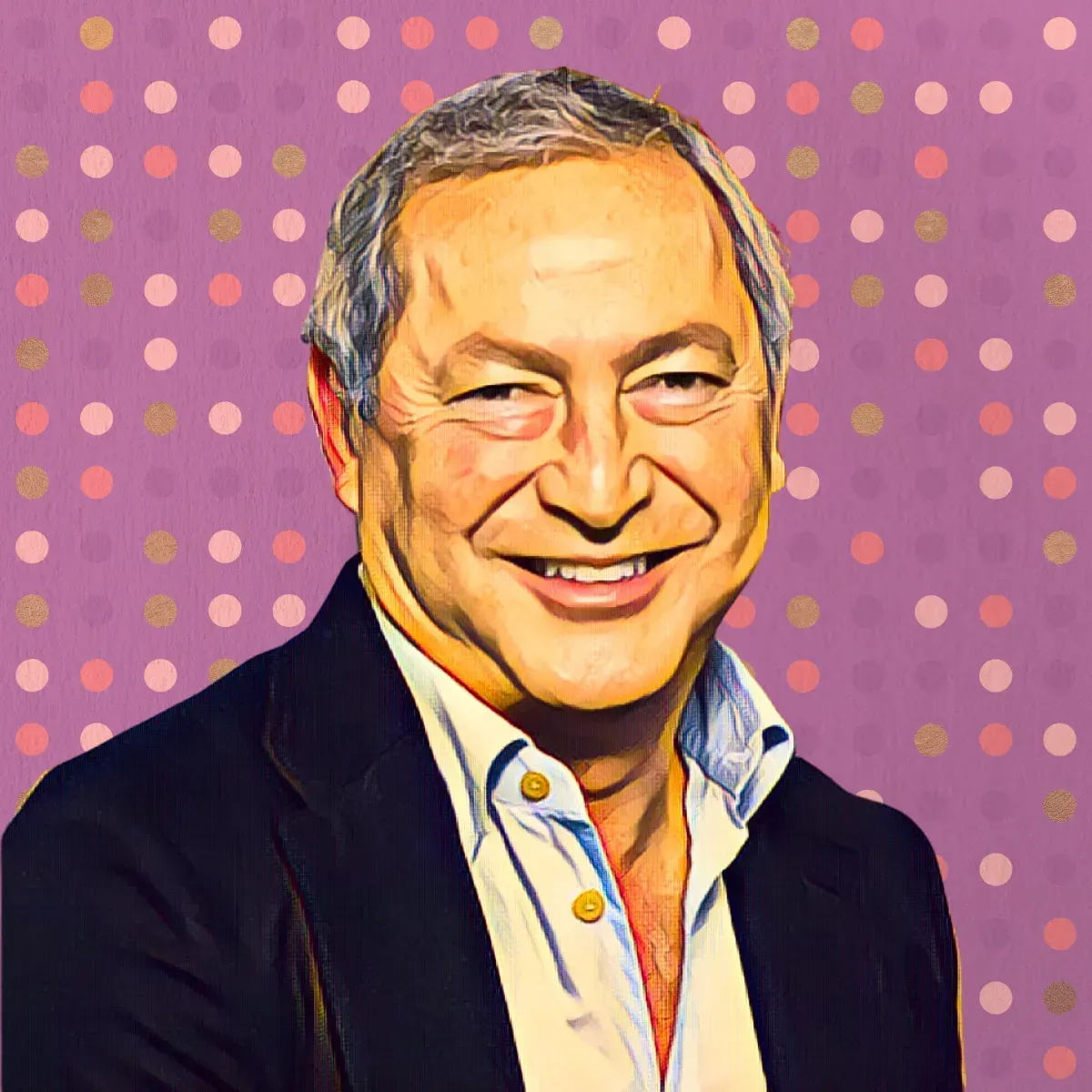
Samih Sawiris has told Moroccan media what he intends to do with a resort that has sat unfinished on the Atlantic coast for two decades. At Mogador, he said, he wants to recreate the success of El Gouna.
The Egyptian billionaire is committing €200 million over five years in a first phase covering roughly 800 rooms across three hotels and a club, on a site of about 2.5 million square metres near Essaouira. A second phase would require a further €100 million to €150 million.
El Gouna is the reference point that makes the ambition legible. Sawiris built it from empty desert on Egypt's Red Sea coast into a functioning town of hotels, marinas, housing, schools and a hospital, and it became the template for a business he has since repeated in Oman, Montenegro, Switzerland and the United Arab Emirates. He does not buy hotels. He builds places and then sells the property inside them, which is why he takes on sites other developers abandon.
Mogador is one of those. The resort was launched in the early 2000s and never completed.
Sawiris does not own it alone. He took joint indirect control of the Société d'Aménagement d'Essaouira Mogador, the state-linked company responsible for developing the resort, alongside two Gulf partners, Al Nowais Investments and Eastern Investment. The consortium acquired 100% of the company's capital and voting rights through Orascom Investments LLC, a single-shareholder company registered in the United Arab Emirates specifically for the transaction.
Morocco's Competition Council published notice of the deal on Dec. 5, 2024 and gave interested parties until Dec. 19 to comment. The filing does not disclose how the three parties divide ownership between them, and none of them has published a split, so the size of Sawiris's personal share of the project is not public.
Eastern Investment belongs to Hossam El Shaer, a major shareholder in the Egyptian hotel group Sunrise Resorts and Cruises.
The commitment predates the acquisition. Sawiris signed a memorandum of understanding with Morocco's tourism ministry in February 2023, alongside other investors, covering 4 billion dirhams of investment to revive the resort. The total project has been valued at more than $400 million.
Essaouira is a walled port city roughly 170km west of Marrakech, known for its ramparts, its fishing harbour and the wind that made it a windsurfing destination. Its medina is a UNESCO World Heritage site. What it has never had is the hotel capacity to convert day visitors from Marrakech into overnight ones.
The task is considerably harder than buying a working hotel. Hala Matar Choufany, president for the Middle East, Africa and South Asia at the hotel consultancy HVS, said Mogador requires delivering infrastructure, creating hotel capacity, building demand and managing seasonality that could stretch out the time before it performs. She said a project of this kind should be judged over ten to fifteen years rather than on short-term returns.
Her comparison was with the other big Moroccan hotel deal of the year. Eagle Hills, the Abu Dhabi property group, bought the Four Seasons Resort Marrakech in June, a 16-hectare property that opened in 2011 with 141 rooms, suites and villas. That asset already generates revenue with predictable cash flows, and value there comes from optimising a working business rather than creating one.
Choufany was careful not to read the two deals as a pattern. Two transactions, she said, do not amount to a structural shift in the market. What interests her is the profile of the capital, since investors of this size are betting simultaneously on a proven asset and a far more demanding one.
Morocco co-hosts the 2030 World Cup with Spain and Portugal, and has been expanding airports and air links ahead of it. A representative of the National Association of Tourism Investors, which groups the country's leading tourism investors, attributed the current interest to that build-out and to growth in international arrivals.
Choufany treated the tournament more cautiously, arguing it should be a catalyst rather than the reason for an investment, since a project whose economics depend on it would be exposed once it ends. She also warned that too much capital crowding into ultra-luxury risks oversupply while substantial demand continues to sit in the mid-market.
Sawiris is one of three brothers who built the Orascom group their father Onsi founded. Nassef is the wealthiest person in Egypt and a shareholder in Aston Villa. Naguib built and sold Orascom Telecom. Samih took the property and resort side, and is the reference shareholder and ultimate beneficiary of Orascom Development, the Swiss-registered company through which much of that portfolio sits.
The second phase at Mogador has no published timetable.
The intelligence satisfies curiosity. The paid briefings satisfy strategy.
Every Monday, Elite subscribers receive an Investor Memo breaking down the deal, the structure and the positioning behind the week's most consequential African wealth story - the kind of analysis that doesn't appear anywhere else.
Twice a month, a Wealth Intelligence brief profiles a single billionaire's holdings, cash flows and expansion pipeline in detail no public source matches.
→ Executive ($25/mo): Daily newsletter + Deep-Dive Reports
→ Elite ($75/mo): Everything above + Investor Memos + Wealth Intelligence + Quarterly Analyst Briefings
Subscribe now